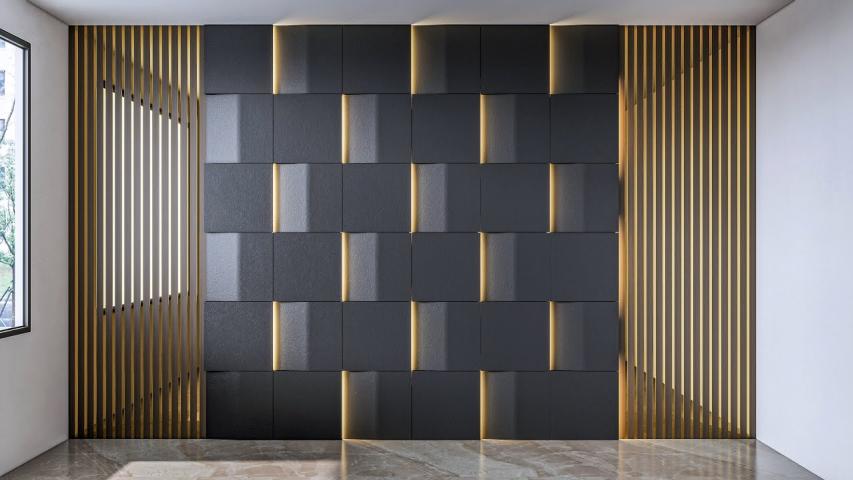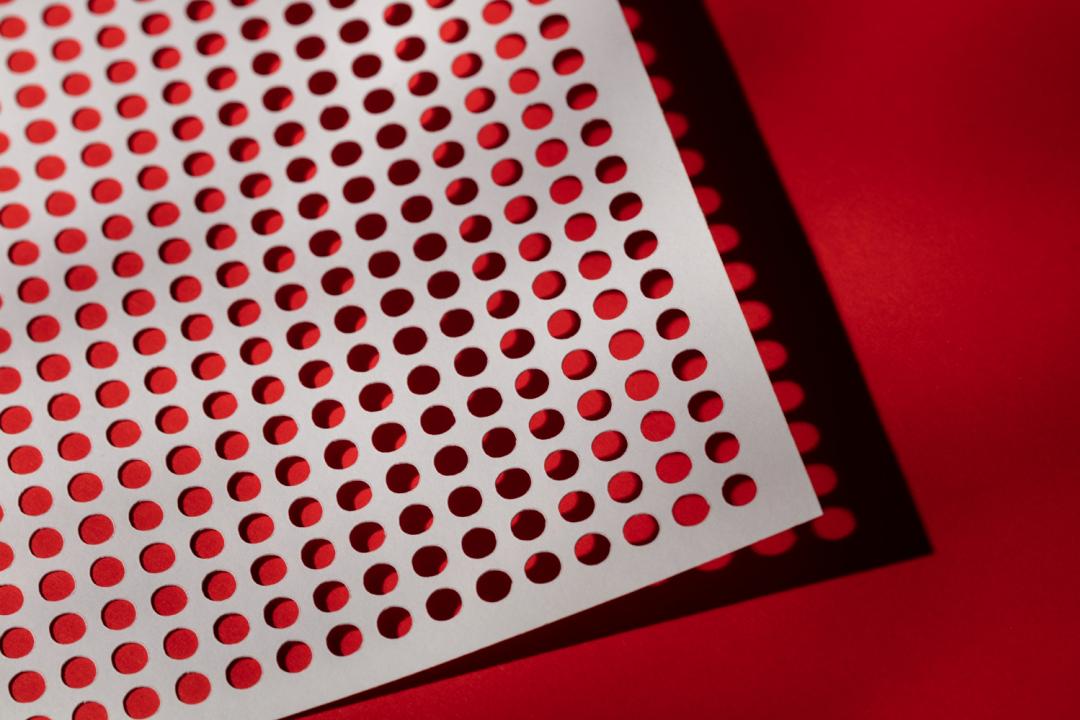

In the world of acoustics, there's a small acronym that holds immense value for architects, designers, and facility managers: NRC, or Noise Reduction Coefficient. While it may appear to be just a number on a specification sheet, its implications in real-world applications are far-reaching. Whether you're designing a peaceful library, a bustling corporate workspace, or a serene residential retreat, understanding NRC can make a substantial difference in acoustic comfort and performance.
Let’s dive into the details of what NRC is, how it works, and why it matters—especially in the context of today’s high-performance acoustic materials like PET Acoustic Panels, Acoustic Panels, Acoustic Wall Panels, and Acoustic Sheets.
What is NRC?
The Noise Reduction Coefficient (NRC) is a numerical value that represents how much sound a material can absorb. It's a standardized rating, ranging from 0 to 1, used to determine how effectively a material can reduce reverberation and echo within a space. A material with an NRC of 0 absorbs no sound (fully reflective), while a material with an NRC of 1 absorbs all sound (fully absorptive).
For example:
NRC 0.00 = 0% sound absorption
NRC 0.50 = 50% sound absorption
NRC 1.00 = 100% sound absorption
However, some materials may have NRC ratings slightly above 1.00 due to testing anomalies or unique surface geometries, especially when they trap and dissipate sound energy in multiple ways.
The Theory Behind NRC
When sound waves hit a surface, they can be absorbed, reflected, or transmitted. Acoustic materials are engineered to maximize the absorption part of that equation. During testing, various frequencies—typically between 250 Hz and 2000 Hz—are played in a reverberation room. The reduction in echo is then measured, and the average absorption across those frequencies gives us the NRC rating.
Materials with higher NRC values are ideal for environments where sound clarity is critical, such as conference rooms, auditoriums, classrooms, and open-plan offices. In these settings, using advanced Acoustic Panels and PET Acoustic Panels can help control sound levels and reduce distractions.
Common Misconceptions About NRC
Many believe that NRC is the only number you need to understand sound absorption. While it's a helpful metric, it doesn’t tell the whole story. For example:
NRC doesn't measure how sound behaves at very low or very high frequencies. So, a material might have a high NRC but still fail to control bass or treble echoes.
NRC measures only sound absorption, not sound transmission. To evaluate how well a wall or partition blocks sound from one space to another, STC (Sound Transmission Class) is used.
Despite its limitations, NRC remains a go-to figure for evaluating acoustic wall panels and acoustic sheets, especially when you're optimizing environments for voice clarity and speech privacy.
Materials with High NRC Values
Now that we understand what NRC is, let’s explore some common materials used to improve NRC performance in spaces:
1. PET Acoustic Panels
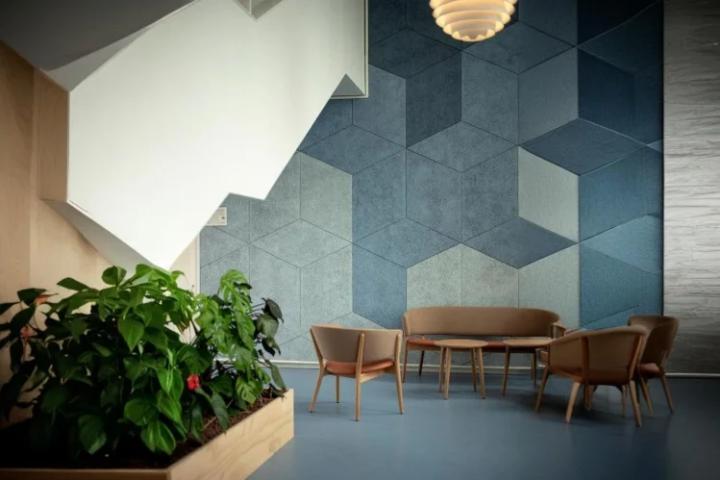
Made from recycled polyester fibers, PET Acoustic Panels are one of the most sustainable and effective solutions for sound absorption. Their felt-like texture and porous nature allow them to trap sound waves efficiently. With typical NRC values ranging between 0.75 and 0.95, they’re an excellent choice for wall cladding, desk dividers, and ceiling baffles.
2. Acoustic Panels
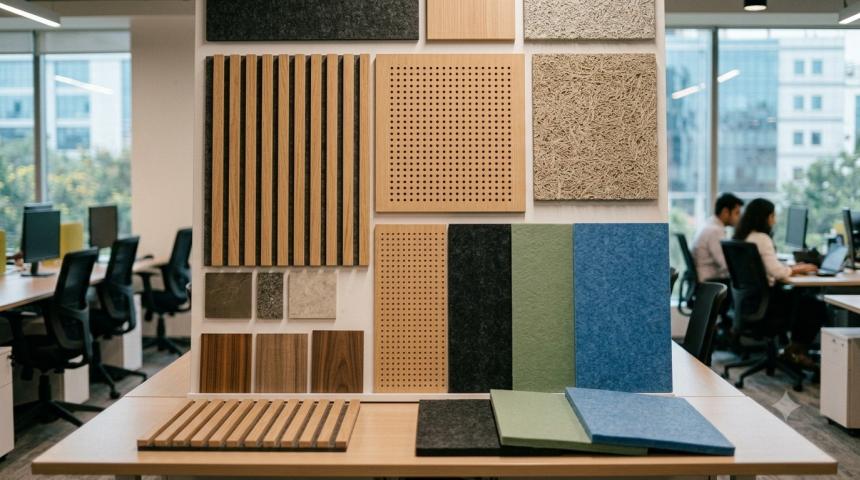
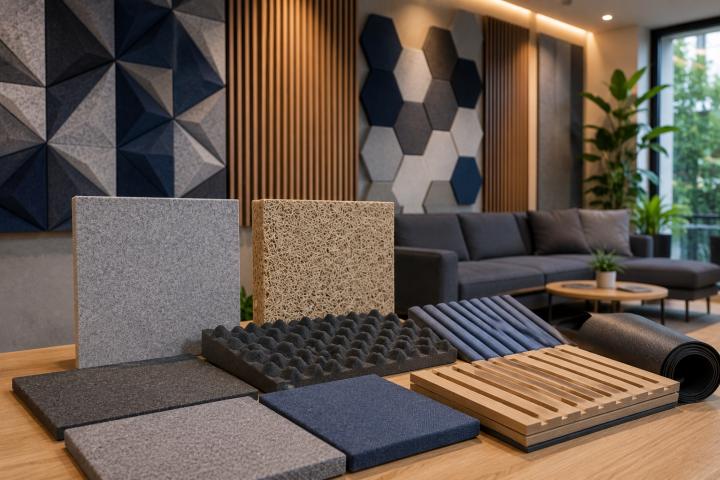
These versatile products come in various materials, including foam, fabric-wrapped boards, and mineral wool. Acoustic Panels can be customized in shape, size, and color, allowing for both functional and aesthetic integration into interiors. Their NRC rating typically falls between 0.70 and 1.00.
3. Acoustic Wall Panels
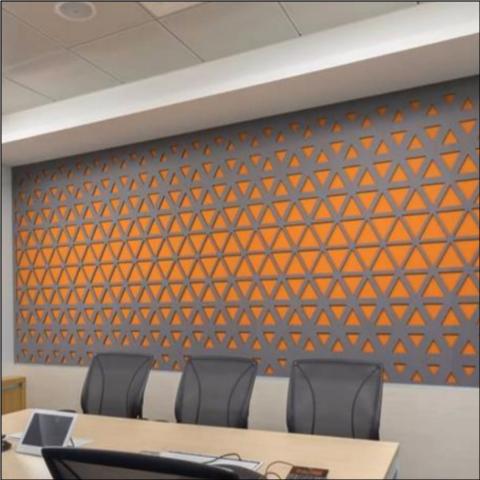
These are a subset of acoustic panels, specifically designed for vertical surfaces. Whether mounted directly or framed with air gaps for better absorption, Acoustic Wall Panels play a crucial role in enhancing sound clarity. They're especially beneficial in spaces where wall reflections need to be minimized.
4. Acoustic Sheets
Thin yet effective, Acoustic Sheets are flexible materials often used as underlays, in partitions, or behind wall panels. They serve as supplementary solutions where space or aesthetics demand minimalism. Despite their compactness, they can offer NRC values from 0.50 to 0.85, depending on composition and installation.
How to Choose the Acoustic Material Based on NRC
When selecting an acoustic material, consider the following:
Room Type: A classroom may benefit from acoustic wall panels, while a restaurant might require ceiling baffles made of PET acoustic panels for better coverage.
Purpose: Is your goal to reduce overall noise, improve speech clarity, or increase privacy? The answer affects what kind of acoustic panels you should choose.
Design Flexibility: Materials like acoustic sheets offer subtle integration, while decorative acoustic wall panels can be customized for visual impact.
Installation and Placement Matter Too
Even the most absorptive material won't perform well if not installed correctly. Placement plays a huge role. Installing acoustic materials at first reflection points, across ceilings, or as suspended elements increases surface area and maximizes absorption.
Also, mixing different types of materials—say, combining acoustic sheets behind decorative PET acoustic panels—can improve acoustic performance while preserving aesthetic goals.
Role of NRC in Sustainable Design
Sustainability is no longer optional in modern design. Fortunately, many high-NRC materials are now eco-friendly. PET acoustic panels, for instance, are often made from recycled plastic bottles, making them both effective and environmentally responsible.
Designers and architects are increasingly looking for acoustic solutions that contribute to green certifications like LEED or WELL. By opting for materials with high NRC and low environmental impact, projects can score points for both performance and sustainability.
Conclusion
The Noise Reduction Coefficient (NRC) is more than just a number—it's a key indicator of how well a space will sound. Whether you're battling echo in a conference room or creating a calm ambiance in a wellness center, understanding NRC empowers you to make better material choices.
Incorporating the right acoustic panels, especially sustainable and customizable options like PET acoustic panels, can transform the acoustic landscape of any space. From acoustic wall panels that blend seamlessly into interiors to acoustic sheets that work behind the scenes, each material plays a role in enhancing acoustic quality.