
The focus has shifted dramatically towards mindful material selection for sustainable architecture and responsible design. With increasing awareness about environmental impact and human well-being, designers, architects, and project owners are now striving to meet green building standards like LEED (Leadership in Energy and Environmental Design). One of the crucial but often overlooked elements in this process is acoustic wall panels.
Choosing the right acoustic wall panels can significantly enhance a building’s performance while contributing toward LEED certification. Beyond merely controlling sound, these panels play a crucial role in energy efficiency, occupant comfort, and sustainable sourcing. If you are planning a LEED-certified project, understanding the importance of acoustic treatment and picking the right acoustic panel solutions will be pivotal to your success.
Why Acoustic Performance Matters in Sustainable Design?
A truly sustainable building is not just energy-efficient — it supports the health and well-being of its occupants. One often underestimated aspect of occupant comfort is sound. Poor acoustics can lead to increased stress, reduced productivity, and lower satisfaction levels among users.
That’s where acoustic wall panels come into play. They help absorb excessive noise, reduce echo, and improve speech intelligibility. Integrating effective acoustic treatment within a project ensures that spaces such as conference rooms, classrooms, hospitals, and open offices offer a serene and productive environment.
From a LEED perspective, good acoustic design can contribute to credits under categories like Indoor Environmental Quality (IEQ). Specific areas where acoustic boards for walls can help include optimizing sound transmission class (STC) ratings, improving reverberation times, and minimizing background noise levels.
How to Choose Acoustic Wall Panels for LEED Projects
When selecting acoustic wall panels for a LEED-certified building, you need to think beyond aesthetics and sound performance. Sustainable sourcing, recycled content, low-emitting materials, and durability are all essential criteria. Here’s a closer look at key factors:
1. Material Composition and Sustainability
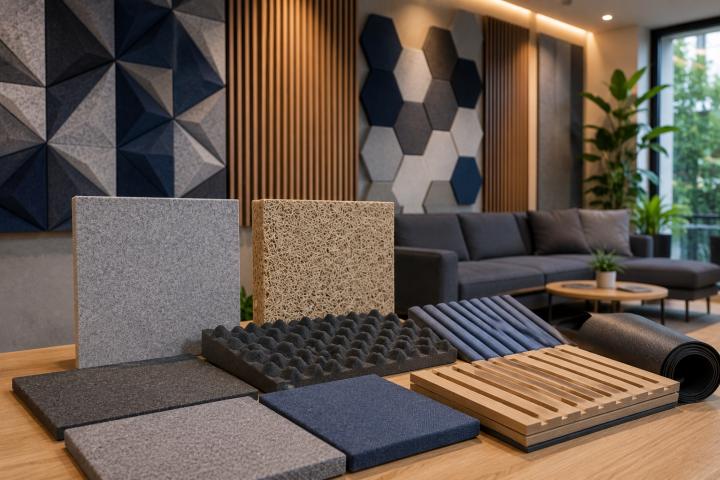
Look for acoustic boards for walls that are made from recycled or rapidly renewable materials. Panels crafted from PET (polyethylene terephthalate) felt, recycled fabrics, or natural fibers such as hemp or wool are excellent choices. Products that hold certifications like GREENGUARD, Cradle to Cradle, or FSC (Forest Stewardship Council) demonstrate a commitment to sustainability.
Choosing a low-VOC (Volatile Organic Compounds) acoustic board ensures improved indoor air quality — a critical component for earning LEED credits.
2. Acoustic Performance
Not all acoustic wall panels are created equal. For maximum effectiveness, check the Noise Reduction Coefficient (NRC) ratings of the acoustic treatment you are considering. A higher NRC value means better sound absorption, which leads to quieter, more comfortable spaces.
Applications like recording studios or auditoriums may demand panels with NRC ratings of 0.80 or above, whereas casual open-plan offices might need lower-rated panels.
3. Aesthetic Flexibility
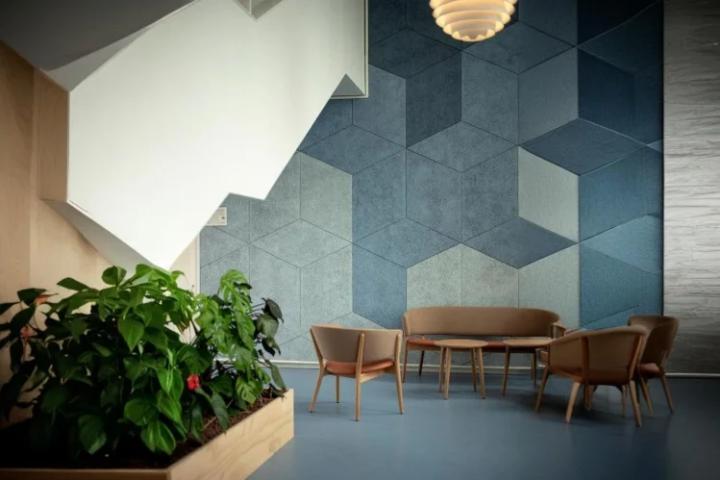
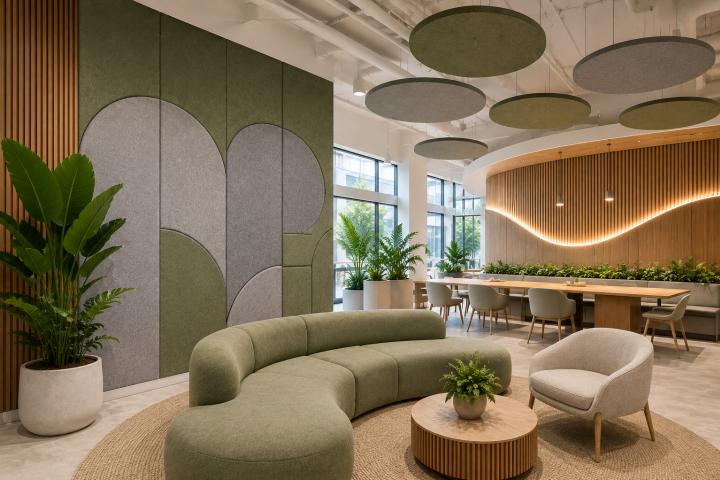
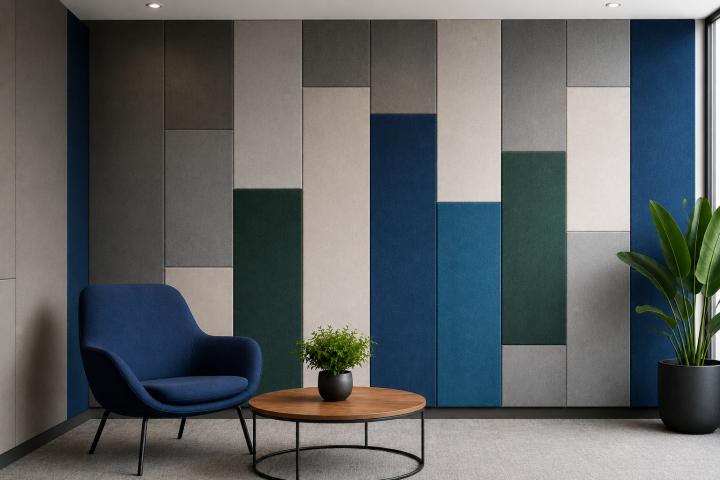
Today’s acoustic wall panels are no longer the drab, utilitarian fixtures of the past. They come in a myriad of colors, shapes, textures, and designs, allowing for creativity without compromising performance. This flexibility means that acoustic boards for walls can serve dual purposes — enhancing acoustics while elevating the visual experience of a space.
4. Durability and Maintenance
Durable, easy-to-maintain acoustic wall panels are essential for long-term sustainability. Panels that resist wear, fading, and moisture will retain their acoustic and visual properties over time, reducing the need for replacement and waste generation — another tick toward LEED goals.
Trending Sustainable Acoustic Panel Options
Several innovative acoustic panel options align beautifully with LEED objectives:
PET Acoustic Panels: Made from recycled plastic bottles, these panels combine sustainability with excellent sound absorption. They are lightweight, highly customizable, and available in stunning finishes.
Natural Fiber Panels: Options made from wool, cotton, or hemp fibers offer a biodegradable solution with strong acoustic properties.
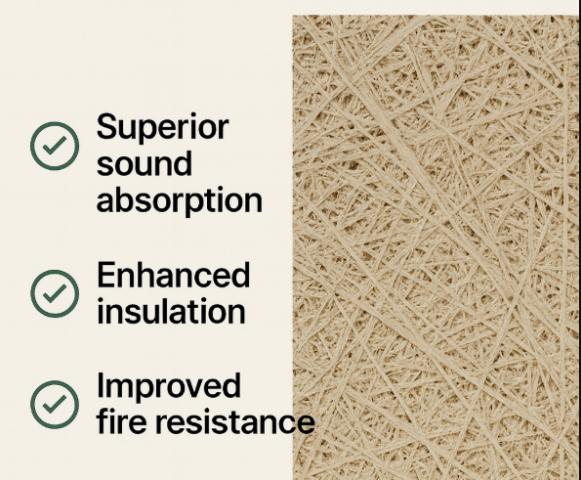
Wood Wool Boards: A blend of wood fiber and cement, wood wool acoustic boards for walls provide a natural aesthetic along with moisture resistance and fire safety.
Each of these solutions can be integrated seamlessly into modern designs, helping you achieve both performance and certification targets.
How Acoustic Solutions Support LEED Credits
Let’s break down how incorporating sustainable acoustic wall panels can help you score valuable LEED points:
Low Emitting Materials (IEQ Credit): Panels made from materials that limit VOC emissions contribute directly to this credit.
Acoustic Performance (IEQ Credit): Implementing effective acoustic treatment solutions ensures compliance with sound control prerequisites, especially in schools and healthcare facilities.
Material Ingredients and Sourcing (MR Credit): Choosing products with Environmental Product Declarations (EPDs) and Health Product Declarations (HPDs) can contribute to points under Material and Resources.
Innovation (IN Credit): Projects that demonstrate exceptional performance in acoustics or material sustainability beyond standard expectations can apply for innovation credits.
Thus, the right acoustic board selection strategy doesn’t just beautify and soundproof your space — it actively strengthens your entire LEED application.
Final Thoughts
When designing a sustainable, occupant-centered building, every material choice matters. Acoustic wall panels are a vital part of that equation, offering much more than just noise control. By choosing acoustic treatment solutions that prioritize recycled content, low emissions, and high durability, you not only enhance the comfort and functionality of your spaces but also drive your project closer to LEED certification.
Whether it’s an office, a school, or a healthcare facility, the right acoustic panel solutions will make a tangible difference. And with so many eco-friendly options available today, there’s no reason not to integrate acoustic boards for walls that support both your design vision and sustainability goals.