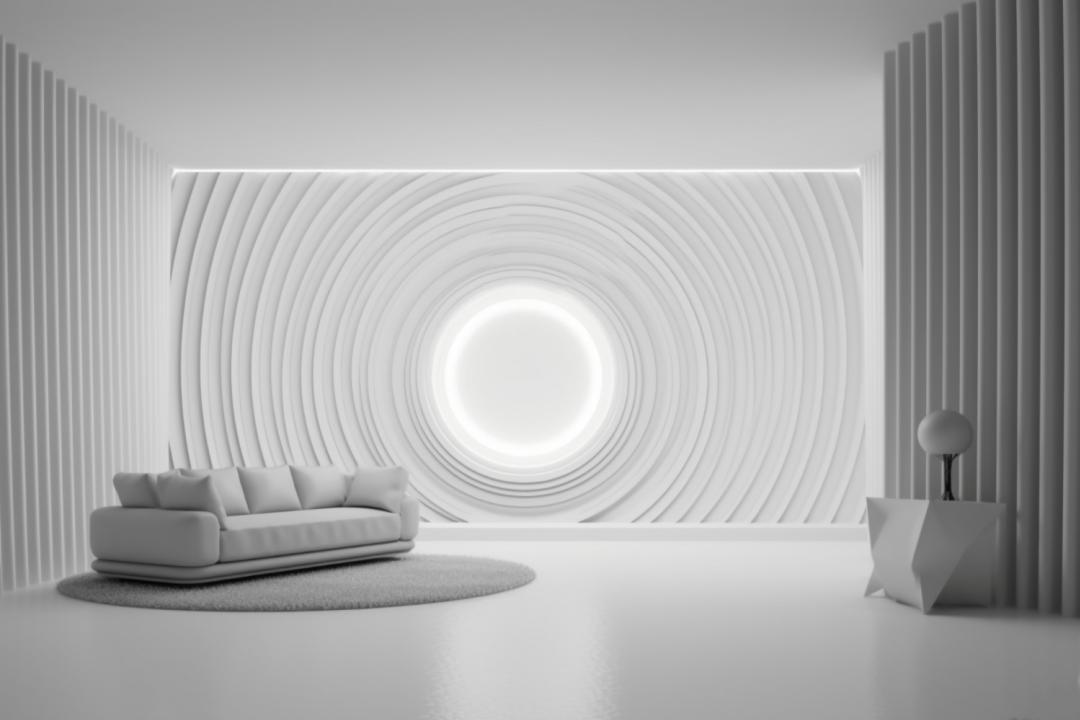

In the world of architecture and interior design, acoustic board panels have become synonymous with intelligent sound control and aesthetic functionality. From corporate offices and educational institutions to home theaters and hospitality spaces, these panels are becoming more than just a trend—they are a necessity. Yet, despite their growing popularity, a range of myths still surround acoustic board products, often leading to confusion, poor decisions, or missed opportunities in designing sound-sensitive environments.
Let’s dive into the most common misconceptions about acoustic wall panels, and separate the facts from fiction, helping you better understand how these materials can enhance both function and design.
Myth 1: Acoustic Board Panels Are Only for Recording Studios
This is perhaps the most widespread misunderstanding. While it’s true that acoustic board panels play a critical role in recording studios to eliminate echo and improve sound clarity, their application isn’t limited to these spaces.
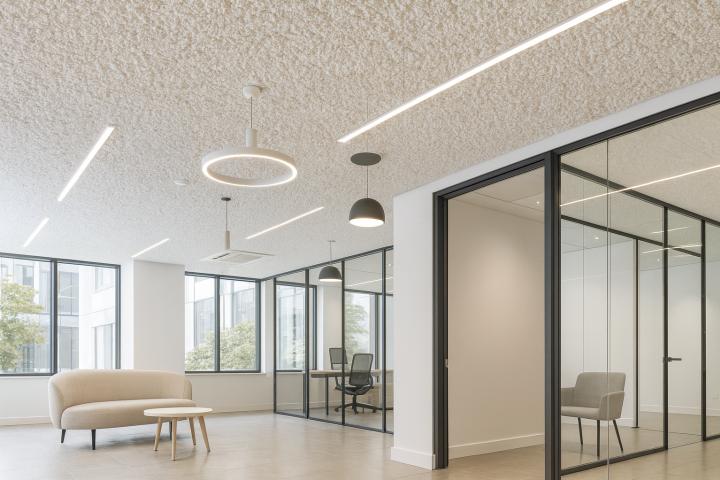
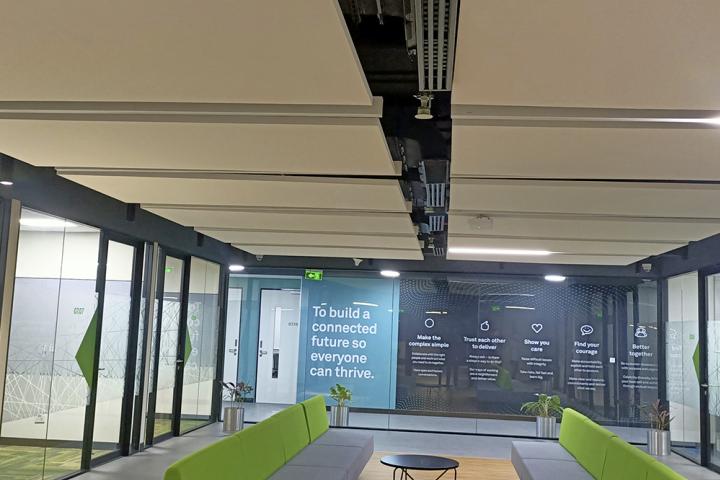
Modern environments—from open-plan offices and conference rooms to classrooms and cafes—are embracing acoustic boards for walls as a means to reduce noise pollution and boost acoustic comfort. In fact, anywhere people gather to work, learn, or socialize can benefit from reduced reverberation and improved speech intelligibility.
Myth 2: They Look Ugly and Industrial
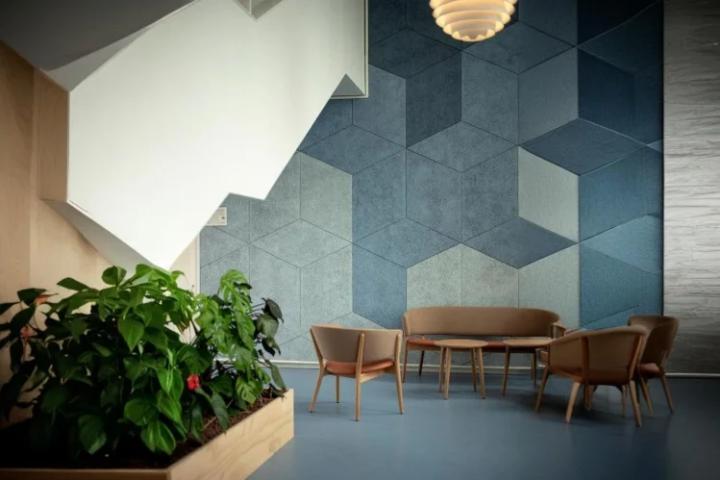
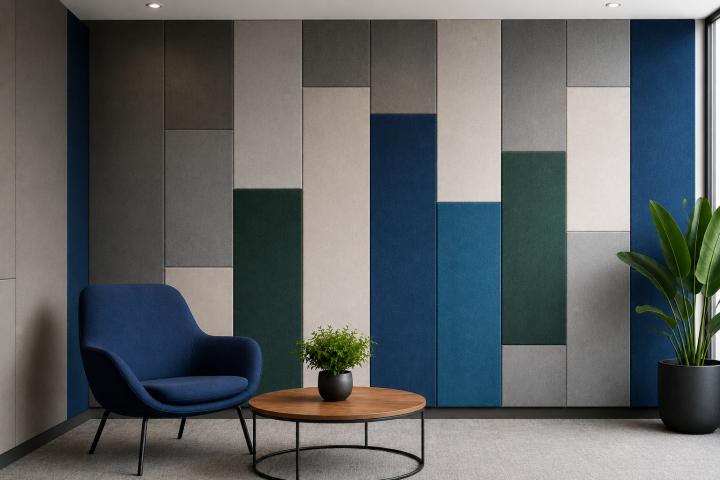
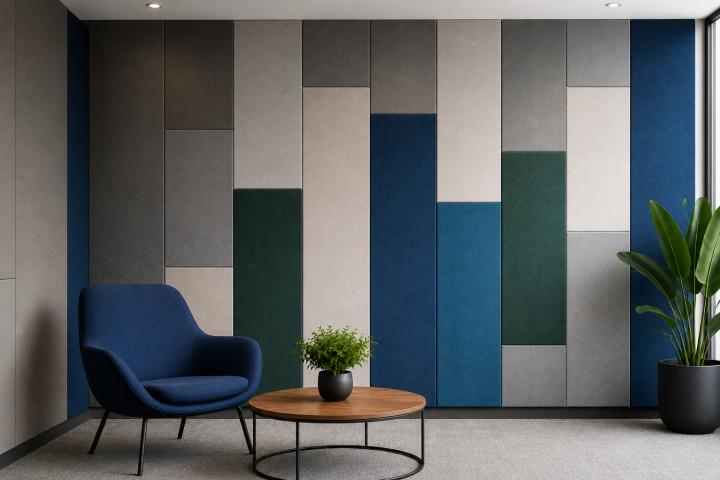
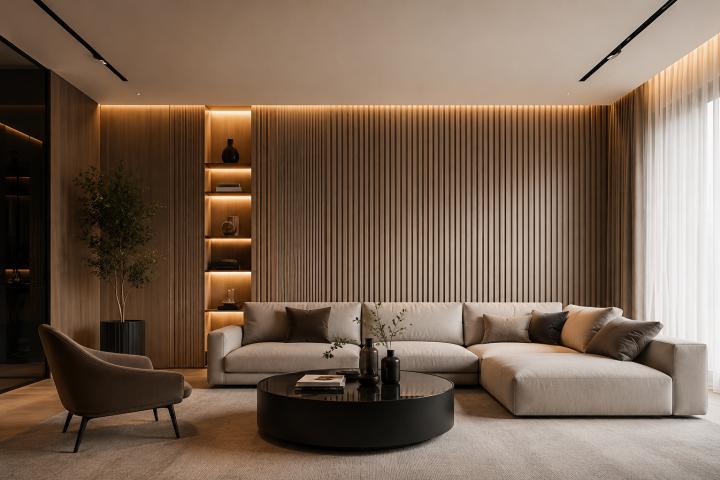
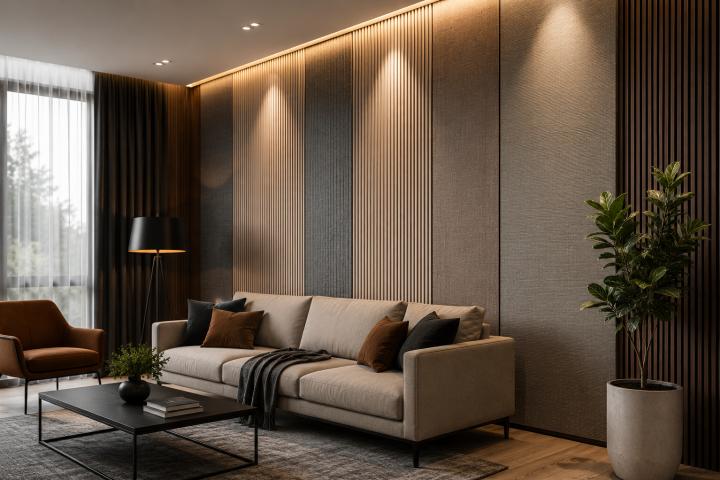
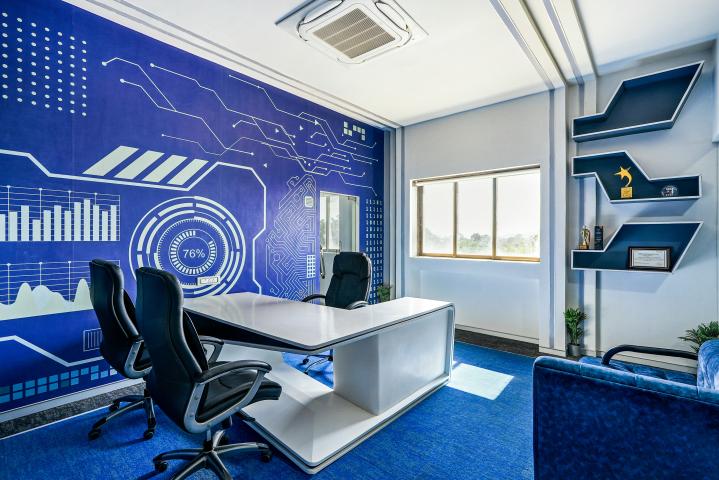
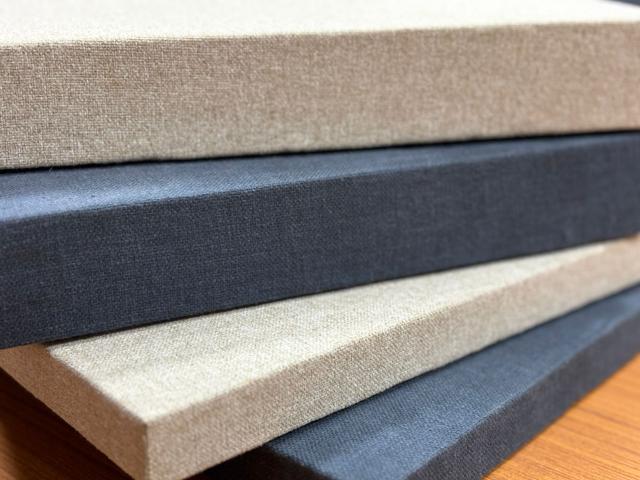
Long gone are the days when acoustic wall panels were unattractive slabs hidden behind curtains or in ceiling corners. Thanks to advances in design and manufacturing, today's acoustic board panels come in a wide range of colors, textures, patterns, and even customizable shapes.
These panels not only enhance acoustics but also double as stunning visual features. Some brands offer acoustic boards for walls that mimic wood, fabric, or even 3D wall art. In essence, they’ve become tools for both noise control and interior enhancement.
Myth 3: All Acoustic Panels Work the Same
Another common belief is that any acoustic board will deliver the same performance. This is far from true. Acoustic treatment products vary widely in terms of materials, thickness, density, and design—all of which affect how sound is absorbed, diffused, or blocked.
For instance, fiberglass-based acoustic board panels typically offer higher absorption coefficients than foam panels. Similarly, PET felt panels might be more sustainable and suitable for design-conscious projects. Choosing the right solution means understanding the specific acoustic challenges of your space and matching them with the appropriate product specifications.
Myth 4: They are Only Necessary in Loud Spaces
While noisy environments certainly need better acoustic control, quieter spaces also benefit from the inclusion of acoustic boards for walls. Imagine a high-end restaurant with poor sound absorption—the ambiance is ruined when guests can't have a conversation without shouting.
Similarly, even serene libraries or healthcare centers can be negatively affected by sound reflections or disturbances if not treated with suitable acoustic wall panels. The goal is not just to reduce loudness but to control how sound behaves in a room. That’s why acoustic board products are essential regardless of a space's initial noise level.
Myth 5: Installation Is Complicated and Expensive
There’s a belief that setting up acoustic board panels requires major renovations and deep pockets. In reality, these products are often modular, lightweight, and easy to install, either through adhesive application, mechanical fixing, or suspended systems.
Depending on the size of your space and your design vision, installing acoustic wall panels can be done quickly—sometimes in a matter of hours—without needing specialized labor. Plus, when you consider the long-term benefits in terms of comfort, productivity, and customer experience, the return on investment is more than justified.
Myth 6: Acoustic Panels Block Sound Completely
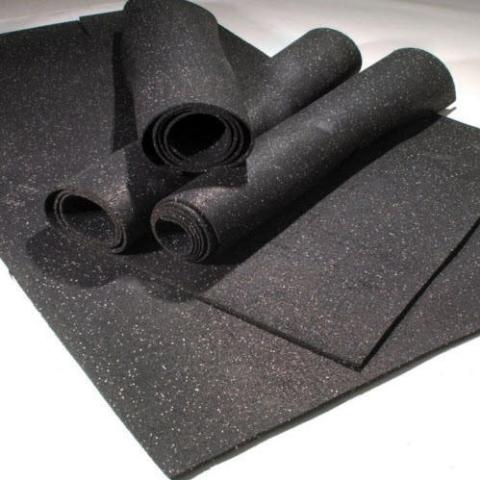
Another point of confusion lies in the difference between sound absorption and soundproofing. Acoustic board panels are primarily designed to absorb sound within a room, reducing echo, reverberation, and background noise. They do not block sound from entering or exiting a space—that’s a function of soundproofing materials like mass-loaded vinyl or drywall layers.
When you see acoustic boards for walls, know that their superpower is improving interior sound quality, not acting as barriers between rooms. For complete acoustic performance, professionals often combine both absorption and soundproofing strategies.
Myth 7: They're Not Sustainable or Eco-Friendly
With growing concerns about sustainability, many assume that acoustic wall panels are made of synthetic, harmful materials. However, the industry has evolved. Many manufacturers now offer acoustic board products made from recycled PET bottles, natural fibers, or environmentally certified components.
These panels not only contribute to LEED points and green building certifications but also promote healthier indoor air quality with low or zero VOC emissions. Today’s acoustic boards for walls can be as eco-conscious as they are acoustically effective.
Truth About Acoustic Board Panels
The growing demand for quieter, more productive spaces has thrust acoustic board panels into the spotlight. But to truly unlock their potential, it's essential to debunk the myths and look at them for what they really are—multi-functional, aesthetic, and performance-driven elements of modern architecture.
When integrated smartly, acoustic wall panels can:
Enhance focus and concentration in workspaces
Improve communication in classrooms and conference rooms
Add visual interest to otherwise plain interiors
Reduce customer complaints in hospitality settings
Support better health and well-being by controlling environmental noise
Whether you’re an architect, designer, facility manager, or homeowner, there’s a clear advantage to understanding and embracing the full capabilities of acoustic boards for walls.
Final Thoughts
As with any building material, knowledge is power. When myths cloud your judgment, it’s easy to miss out on the incredible benefits that acoustic board solutions can offer. The next time someone tells you that acoustic board panels are only for sound engineers or recording studios, you'll know better.