
In today’s spaces, where the hum of activity never really stops, managing sound has become just as critical as managing space, especially in high-traffic environments such as airports, malls, hospitals, educational institutions, and corporate offices. These are not just places that see a continuous flow of people—they are dynamic zones where functionality meets experience. And as such, managing noise effectively becomes a part of designing for both efficiency and comfort.
This is where the strategic use of Acoustic Materials steps in. These sound-absorbing solutions not only help in reducing unwanted noise but also play a significant role in enhancing the well-being, productivity, and satisfaction of those who frequent these busy spaces.
Acoustic Challenge in Busy Spaces
High-traffic environments come with an inherent problem: uncontrolled noise. Whether it’s the constant echo of footsteps, overlapping conversations, machine sounds, or even the occasional loud announcement, these noises can build up to create auditory chaos. Left unchecked, this can lead to discomfort, decreased concentration, communication difficulties, and even elevated stress levels among occupants.
The growing awareness around the importance of sound management has led to a surging demand for Acoustic Materials that are both functional and aesthetically pleasing. Design professionals are now more inclined than ever to incorporate Acoustic Panels, Acoustic Boards, and Acoustic Sheets into their architectural solutions—making acoustics a core component of spatial planning rather than an afterthought.
Understanding the Materials: What Works Best?
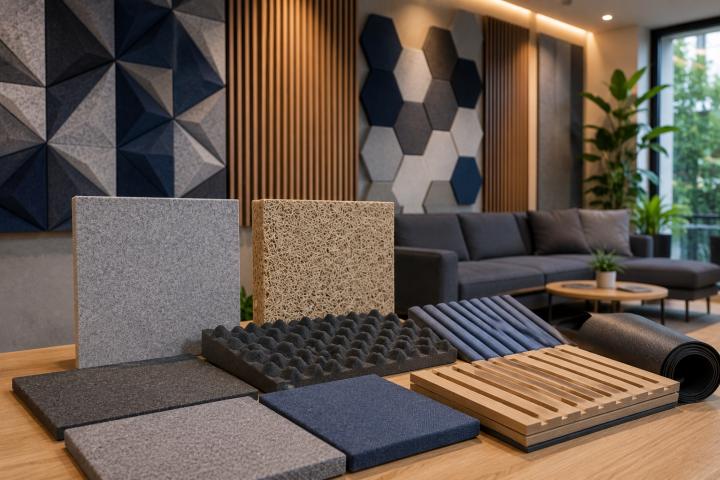
The growing variety of Acoustic Materials allows for tailor-made solutions for different environments. Each product serves a unique purpose based on the material's absorption coefficient, density, finish, and design application.
1. Acoustic Panels – The Stylish Sound Absorbers
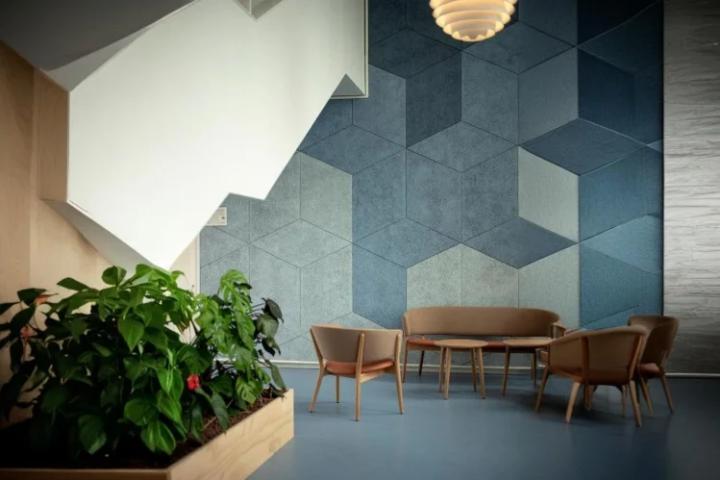
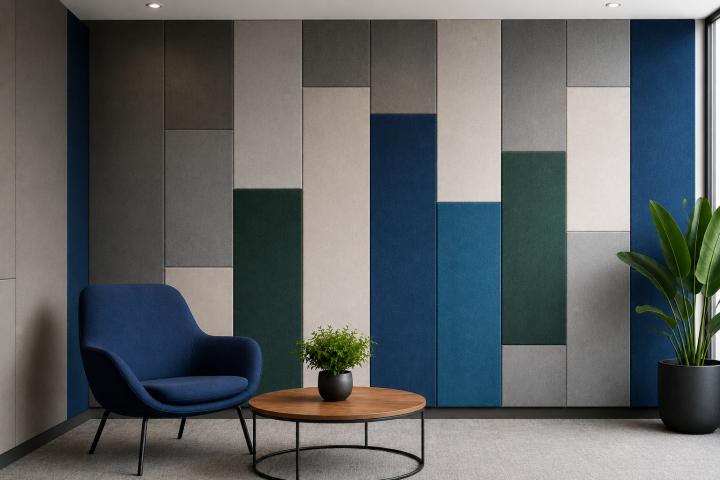
Acoustic Panels are versatile sound-absorbing products used on walls or ceilings to reduce reverberation and echo. In high-traffic areas like hotel lobbies, office corridors, or cafeterias, these panels not only add a modern design touch but also absorb sound waves to create a more comfortable environment. Available in various shapes, sizes, colors, and finishes, Acoustic Panels offer both function and flair, allowing designers to merge acoustics seamlessly into the visual identity of a space.
2. Acoustic Boards – The Backbone of Quiet Interiors
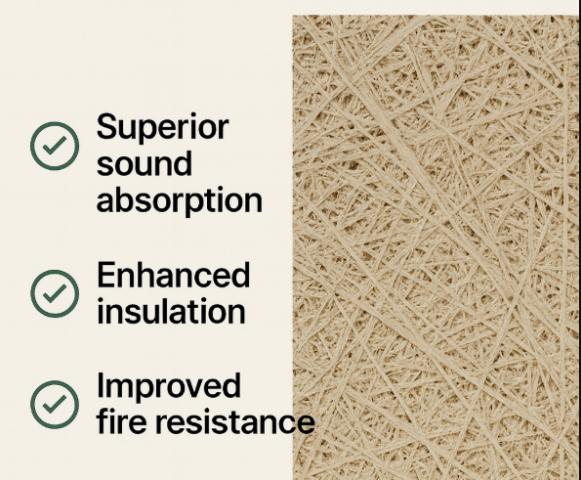
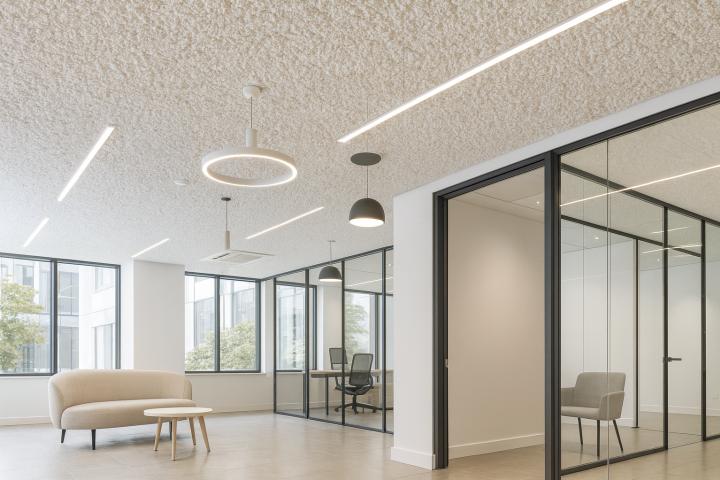
Often used in educational institutions, conference rooms, or healthcare spaces, Acoustic Boards are known for their structural stability and superior sound absorption. Typically made from materials like fiberglass, polyester, or wood wool, these boards help control sound without sacrificing the design aesthetic. Their rigid structure makes them suitable for both wall cladding and ceiling integration, providing a comprehensive Acoustic Treatment solution.
3. Acoustic Sheets – Flexible and Effective
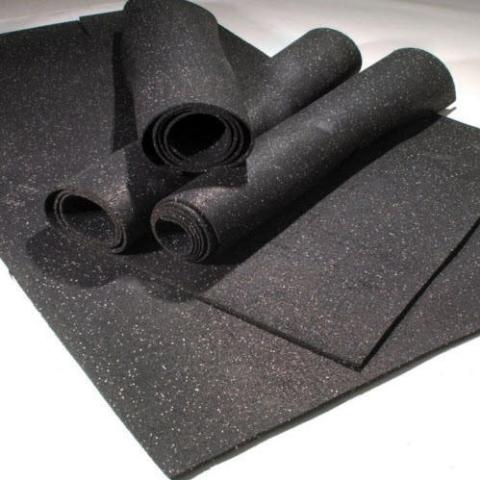
For areas that demand quick installations or flexible usage, Acoustic Sheets come in handy. These thin, yet powerful sound-absorbing layers are ideal for back-of-house areas, recording studios, or behind decorative panels where visual appeal is not the primary concern. Acoustic Sheets also serve well in temporary setups or during retrofitting projects, where their lightweight and adaptable nature offer practical advantages.
Planning the Right Acoustic Treatment
Deploying Acoustic Treatment in high-traffic environments isn't just about placing sound-absorbing materials randomly. It requires careful planning, based on a few critical questions:
What is the primary source of noise in space?
What are the space’s intended functions?
How does the sound currently travel within space?
Is speech clarity important here (like in a classroom or airport)?
The answers to these questions will help determine whether the space needs absorption (to reduce echo), diffusion (to scatter sound evenly), or insulation (to block sound transmission). For instance, a retail environment may benefit more from Acoustic Panels for surface treatment and aesthetics, whereas a hospital might prioritize Acoustic Boards for their higher NRC (Noise Reduction Coefficient) values and antimicrobial properties.
Why Demand is Rising
Several macro and micro-level factors are contributing to the rising demand for Acoustic Materials in high-traffic environments:
1. Wellness and Productivity Focus
There is a strong shift towards designing spaces that support mental well-being and cognitive performance. Offices today are moving away from sterile, noisy spaces to quiet, mindful zones that help people focus better—fueling the use of Acoustic Treatment in every nook and corner.
2. Regulations and Green Building Certifications
More countries are implementing building codes and certification systems (like LEED, WELL, and IGBC) that promote acoustic comfort. Compliance often requires incorporating Acoustic Boards or Acoustic Panels that meet specific acoustic performance standards.
3. Design Evolution
Modern architecture is leaning heavily into open plans, hard surfaces, and minimalistic design—all of which can unintentionally amplify sound. This has led to a situation where Acoustic Sheets and other materials become necessary design tools to balance form and function.
4. Customization and Aesthetics
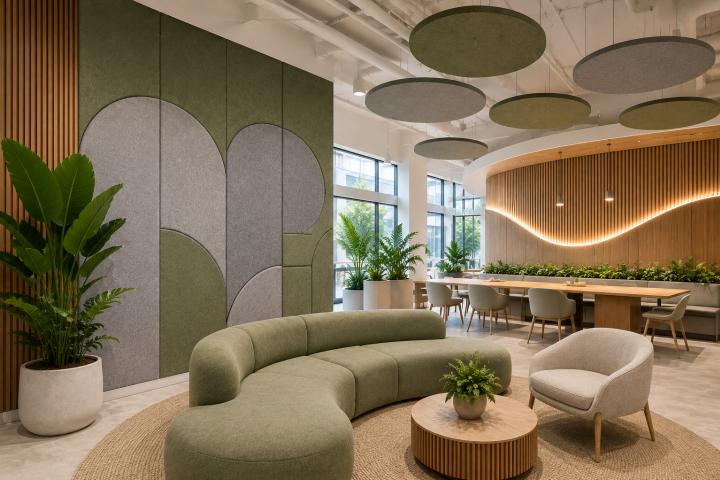
Today’s Acoustic Materials are available in custom colors, prints, and even 3D sculptural forms, making them not just functional but visually striking. This has enabled architects and designers to integrate them seamlessly into the concept stage itself, rather than treating them as an afterthought.
Future Outlook
As urbanization continues to surge, the need for acoustic efficiency in shared and public spaces will only grow stronger. Technological advancements, too, will contribute to this space with smart Acoustic Panels that can change their absorption levels or double as digital displays. The future of acoustics is not just silent—it’s smart, adaptive, and design-driven.
Companies that manufacture and supply these materials must be ready to meet the growing demand with scalable, sustainable, and customizable solutions. Material innovation will focus on sustainability, fire resistance, lightweight properties, and ease of installation.
Moreover, with artificial intelligence and sensor-based feedback systems coming into play, acoustic planning might soon become a data-driven science, where material use is optimized based on real-time auditory patterns of the space.
Conclusion
Managing the demand for Acoustic Materials in high-traffic environments is no longer just a design luxury—it’s a necessity. With a mix of innovative materials like Acoustic Panels, Acoustic Boards, and Acoustic Sheets, paired with thoughtful Acoustic Treatment strategies, we can create spaces that are as pleasant to hear as they are to see.