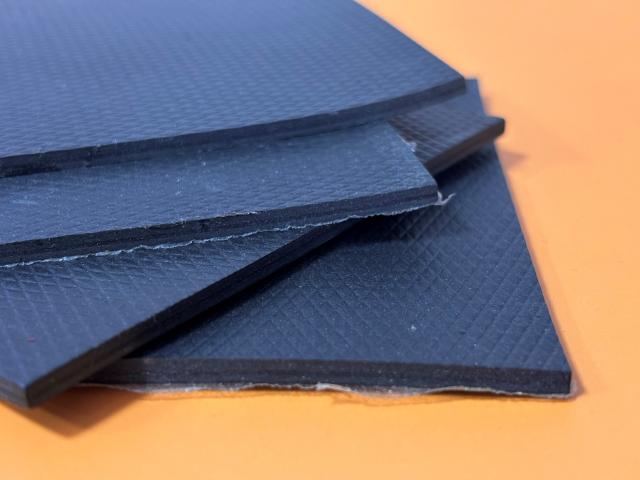

In today’s health-conscious world, gyms and fitness studios are popping up everywhere—from high-rise commercial buildings to suburban neighborhoods. But along with the adrenaline-pumping workouts and blaring music comes a major challenge: noise control. Whether it's the sound of dropped weights, loud music, or cardio machines humming all day, noise in gyms can be a real problem for both patrons and nearby occupants. That’s where Mass Loaded Vinyl steps into the ring as a true acoustic champion.
Sound of Fitness: A Real Acoustical Challenge
Imagine trying to meditate in a yoga class while loud thuds echo from the weightlifting area next door. Or worse, envision residents complaining about constant vibration and noise from a gym located on the floor below. These aren't just minor inconveniences—they can lead to negative customer experiences, poor reviews, and even legal issues due to noise ordinances. Effective soundproofing in such environments is not a luxury—it's a necessity.
This is why acoustic treatment in fitness facilities must be carefully planned. One of the most reliable and high-performing materials in this domain is Mass Loaded Vinyl, commonly known as MLV Soundproofing. It's not just a buzzword in the industry—it’s a proven, science-backed solution.
What is Mass Loaded Vinyl?
Mass Loaded Vinyl is a dense, flexible material engineered specifically for sound blocking. It's typically made of vinyl infused with heavy mineral particles to enhance its mass without adding much thickness. This unique composition allows it to effectively block sound transmission through walls, ceilings, and floors without taking up too much space—ideal for gym and fitness studio environments where aesthetics and space optimization are critical.
The beauty of MLV Soundproofing lies in its ability to offer excellent Sound Transmission Class (STC) ratings without the need for thick, bulky layers. This makes it suitable for both new constructions and retrofitting existing gym interiors.
Why Use MLV in Gyms and Fitness Studios?
Here’s why the Mass Loaded Vinyl Sound Barrier is a go-to choice for acoustical control in fitness environments:
1. Block Impact Noise
Gyms are notorious for impact noises—weights dropping, jumping exercises, and treadmills pounding away. These sounds transmit through structural elements and become a nuisance for people on adjacent floors. Installing an MLV Sound Barrier under gym flooring helps isolate and absorb impact noise, significantly reducing sound transmission.
2. Minimize Airborne Noise
Loud music, instructor commands, and chatter create airborne noise that travels through walls and ceilings. When Mass Loaded Vinyl is installed behind drywall or within partitions, it dramatically reduces this airborne noise, keeping each workout zone acoustically isolated.
3. Easy Integration
Another reason why MLV Soundproofing is ideal for gyms is its flexibility. It can be installed in ceilings, walls, or even wrapped around pipes and HVAC ducts. Whether it’s a spin studio, yoga room, or HIIT zone, MLV Sound Barriers adapt to the layout and design seamlessly.
4. Durability and Safety
Gyms are high-traffic areas. The materials used in construction must be durable and safe. Most Mass Loaded Vinyl options are not only tear-resistant and fire-rated but also non-toxic and odorless—making them suitable for use in enclosed workout spaces.
Installation Techniques that Maximize Performance
While Mass Loaded Vinyl Sound Barrier is an excellent product, its effectiveness also depends on how it's installed. Here are a few key techniques used in gyms and studios:
Wall Application: Applied between layers of drywall or attached directly to existing walls to add mass and reduce sound penetration.
Ceiling Application: Hung between floor joists or as part of a drop ceiling system to contain sound between floors.
Flooring Underlayment: Used beneath rubber mats or wooden flooring to absorb impact noise from dropped weights and aerobic exercises.
Machine Enclosures: Wrapped around noisy machinery or equipment rooms to localize and contain noise.
In high-end fitness centers, designers often combine MLV Soundproofing with other acoustic treatments such as acoustic panels, ceiling baffles, and absorptive wall art. This layered approach results in a well-balanced, acoustically optimized space.
Case Study: A Fitness Studio Makeover
Let’s take the example of a boutique fitness studio located above a retail store. The studio faced complaints from tenants below due to the constant noise from early morning bootcamps. The solution? A combination of resilient underlayment and a Mass Loaded Vinyl Sound Barrier beneath the wooden floor. Within days of implementation, the complaints stopped. Not only did this improve the experience for the tenants, but it also allowed the studio to expand its schedule without worrying about noise restrictions.
Cost vs. Value
Some may argue that MLV Soundproofing is more expensive than traditional insulation materials, but the long-term benefits far outweigh the initial investment. Think fewer customer complaints, better sound quality inside the gym, and the ability to operate without sound restrictions. For fitness businesses aiming to deliver a premium experience, Mass Loaded Vinyl is a wise and sustainable investment.
Final Thoughts
In a fitness environment where energy is everything, uncontrolled noise can be a silent killer—literally draining motivation, disturbing focus, and disrupting peace for surrounding spaces. A well-executed acoustic plan using Mass Loaded Vinyl ensures that the sound stays where it’s wanted—and blocked where it’s not.
From sound isolation to impact noise reduction, MLV Sound Barriers are revolutionizing how gym and fitness studios tackle acoustics. Whether you're an architect, gym owner, or acoustical consultant, incorporating Mass Loaded Vinyl Soundproofing into your next project might just be the knockout punch your space needs.