
In today’s architecture and construction landscape, the demand for acoustic comfort is no longer a luxury — it’s a necessity. Whether you're designing a residential tower, a corporate workspace, a hospital, or a recording studio, one critical material that’s gaining attention among architects is the MLV Sound Barrier. Known for its exceptional soundproofing qualities, the MLV Sound Barrier offers versatility, effectiveness, and ease of installation that modern projects require.
So, what exactly should architects know about this game-changing product? Let’s explore.
Understanding the Basics of MLV Sound Barrier
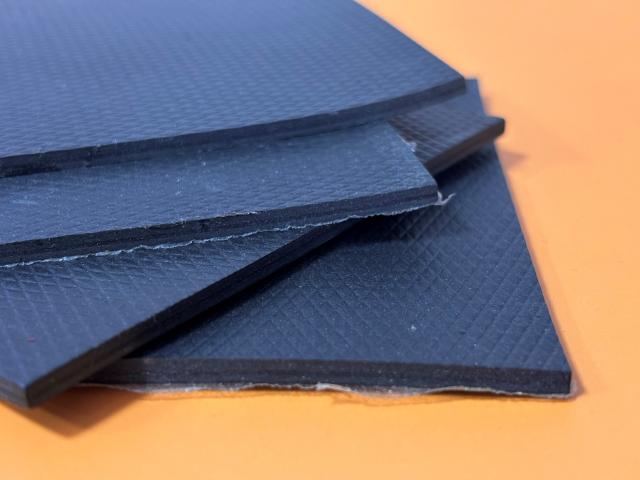
MLV Sound Barrier, or Mass Loaded Vinyl Sound Barrier, is a flexible, high-density material used to reduce sound transmission between spaces. What makes MLV Sound Barrier unique is its high mass in a relatively thin profile, making it ideal for applications where space and weight are a concern but high sound attenuation is needed.
It was originally developed as a lead substitute to block noise without the health hazards or weight of traditional materials. Today, MLV Sound Barrier is used in walls, ceilings, floors, and even machinery enclosures to contain or exclude unwanted noise.
Why Architects Should Care
1. Acoustic Control in a Noisy World
From urban traffic and construction noise to loud HVAC systems and internal chatter in open offices — noise is omnipresent. As an architect, you're not just shaping spaces; you're shaping how people experience those spaces. This is where the MLV Sound Barrier becomes invaluable. Its ability to reduce airborne sound transmission can significantly enhance the acoustic performance of a building, leading to improved productivity, comfort, and privacy.
2. Flexible Yet Powerful
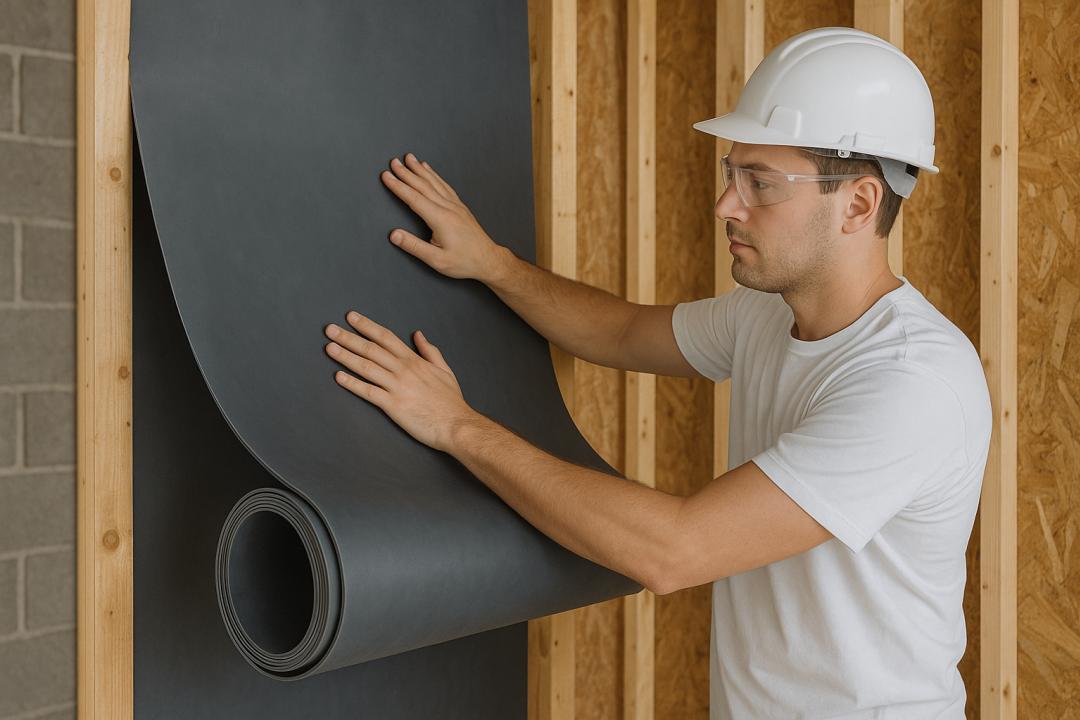
Unlike bulky drywall or concrete solutions, the MLV Sound Barrier is thin (typically 1/8" to 1/4" thick) yet dense enough to provide effective sound attenuation. It can be easily cut and shaped to fit into tight spaces, wrapped around pipes, or layered between drywall sheets. This flexibility opens up creative design options, allowing architects to maintain aesthetics while still addressing acoustical requirements.
Key Benefits of Using MLV Sound Barrier
1. High STC Ratings
MLV Sound Barrier products typically boast a high Sound Transmission Class (STC) rating. An STC rating measures how well a material attenuates airborne sound. Higher STC means better sound isolation. When used correctly, MLV Sound Barrier can help wall assemblies achieve STC ratings in the 50s or higher, which is ideal for spaces requiring privacy or silence.
2. Lightweight and Non-Invasive
Traditional soundproofing materials like concrete or extra drywall layers can add significant weight to the structure. The MLV Sound Barrier offers a lightweight alternative without compromising on performance. This is especially beneficial in retrofit projects or lightweight construction where structural load is a concern.
3. Easy Installation
For contractors and project managers, time is money. The MLV Sound Barrier can be installed with minimal disruption to existing structures. It can be nailed, screwed, stapled, or even glued depending on the application. Its roll format also ensures minimal waste and efficient coverage.
4. Fire and Mold Resistance
Many modern MLV Sound Barrier products come with fire-resistant and mold-resistant properties, making them a safe and long-lasting solution for various environments — from hospitals and schools to commercial buildings and homes.
Common Applications for MLV Sound Barrier
1. Interior Walls and Partitions
In multi-family housing, hotels, and office buildings, noise transfer between rooms can be a major issue. Integrating MLV Sound Barrier between drywall layers or as part of a wall assembly can drastically reduce sound transmission.
2. Ceilings and Floors
In apartment complexes or multi-level buildings, vertical noise transfer (footsteps, dropped items, voices) is a frequent complaint. Placing MLV Sound Barrier under flooring materials or above ceiling tiles adds an essential layer of sound insulation.
3. Mechanical and Utility Rooms
Loud equipment can disturb occupants. Wrapping MLV Sound Barrier around noisy machinery or lining utility closets ensures better sound containment without impacting maintenance accessibility.
4. Theaters and Recording Studios
Spaces where sound quality is paramount — like theaters, home cinemas, or studios — benefit greatly from MLV Sound Barrier integration. It helps maintain a pristine acoustic environment by isolating internal sounds and blocking external noise.
Design Considerations for Architects
1. Integrating with Other Materials
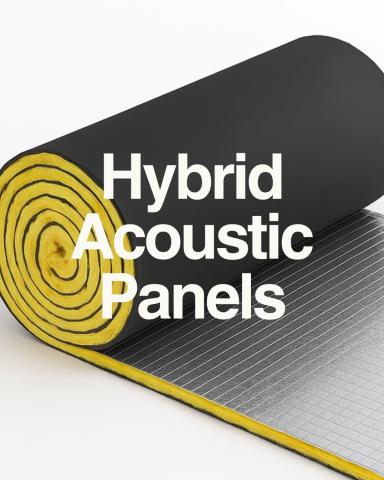
The MLV Sound Barrier works best when paired with other acoustic materials such as acoustic panels, fiberglass insulation, and resilient channels. As an architect, you should think holistically about the soundproofing assembly, rather than relying on a single layer.
2. Thickness vs Performance
The thickness of the MLV Sound Barrier directly affects its sound-blocking capability. While a thicker barrier offers better performance, it may not be suitable for all applications due to space constraints. Always balance acoustical goals with design limitations.
3. Environmental and Health Standards
Ensure the MLV Sound Barrier you choose is compliant with VOC emission standards and is free of harmful substances. Reputable products often come with environmental certifications which can contribute to LEED points in sustainable building projects.
Myths About MLV Sound Barrier
“It eliminates all sound.”
Not true. The MLV Sound Barrier significantly reduces sound transmission, but it’s not a magic bullet. Soundproofing is best approached as a multi-layered strategy.“It’s too expensive.”
While upfront costs may be higher than basic insulation, the long-term benefits in terms of occupant satisfaction, privacy, and reduced complaints outweigh the initial investment.
Conclusion: Designing with Ears, Not Just Eyes
Modern architecture is not just about what we see — it's also about what we hear. Acoustics influence well-being, focus, privacy, and overall user experience. With the growing demand for acoustic comfort in residential, commercial, and institutional buildings, architects need to be proactive in their approach.
The MLV Sound Barrier offers a smart, efficient, and high-performance solution for a wide variety of acoustic challenges. As a flexible, lightweight, and effective material, it empowers architects to meet both aesthetic and functional needs without compromise.