
When you dream of the ultimate home theater, chances are you picture a plush, immersive space where the world fades away and the sound of your favorite blockbuster envelops you completely. But here's the catch—sound doesn’t respect boundaries. It leaks out and creeps in unless you take the right acoustic precautions. That’s where the Mass Loaded Vinyl Sound Barrier steps in as a game-changing solution. Whether you're a movie buff or a gaming enthusiast, understanding how this product works can significantly elevate your home theater experience.
Let’s explore why the Mass Loaded Vinyl Sound Barrier has become one of the most reliable acoustic materials in home entertainment spaces, what benefits it brings, and how to properly install and maintain it.
What Is a Mass Loaded Vinyl Sound Barrier?
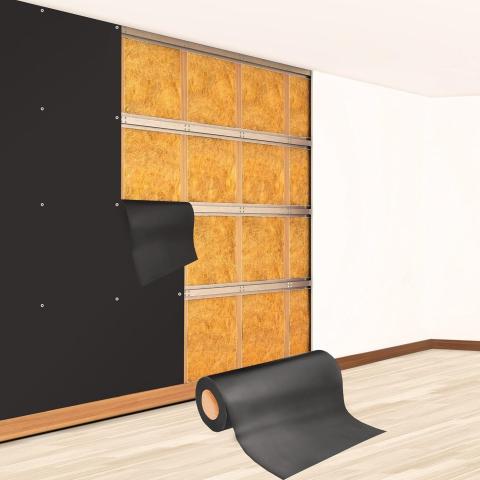
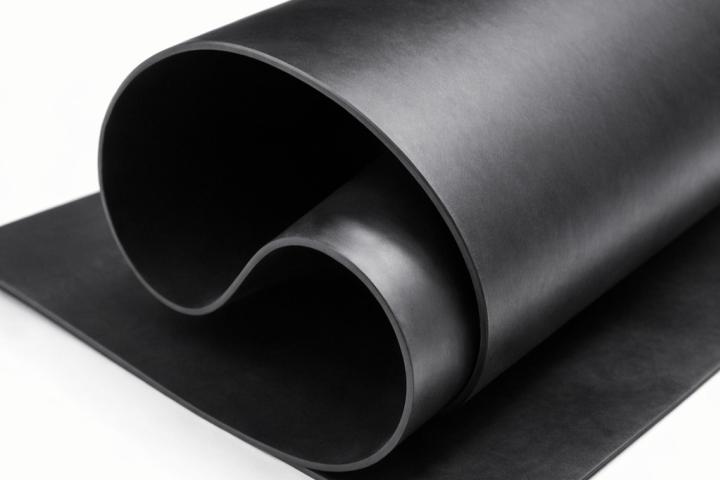
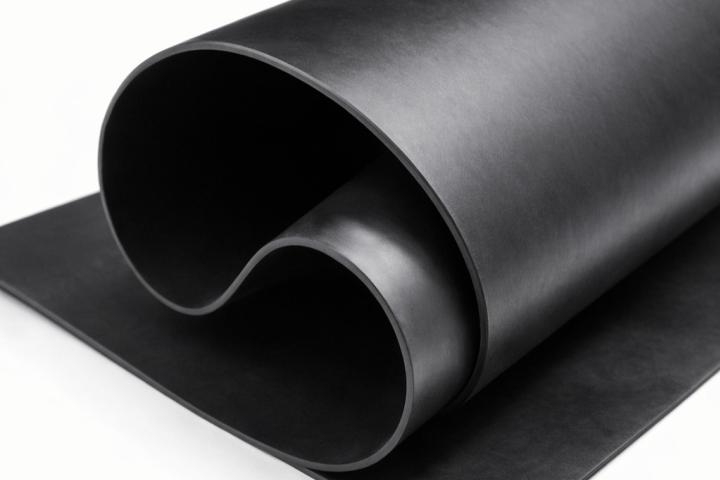
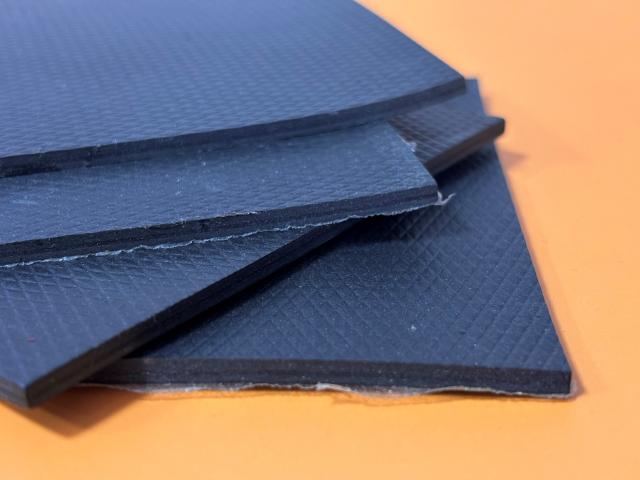
A Mass Loaded Vinyl Sound Barrier (often abbreviated as MLV) is a flexible, high-density material designed to block sound transmission. Originally developed as a non-toxic alternative to lead sheeting, MLV is made from PVC (polyvinyl chloride) combined with either barium sulfate or calcium silicate to give it weight and density.
This added "mass" is crucial because it prevents airborne noise—like dialogue, explosions, and music—from passing through walls, ceilings, and floors. Its versatility, ease of use, and effectiveness make it one of the top materials for soundproofing in residential and commercial projects alike.
Why Use Mass Loaded Vinyl Sound Barriers in a Home Theater?
Creating the right acoustic environment is essential in a home theater. Traditional drywall alone cannot stop powerful bass or keep your movie marathon from disturbing the rest of the household. Here are several compelling reasons to incorporate Mass Loaded Vinyl Sound Barrier into your home theater setup:
1. Superior Soundproofing Capabilities
MLV is excellent at reducing noise transmission across surfaces. It adds density without significantly increasing wall thickness, making it ideal for retrofitting existing rooms or designing new ones. It helps isolate both low-frequency rumbles and high-pitched tones—ensuring your sound stays in and outside noise stays out.
2. Space-Efficient Solution
Unlike some other soundproofing methods that require thick, bulky construction, the Mass Loaded Vinyl Sound Barrier is surprisingly thin—often just 1/8 to 1/4 inch thick. Yet it delivers powerful results without sacrificing square footage in your home theater.
3. Flexible Application
It can be installed on walls, ceilings, floors, and even wrapped around ducts or pipes. This flexibility allows homeowners and contractors to tackle specific noise problems efficiently. Whether you’re dealing with a shared wall, a noisy upstairs neighbor, or echo issues, the Mass Loaded Vinyl Sound Barrier can be part of the solution.
4. Enhances Overall Acoustic Quality
By containing the sound within the space, the Mass Loaded Vinyl Sound Barrier helps enhance audio clarity and performance. There’s less chance of sound bouncing off walls or leaking into unwanted areas, which means a purer and more immersive audio experience.
Where and How to Install Mass Loaded Vinyl Sound Barrier
Walls and Ceilings
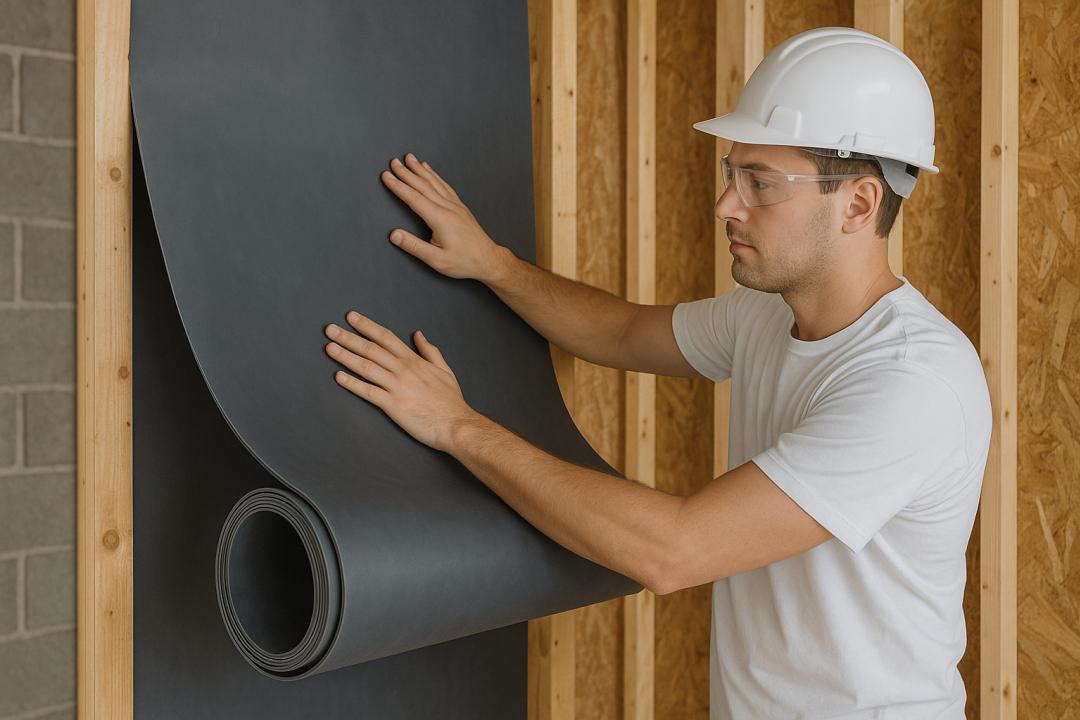
When adding MLV to walls or ceilings, it’s usually installed between two layers of drywall or over the existing wall surface. For best results, it should be secured using screws or adhesive and sealed with acoustic caulk to close off gaps that might allow sound leakage.
Floors
Although it’s more commonly used on walls, applying a Mass Loaded Vinyl Sound Barrier beneath carpet or hardwood flooring can also reduce sound transmission between floors. This is especially useful for upstairs home theaters or media rooms.
Doors and Windows
Doors and windows are often weak points in any soundproofing effort. While MLV won’t completely replace solid-core doors or double-glazed windows, it can be used to reinforce these elements or as part of a soundproof curtain system.
Professional vs. DIY Installation
MLV is relatively easy to install if you’re a confident DIYer, but for optimal performance, a professional can help tailor the application to your room’s specific acoustic challenges. They can also integrate the Mass Loaded Vinyl Sound Barrier with other soundproofing methods like resilient channels or acoustic panels.
Things to Keep in Mind
Before installing a Mass Loaded Vinyl Sound Barrier, here are a few practical considerations:
Weight: As the name suggests, it’s heavy! While it's flexible, it still requires sturdy support during installation.
Cost: MLV is more affordable than many soundproofing materials but may seem pricey for larger rooms. However, its effectiveness makes it worth the investment.
Finish: If applied over walls, MLV will require an additional covering (like drywall or fabric) to maintain aesthetic appeal.
Combining MLV with Other Acoustic Solutions
A great home theater doesn’t rely on a single solution. While the Mass Loaded Vinyl Sound Barrier is exceptional at blocking noise, combining it with other acoustic treatments can dramatically improve performance. Consider:
Acoustic panels for sound absorption and reducing echo
Bass traps to manage low-frequency energy
Carpeting and upholstered furniture to help dampen sound naturally
Double drywall with green glue for added mass and damping
Together, these strategies can transform your home theater into a professional-level entertainment zone.
Final Thoughts
The Mass Loaded Vinyl Sound Barrier is an unsung hero in the world of home theater design. Its ability to contain sound, reduce noise transmission, and improve acoustic performance makes it an essential tool for any serious audio-visual enthusiast. Whether you're building a home cinema from scratch or upgrading an existing space, MLV deserves a spot on your checklist.