
Walk into a classroom, and you’ll find more than just desks and a whiteboard. You’ll find minds at work—some absorbing knowledge through visuals, others by listening, and a few trying to make sense of it all in the middle of noise and distraction. Now imagine if the sound in that room was clear, calm, and intentionally designed for learning. That’s the silent power of Acoustic Materials—often overlooked, but instrumental in making learning spaces inclusive for all.
Inclusive learning isn’t just about ramps and visual aids. It's about making sure every student—whether they have ADHD, autism, hearing impairments, or simply struggle with focus—has an equal opportunity to absorb and engage with what’s being taught. Sound, or the lack of control over it, can be a major barrier. Fortunately, with the right Acoustic Treatment, we can remove that barrier and open doors to more equitable education.
The Unseen Barrier is Noise
Educational institutions, particularly schools, are often bustling with activity. From hallway chatter to the hum of projectors, ambient noise is everywhere. While some students might filter this out with ease, others find it nearly impossible to focus.
This is especially true for neurodivergent learners. A child on the autism spectrum, for instance, may find certain frequencies distressing. Similarly, children with hearing loss struggle to differentiate speech from background noise. And even in mainstream classrooms, poor acoustics can cause fatigue, lower comprehension, and decrease engagement.
That’s where Acoustic Materials come in as a silent yet powerful solution. They don’t just make a room quieter—they shape how sound behaves in a space, reducing reverberation, echoes, and unwanted noise.
Understanding Acoustic Materials and their Magic
Let’s break it down.
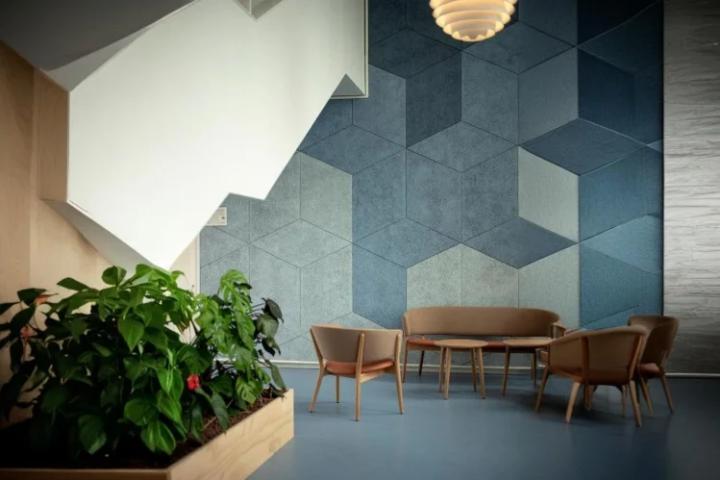
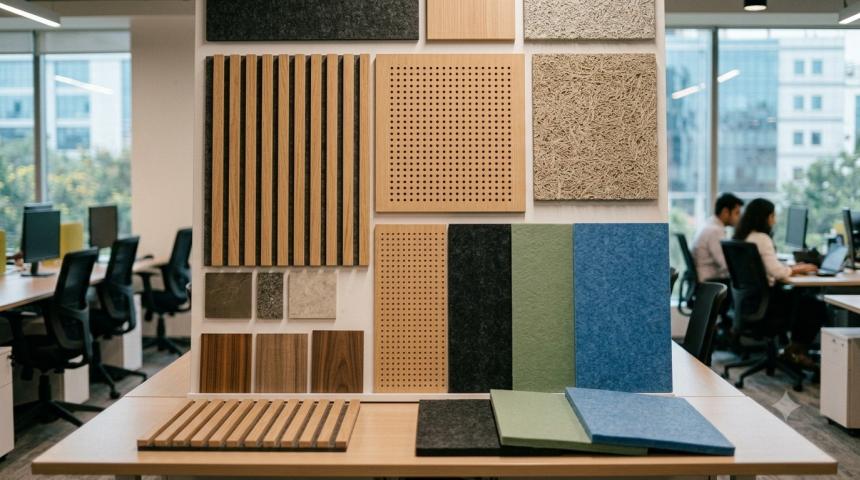
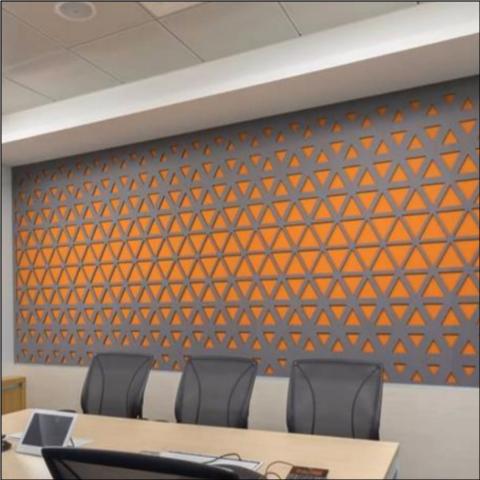
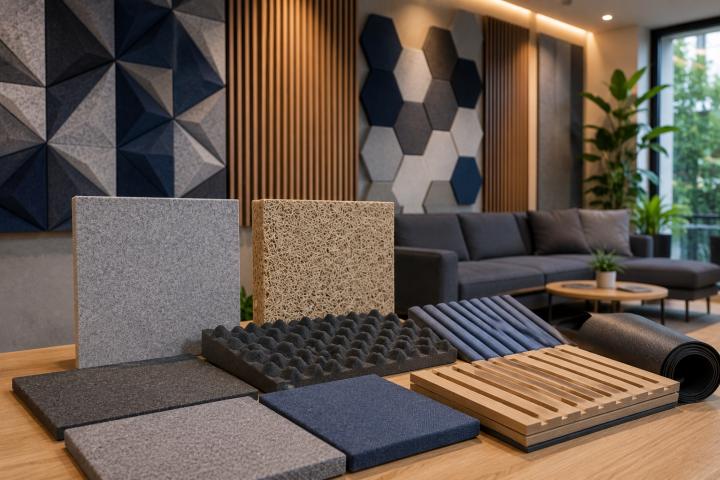
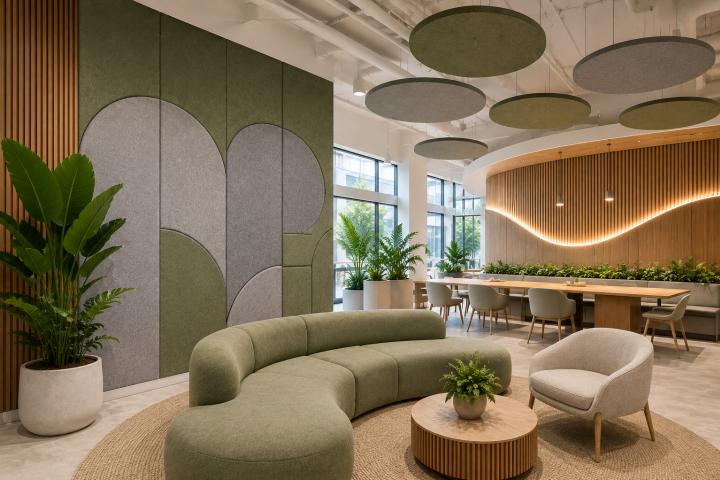
Acoustic Panels are specially engineered surfaces that absorb sound waves. Mounted on walls or ceilings, they reduce the amount of sound bouncing around, which helps make speech clearer and more intelligible. These are particularly effective in classrooms, libraries, and open learning zones.
Then you have Acoustic Boards, which serve a dual purpose—sound absorption and aesthetic appeal. These boards can be made from materials like PET, fiberglass, or even sustainable options like recycled textiles. They offer a clean look while significantly improving the acoustic profile of a space.
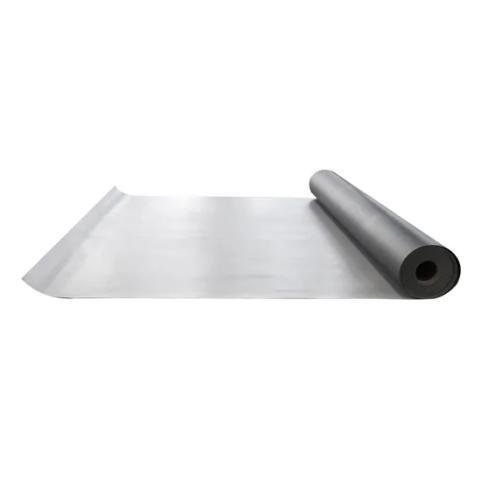
Acoustic Sheets, on the other hand, are flexible and often used as underlays or wall linings. They're great for covering larger surface areas where a more seamless acoustic solution is required. Because of their thin, pliable nature, they’re often used behind decorative surfaces or within partitions.
Each of these Acoustic Materials plays a specific role in shaping a space that promotes attention, comfort, and inclusion.
Acoustic Treatment is a Smart Investment in Learning
Installing Acoustic Treatment in educational spaces should not be seen as a luxury, but rather an essential upgrade for 21st-century learning. In fact, research shows that improved acoustics in classrooms lead to:
Better comprehension and retention among students
Increased teacher satisfaction and reduced vocal strain
Improved behavior and focus, especially in younger children
Enhanced performance among students with auditory processing difficulties
Imagine a reading corner in a kindergarten class fitted with soft Acoustic Panels shaped like animals or stars. Not only do they delight visually, but they also reduce the chatter echoing from the next room. Or think of a high school science lab fitted with sleek Acoustic Boards that reduce the clang of instruments and allow clearer communication between teams. These aren’t futuristic ideas—they’re practical, already existing solutions that align sound control with educational equity.
Designing for All for Inclusivity through Acoustics
An inclusive learning environment is one that anticipates and accommodates diverse needs. When we use Acoustic Sheets behind classroom partitions or inside mobile learning pods, we’re offering students flexible spaces that can adapt to their sensory preferences.
For example, children with sensory processing disorders often benefit from quiet zones. These zones, when treated with sound-absorbing Acoustic Boards or ceiling-hung Acoustic Panels, provide a much-needed break from overstimulation without making the student feel isolated.
Moreover, proper Acoustic Treatment supports multilingual learning environments. When every word spoken by a teacher is clearer and crisper, it aids non-native speakers in grasping language nuances, building confidence, and participating more actively.
Sustainable and Creative Choices
Today’s Acoustic Materials aren’t just functional—they’re also eco-friendly and customizable. Brands are now offering Acoustic Boards made from recycled PET bottles, making them a smart choice for green-certified schools. In fact, combining sustainability with inclusivity makes for a compelling narrative in education design.
Designers and architects are also getting creative. Acoustic Panels can double as art installations, timelines, or even learning tools. Imagine a giant world map made entirely of acoustic fabric, turning a sound-control element into an interactive geography lesson. Or a history wall crafted with soft Acoustic Sheets, muffling hallway noise while engaging curious minds.
Looking Ahead: Future of Quiet Innovation
The next generation of learning spaces will not be measured only by how tech-savvy they are but by how human-centered they are. And the human experience of sound is central to that. Schools, colleges, and even early learning centers are beginning to see the value of thoughtful Acoustic Treatment as a cornerstone of better learning outcomes.
By embracing Acoustic Materials, educators and institutions are sending a powerful message: every learner matters. That learning isn’t just about access to books or screens, but also about creating spaces where the mind can truly focus and thrive.
Final Thoughts
When we imagine acoustic materials as a tool for inclusive learning, we’re imagining classrooms where every child can hear the story, grasp the lesson, and ask the question without straining. We’re building schools that don’t just house students but support them—quietly, effectively, and beautifully.
In a world that often celebrates noise, let’s also celebrate the beauty of controlled sound. Through Acoustic Panels, Acoustic Boards, Acoustic Sheets, and thoughtful Acoustic Treatment, we have the chance to transform education—one decibel at a time.