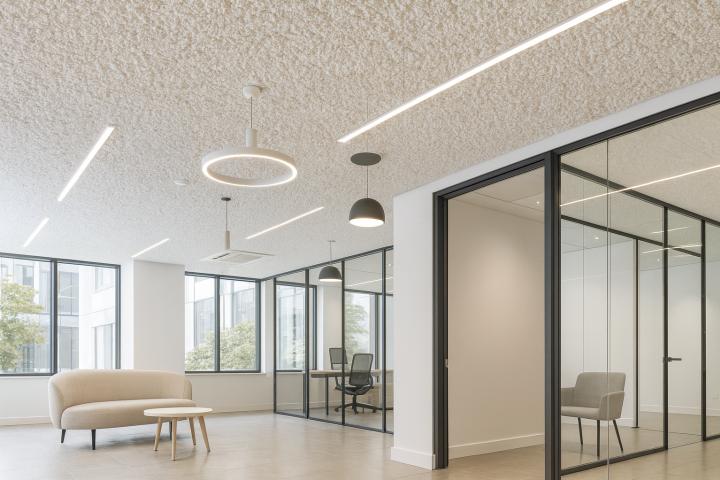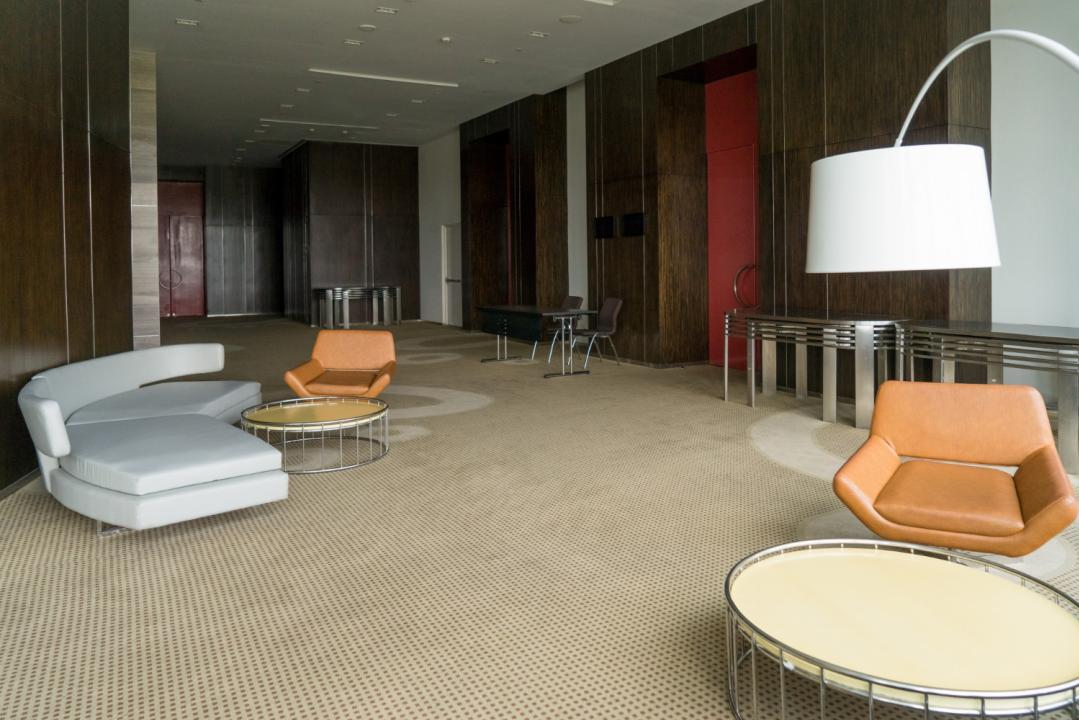

In a world where design meets function, and wellness aligns with aesthetics, one product is making noticeable waves across industries — the Acoustic wall panel. Once seen as a niche element reserved for recording studios and high-end cinemas, the Acoustic wall panel has emerged as a mainstream solution for sound management, visual appeal, and even sustainability. From corporate boardrooms to educational spaces and luxury homes, these panels are reshaping how we experience sound and space.
But what exactly is fueling the global demand for Acoustic wall panel solutions? Let’s explore the key drivers behind this rising trend and why it shows no sign of slowing down.
Need for Better Acoustics in a Noisy World?
The modern world is louder than ever. Open-plan offices, high-traffic public buildings, remote working setups, and densely populated urban homes all contribute to elevated noise levels. Poor acoustics are more than a minor inconvenience — they impact productivity, mental well-being, and the overall quality of life.
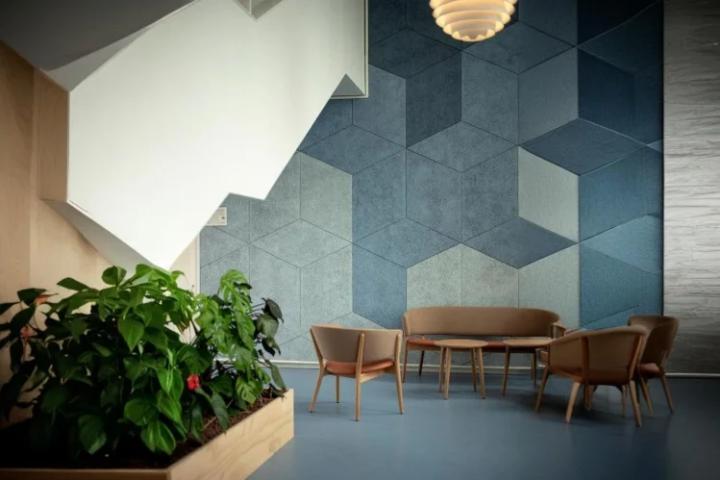
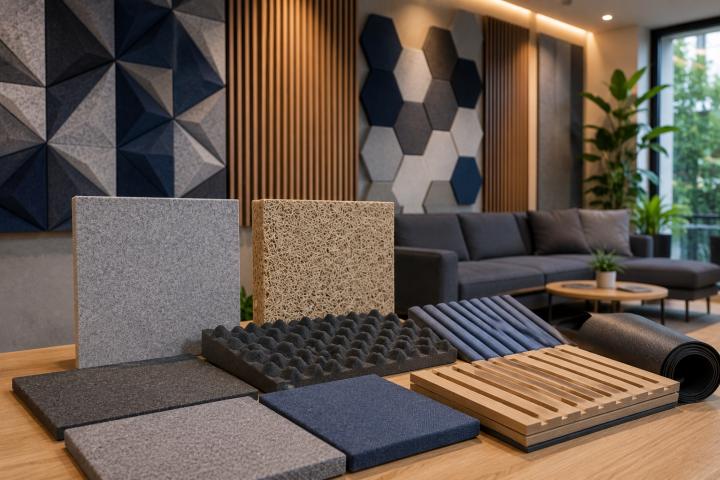
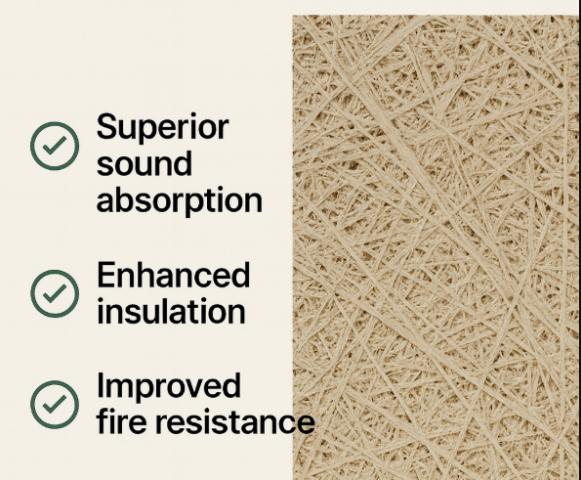
This is where the Acoustic wall panel comes into play. These panels are engineered to absorb sound, reduce reverberation, and create a more balanced auditory environment. Whether made from PET felt, fiberglass, wood wool, or fabric-wrapped composites, each Acoustic wall panel is designed to enhance both sound quality and visual aesthetics.
Corporate Spaces Lead the Charge
One of the primary industries driving this surge in Acoustic wall panel demand is the corporate sector. As organizations adapt to hybrid work cultures, the traditional office layout is evolving. Open-plan designs, collaborative work zones, and quiet pods are replacing cubicles — but they bring with them a new challenge: sound control.
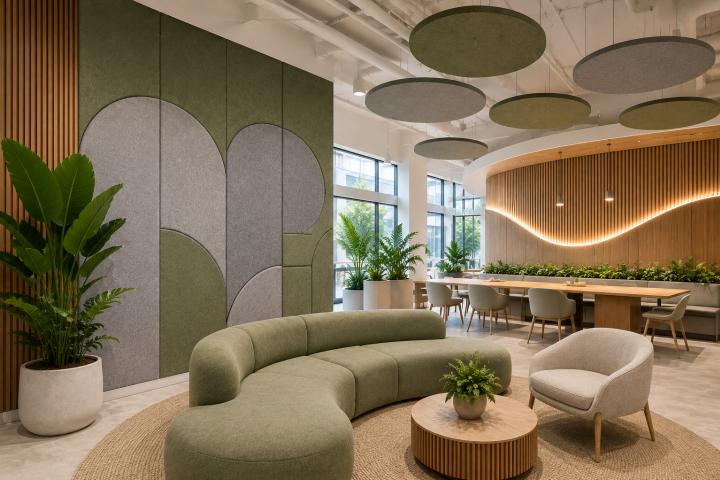
Companies are now prioritizing employee wellness and productivity, and acoustics are at the core of this shift. The Acoustic wall panel not only improves speech clarity and reduces distractions but also doubles up as a decorative element that aligns with brand identity. With customizable options in color, shape, and material, these panels are now part of a company's interior design narrative.
Rise in Educational and Institutional Demand
Classrooms, lecture halls, libraries, and auditoriums are other hotspots for poor acoustics. Studies show that excessive noise in learning environments can negatively affect concentration and comprehension. As a result, educational institutions worldwide are increasingly investing in Acoustic wall panel solutions.
These panels help improve speech intelligibility, especially in spaces with high ceilings or hard surfaces. They also contribute to a calmer, more focused atmosphere — vital for student learning and teacher communication. With schools and universities placing a stronger emphasis on student well-being post-pandemic, the trend is gaining momentum.
Home Interiors and the Desire for Quiet Luxury
Homeowners are now more aware of acoustic comfort, especially after the global shift to remote work. From home theaters and study areas to yoga rooms and bedrooms, people are looking for peace and privacy within their living spaces.
An Acoustic wall panel is no longer just a functional solution — it’s a life>
Hospitality and Wellness Industry’s Embrace
Hotels, spas, restaurants, and fitness centers have also joined the Acoustic wall panel revolution. In these environments, the right soundscape plays a crucial role in guest experience. Nobody wants to hear loud echoes in a spa room or shouting in a fine-dining restaurant.
The use of Acoustic wall panel options in the hospitality industry ensures that guests enjoy a premium, uninterrupted experience. Moreover, designers love the creative freedom these panels provide. From large-format installations to backlit acoustic art, the options are nearly endless.
Sustainability Adds Another Layer of Appeal
Environmental responsibility is no longer optional — it’s a necessity. Fortunately, many Acoustic wall panel products are now being made from recycled and recyclable materials, such as PET derived from used plastic bottles or eco-friendly wood composites.
This makes the Acoustic wall panel a smart choice for projects aiming for LEED, WELL, or GRIHA certification. Green building consultants and architects are increasingly specifying these panels not just for performance, but for their sustainable credentials. The rise of circular design practices further pushes their adoption in responsible architecture.
Innovation, Customization, and Aesthetic Versatility
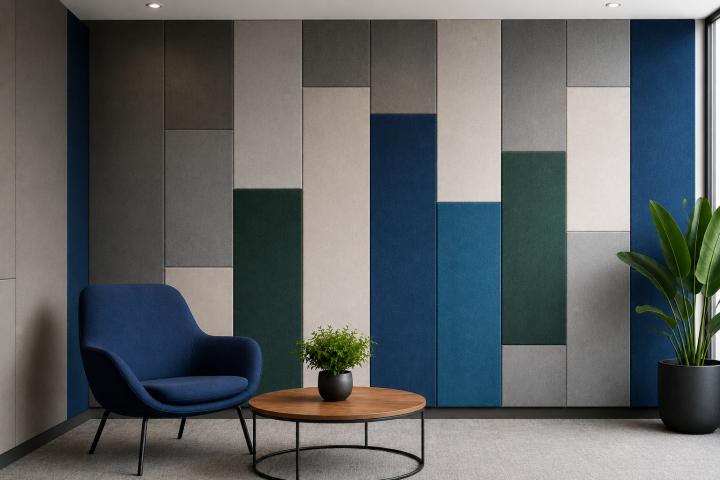
A major factor fueling the popularity of Acoustic wall panel products is the constant innovation in design and manufacturing. Today’s panels are no longer restricted to boring boxy shapes or dull finishes. Instead, they come in 3D designs, digitally printed graphics, geometric cuts, modular systems, and even interactive versions.
Whether you want a wall that acts as an acoustic mural or a hidden sound-absorbing feature that matches your flooring and ceiling system — there’s an Acoustic wall panel solution to match. Customization options are opening doors to new possibilities for architects and interior designers alike.
Global Growth Trends and Market Projections
According to recent market research, the global Acoustic wall panel industry is expected to witness steady double-digit growth in the coming years. North America and Europe continue to lead, but Asia-Pacific is rapidly catching up due to urbanization, rising construction activities, and an increasing awareness of wellness-centric design.
Government initiatives to reduce noise pollution, along with evolving building codes that emphasize acoustic standards, are further contributing to this upward trajectory. As more countries adopt stringent acoustic norms in commercial and institutional buildings, the demand for Acoustic wall panel solutions will continue to expand.
Final Thoughts
The rise in Acoustic wall panel demand is not just a passing trend — it’s part of a broader movement toward conscious design. These panels address multiple concerns simultaneously: sound control, sustainability, aesthetics, and wellness. Whether it’s an office looking to boost productivity, a school focused on better learning outcomes, or a homeowner seeking tranquility, the Acoustic wall panel delivers on all fronts.
As awareness spreads and innovation continues, we can expect to see even more creative, effective, and beautiful acoustic solutions shaping the built environment in years to come. If you’re not already exploring the possibilities of an Acoustic wall panel in your next project, now might be the perfect time to listen — quite literally — to what the design world is saying.