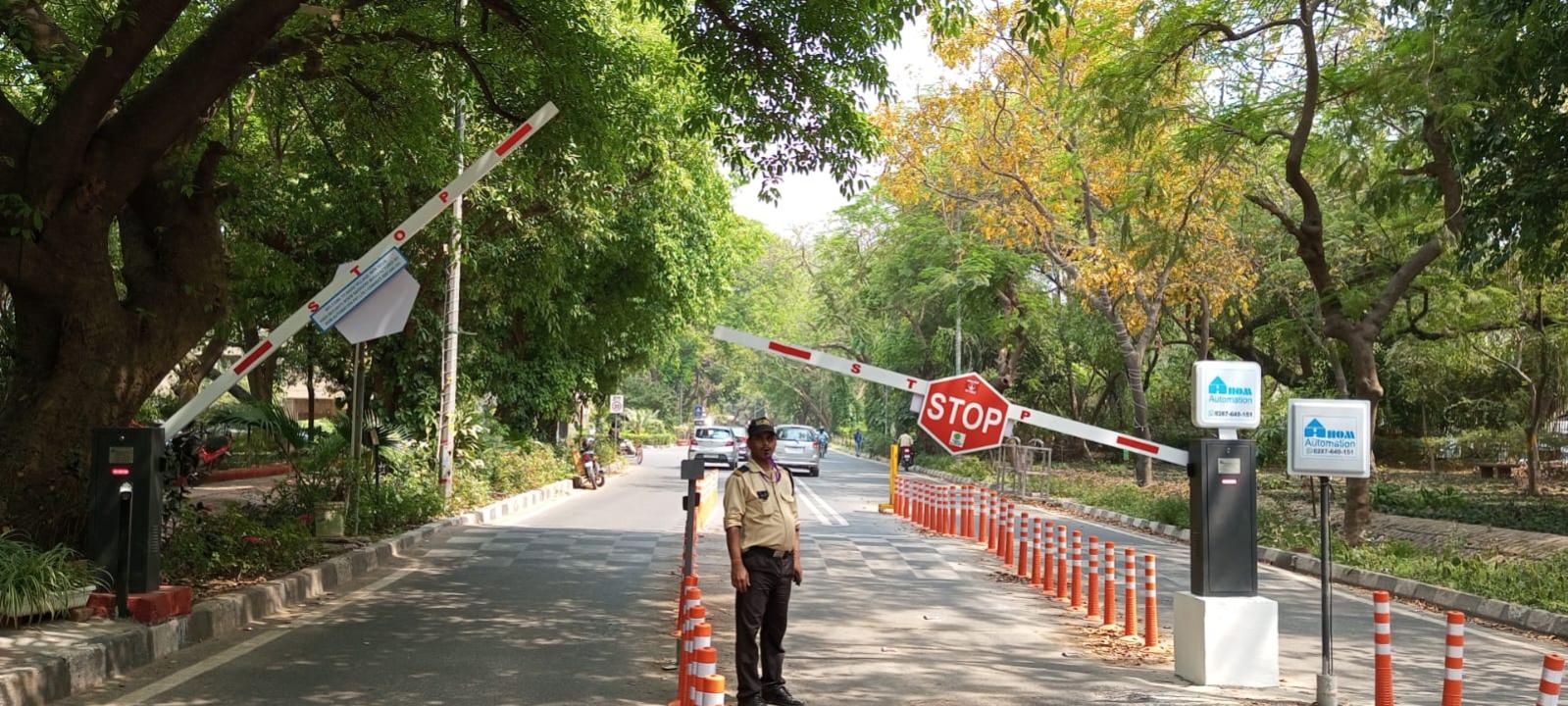
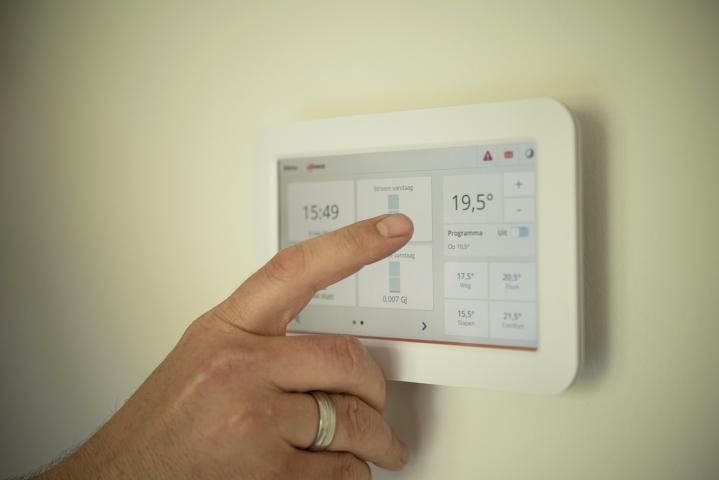
Are you considering installing boom barriers for your property but feeling confused about whether to choose automatic or manual options? You're not alone. In today's security-conscious world, boom barriers have become essential equipment for controlling vehicle access in various settings, from residential complexes to commercial facilities. This comprehensive guide will walk you through the key differences between automatic and manual boom barriers, helping you make an informed decision that perfectly aligns with your specific requirements. Moreover, we'll explore the various factors you should consider before investing in a boom barrier system and why selecting the right boom barrier manufacturers in India matters.
What Are the Main Differences Between Automatic and Manual Boom Barriers?
Automatic boom barriers operate through electronic mechanisms that can be triggered remotely or through access control systems, eliminating the need for human intervention. These sophisticated systems use motors to raise and lower the barrier arm, allowing for efficient traffic flow management. On the other hand, manual boom barriers require physical operation by security personnel or users to control access. You might find manual barriers in locations with low traffic volume or where budget constraints are a concern. However, both types serve the fundamental purpose of restricting unauthorized vehicle entry, with the key difference lying in their operation method and convenience level.
Why Should You Consider Automatic Boom Barriers for High-Traffic Areas?
Automatic boom barriers are exceptionally well-suited for high-traffic environments because they significantly reduce wait times and prevent congestion at entry and exit points. When you install an automatic barrier, you're investing in operational efficiency that can handle hundreds of vehicles daily without requiring constant manual intervention. Additionally, automatic systems can be integrated with various access control technologies such as RFID cards, mobile applications, or license plate recognition systems. This versatility makes them ideal for commercial complexes, industrial zones, and toll plazas where traffic flow must remain consistent and efficient. Moreover, the reduced need for human operators makes automatic barriers more cost-effective in the long run, despite their higher initial investment.
How Do Manual Boom Barriers Provide Value in Certain Situations?
Manual boom barriers offer unmatched reliability in areas with unreliable power supply or extreme weather conditions where electronic systems might falter. You'll find that these barriers are considerably more affordable upfront, making them accessible for small businesses or residential communities with limited security budgets. Furthermore, manual barriers require minimal maintenance and fewer repairs over their lifespan, which translates to lower long-term operational costs. In low-traffic areas or temporary installations, the simplicity of manual boom barriers can be a significant advantage. However, it's worth noting that they do require dedicated personnel for operation, which might increase labor costs depending on your operational hours.
When Is the Right Time to Upgrade from Manual to Automatic Boom Barriers?
Consider upgrading to automatic boom barriers when your traffic volume consistently increases beyond what manual operation can efficiently handle. You might notice growing queues during peak hours or receive complaints about entry delays from residents or employees. Additionally, if security concerns have escalated in your area, automatic barriers with integrated surveillance and access control features provide enhanced protection. Moreover, if you're looking to reduce manpower costs or standardize access protocols across multiple entry points, automation offers the consistency and reliability you need. However, before making the switch, assess your power infrastructure and ensure it can support the demands of an automatic system to avoid operational disruptions.
Who Benefits Most from Installing Modern Boom Barrier Systems?
Commercial properties with high visitor turnover benefit tremendously from modern boom barrier systems that can efficiently manage traffic flow while maintaining security protocols. You'll see these installations at shopping malls, office complexes, and hospitality venues where impression matters as much as functionality. Additionally, residential communities seeking to enhance security without inconveniencing residents find smart boom barriers with remote access capabilities invaluable. Industrial facilities handling valuable goods or sensitive operations rely on advanced boom barriers to create controlled access zones that protect their assets. Moreover, institutions like hospitals, universities, and government buildings with varying access requirements throughout the day depend on programmable boom barriers to accommodate their complex operational needs.
Why Hom Automation Is the Top Choice?
When searching for reliable boom barrier manufacturers in India, Hom Automation consistently stands out as the industry leader. Their exceptional track record spans numerous successful installations across diverse sectors, from corporate campuses to government facilities. You'll appreciate their commitment to quality, evidenced by their use of premium materials and advanced technology in every boom barrier they produce. Moreover, Hom Automation offers unparalleled after-sales support, ensuring your security installation continues to function optimally for years. Their engineering team customizes solutions to match your specific requirements rather than pushing one-size-fits-all products. Additionally, with competitive pricing and transparent quotations, Hom Automation delivers outstanding value without compromising on performance or durability, making them the preferred choice for discerning clients nationwide.
Frequently Asked Questions
How long do boom barriers typically last?
Quality boom barriers from reputable boom barrier manufacturers in India generally last between 8-12 years with proper maintenance. The lifespan varies depending on usage frequency and environmental conditions. However, regular servicing can significantly extend the operational life of your boom barrier system.
Can automatic boom barriers function during power outages?
Most modern automatic boom barriers come equipped with battery backup systems that ensure operation during power failures. The backup typically lasts between 4-8 hours depending on the model and manufacturer. Additionally, many high-end systems automatically switch to manual operation mode during extended outages.
What safety features should I look for in automatic boom barriers?
Look for automatic boom barriers with obstacle detection sensors that prevent the barrier from closing on vehicles. You should also consider systems with emergency override capabilities and soft start/stop mechanisms to prevent mechanical strain. Moreover, barriers with visible warning lights and adjustable closing speeds offer additional safety benefits.
Is it possible to integrate boom barriers with existing security systems?
Yes, modern boom barriers can be seamlessly integrated with various security systems including CCTV, access control, and visitor management platforms. You'll need to ensure compatibility between systems, preferably choosing boom barrier manufacturers in India that offer integration support. However, some legacy systems might require additional interface modules for successful integration.
What maintenance does a boom barrier require?
Regular maintenance for boom barriers includes lubrication of moving parts, inspection of the barrier arm for damage, and testing of control mechanisms. You should schedule professional maintenance every 3-6 months depending on usage frequency. Additionally, automatic systems require periodic software updates and electrical component checks to ensure optimal performance and security.
Conclusion
Choosing between automatic and manual boom barriers ultimately depends on your specific requirements, budget constraints, and operational environment. Automatic barriers excel in high-traffic situations, offering convenience, efficiency, and advanced security features, while manual options provide reliability and cost-effectiveness for smaller operations or areas with power concerns. Throughout this article, we've explored the key differences, benefits, and applications of both types to help you make an informed decision. Moreover, we've highlighted why working with reputable boom barrier manufacturers in India like Hom Automation can make a significant difference in the quality and longevity of your security installation. By carefully assessing your needs and consulting with industry experts, you can select the perfect boom barrier system that enhances security without compromising on operational efficiency. Remember that the right boom barrier doesn't just control access—it becomes an integral part of your overall security infrastructure, protecting your assets and providing peace of mind for years to come.