
In our increasingly noisy world, creating quieter and more comfortable indoor environments has become a priority. Whether you're designing an office, a home studio, a classroom, or even a restaurant, controlling sound can make all the difference in comfort and productivity. One of the most effective and budget-friendly ways to manage indoor acoustics is through the use of Polyester Fibre Acoustic Panels. But what exactly are these panels, and why are they gaining popularity across so many spaces? In this beginner's guide, we break it all down.
What Are Polyester Fibre Acoustic Panels?
A Polyester Fibre Acoustic Panel is a high-performance sound-absorbing product made from compressed polyester fibres. These fibres are typically recycled, making the panels an eco-friendly choice for acoustical treatments. With their felt-like texture and lightweight composition, these panels are designed to absorb sound waves, reducing reverberation and controlling echo within a room.
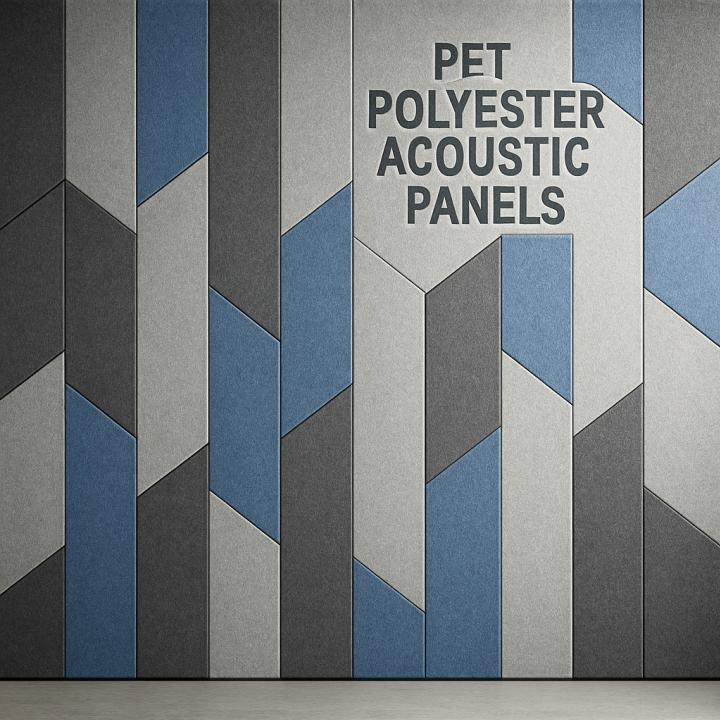
Unlike traditional foam or mineral wool panels, Polyester Fibre Acoustic Panels are non-toxic, durable, and available in a variety of colors, shapes, and thicknesses. This makes them not just functional, but also a visually appealing choice for architects, interior designers, and homeowners.
How Do Polyester Fibre Acoustic Panels Work?
To understand how a Polyester Fibre Acoustic Panel works, it helps to know a bit about how sound behaves. Sound travels in waves, and when these waves hit hard surfaces like walls, ceilings, and floors, they bounce back, creating echo and noise buildup. Acoustic panels help to absorb these sound waves, preventing them from reflecting around the space.
The fibrous structure of a Polyester Fibre Acoustic Panel traps sound energy and converts it into tiny amounts of heat, effectively dampening the sound. The result is clearer speech, reduced background noise, and a more comfortable acoustic experience.
Why Choose Polyester Fibre Acoustic Panels?
There are many types of acoustic treatments on the market, but Polyester Fibre Acoustic Panels stand out for several reasons:
Eco-Friendly: Most Polyester Fibre Acoustic Panels are made from recycled PET bottles, contributing to sustainability efforts.
Aesthetic Versatility: Available in a range of colors and finishes, these panels can complement any design theme.
Safe and Non-Toxic: Unlike some traditional acoustic materials, Polyester Fibre Acoustic Panels are formaldehyde-free and do not emit harmful gases.Durable: These panels are resistant to moisture, pests, and wear and tear, ensuring long-term performance.
Lightweight and Easy to Install: They can be mounted on walls, ceilings, and partitions with minimal tools or effort.
Common Applications of Polyester Fibre Acoustic Panels
The versatility of Polyester Fibre Acoustic Panels allows them to be used across a wide range of settings:
Offices: Reduce noise distractions and improve speech clarity in meeting rooms and open-plan workspaces.
Home Theatres & Studios: Achieve better sound quality for recording or viewing.
Educational Institutions: Enhance focus and reduce disruptive noise in classrooms and libraries.
Hospitality: Make restaurants, hotels, and lounges more comfortable by controlling ambient noise.
Healthcare: Improve patient experience in hospitals and clinics by reducing stress-inducing noise levels.
Installation Tips for Polyester Fibre Acoustic Panels
Installing Polyester Fibre Acoustic Panels is a relatively simple process, but a few tips can help you get the most out of them:
Assess Your Space: Identify the most problematic areas for sound reflection, such as corners, walls facing each other, or large open ceilings.
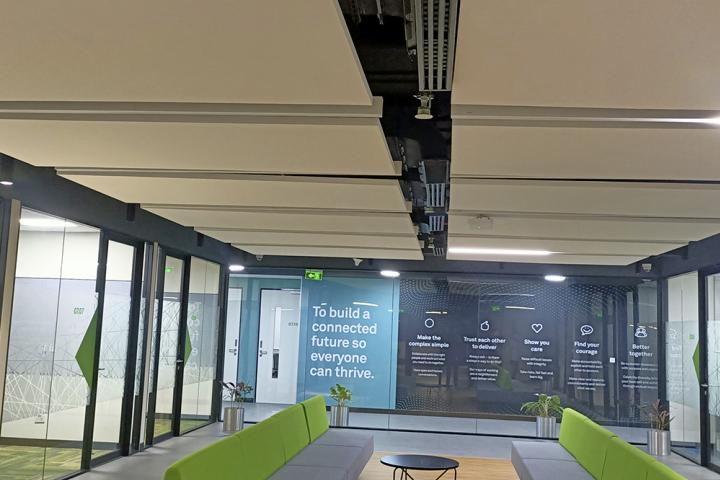
Panel Placement: Strategically place the panels to interrupt the path of sound waves. Ceiling clouds and wall panels in symmetrical patterns often yield great results.
Spacing: A small air gap between the panel and the wall can improve absorption, especially for low-frequency sounds.Use Adhesives or Mounting Hardware: Depending on your wall type and aesthetic goals, you can use clips, adhesives, or Velcro for easy installation.
Maintenance and Care
One of the major benefits of a Polyester Fibre Acoustic Panel is its ease of maintenance. These panels are resistant to dust and can be easily cleaned with a vacuum or a damp cloth. Their robust structure ensures they do not sag or deteriorate over time, even in humid conditions.
Acoustic Ratings and Performance
When selecting a Polyester Fibre Acoustic Panel, pay attention to its NRC (Noise Reduction Coefficient) rating. This number typically ranges from 0 to 1 and indicates how well the panel absorbs sound. A higher NRC means better sound absorption. For most general purposes, a panel with an NRC of 0.75 to 0.95 is ideal.
Customization and Design Flexibility
Modern Polyester Fibre Acoustic Panels come with extensive customization options. You can choose from various:
Thicknesses (typically 9mm to 24mm)
Colors and Patterns
Shapes and Sizes
3D Designs and Printed Graphics
This makes them not just acoustic solutions but also decorative elements that can enhance the aesthetics of a space.
Are Polyester Fibre Acoustic Panels Worth It?
If you're looking for a balance between performance, cost, and design, then absolutely yes. A Polyester Fibre Acoustic Panel is a practical investment in any space where sound quality matters. From home environments to commercial setups, the benefits in terms of comfort, focus, and even health are significant.
In an age where noise pollution is a real concern, having the right acoustic solution can drastically improve your quality of life. And few products offer the kind of affordability, sustainability, and visual appeal that Polyester Fibre Acoustic Panels do.
Final Thoughts
As more people understand the importance of sound in shaping their environments, the demand for effective and attractive acoustic solutions is on the rise. A Polyester Fibre Acoustic Panel ticks all the right boxes—from sustainability and safety to performance and design. Whether you're a beginner exploring soundproofing options or a professional looking for smart design solutions, these panels are a compelling choice.
So next time you're in a room that just sounds "right," there's a good chance a Polyester Fibre Acoustic Panel is quietly doing its job in the background.