
In this hyper-competitive retail landscape, customer experience has become the most powerful differentiator. From the moment a customer steps into a store, every element—from layout and lighting to music and material finishes—contributes to shaping their perception. One often overlooked yet incredibly impactful element in this mix is sound. Enter the game-changer: the Acoustic Board for Walls.
Sound of Shopping: Why Acoustics Matter in Retail
Imagine walking into a luxury fashion boutique. The lighting is perfect, the displays are curated to perfection—but there's a loud echo bouncing off the walls, drowning out the soft music and customer conversations. Suddenly, the ambiance feels less premium. Acoustics have a profound influence on mood, behavior, and purchase decisions.
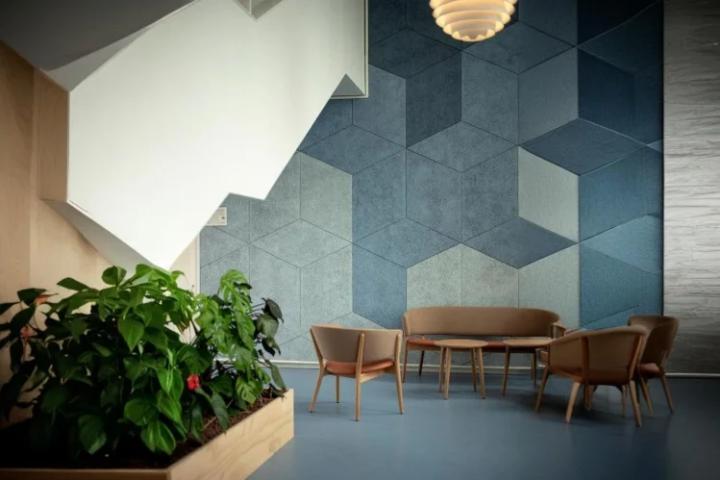
Modern retail spaces are no longer just places to buy goods; they are immersive environments. This evolution calls for design solutions that combine form and function. One of the most effective ways to fine-tune the acoustic environment while enhancing visual appeal is with the Acoustic Board for Walls.
What is an Acoustic Board for Walls?
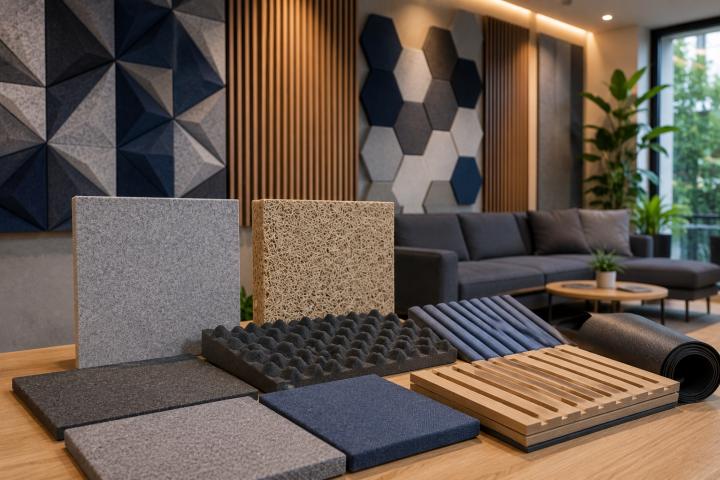
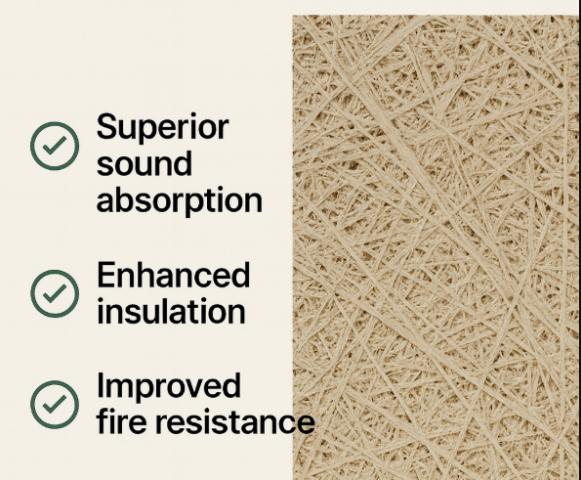
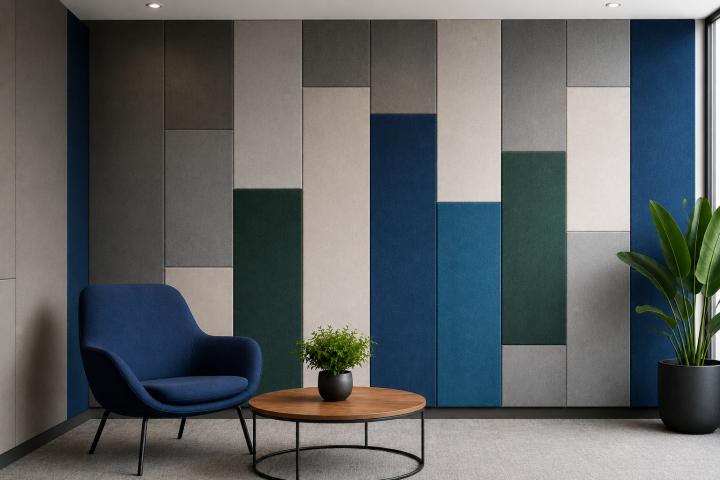
An Acoustic Board for Walls is a specialized panel designed to absorb sound waves, reduce reverberation, and enhance sound clarity within a space. These boards are typically made from materials such as PET (polyethylene terephthalate), fiberglass, wood wool, or fabric-wrapped foam. Custom versions allow designers and architects to incorporate branding, color schemes, and even digital prints—ensuring that acoustic performance doesn’t come at the cost of aesthetics.
Reinventing Retail with Custom Acoustic Solutions
So, how exactly does a Custom Acoustic Board for Walls reinvent the retail experience? Let’s dive into the key advantages and innovations that are transforming store design:
1. Brand Storytelling Through Design
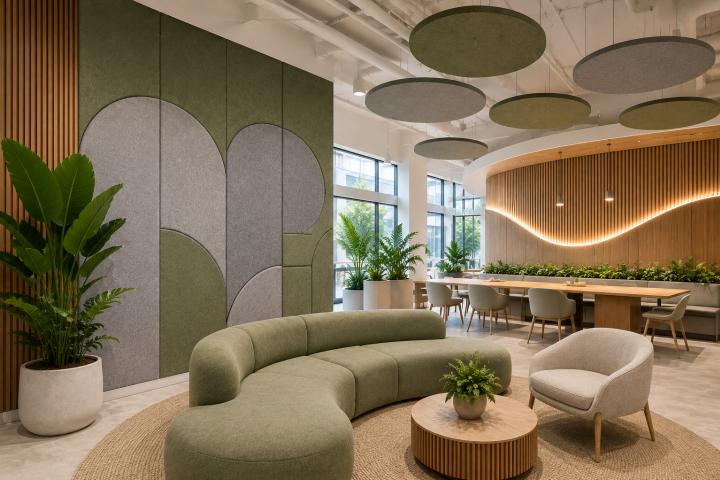
Retail design is about storytelling. Every wall, fixture, and detail should communicate something about the brand. With a customizable Acoustic Board for Walls, retailers can integrate logos, taglines, or brand motifs directly onto the panels. This turns a functional component into a visual asset that enhances brand recall and ambiance.
Imagine a sportswear store where acoustic boards not only control noise but also display dynamic graphics of athletes in motion. Or a skincare boutique with pastel-colored acoustic walls that exude calm and softness. The possibilities are endless when design meets acoustic intelligence.
2. Enhanced Customer Comfort
Noise pollution can disrupt concentration, elevate stress levels, and shorten dwell time—none of which is good for business. Using Acoustic Board for Walls allows retailers to create zones of calm within a busy store, encouraging shoppers to relax, explore, and engage.
This is particularly valuable in spaces like high-end showrooms, bookstores, spas, or wellness retail zones where tranquility is part of the brand promise. In busy malls or high-footfall stores, it also helps in reducing ambient noise levels and offering a better overall experience.
3. Zoning and Spatial Definition
Modern retail stores often feature open-plan layouts for flexibility and flow. However, open spaces can lead to poor acoustics and undefined zones. By strategically installing Acoustic Board for Walls, designers can delineate zones—like fitting rooms, consultation corners, cashier desks, or promotional areas—without needing physical partitions.
These boards can act as semi-permanent, lightweight design elements that guide customer flow and define the spatial narrative of a store. Custom panels, when color-coded or themed, help customers intuitively understand the store layout and purpose of each area.
4. Sustainable Choices for Conscious Brands
Sustainability is not a trend—it’s a necessity. Eco-conscious brands are increasingly turning to Acoustic Board for Walls made from recycled materials like PET felt, which is derived from used plastic bottles. These boards not only offer excellent acoustic performance but also align with a brand’s green mission.
By choosing sustainable acoustic materials, retailers can contribute to circular design practices and highlight their commitment to environmental responsibility—a factor that significantly influences modern consumer choices.
5. Flexibility for Seasonal Campaigns
Retail thrives on visual refreshes and thematic makeovers. Custom Acoustic Board for Walls can be designed as interchangeable panels that are easy to replace or update. This means stores can align wall designs with seasonal promotions, festivals, or product launches—keeping the environment dynamic and relevant.
This flexibility enhances engagement, as repeat visitors experience something new each time. It also provides marketing teams with a versatile canvas that adapts to changing campaign narratives.
Applications Beyond Just Sound Control
The benefits of Acoustic Board for Walls go beyond soundproofing. Here are some creative applications gaining popularity in the retail sector:
Interactive Panels: Embedding sensors or digital displays in acoustic panels to create touch-responsive shopping experiences.
Illuminated Acoustic Walls: Integrating LED backlighting into acoustic boards for added drama and ambience.
Texture-Rich Finishes: Using 3D designs or embossed surfaces to add a tactile element to the space.
Wayfinding & Signage: Incorporating directional signage into wall panels that double up as sound absorbers.
Retailers Already Reaping the Benefits
From high-end fashion boutiques to tech showrooms and boutique grocery stores, many brands are embracing Acoustic Board for Walls to enhance the in-store journey. Even global giants like Apple and Nike have invested in acoustic engineering as part of their store design strategy, understanding that great sound quality subtly reinforces a premium experience.
Final Thoughts
As retail continues to evolve, so must its design philosophy. It’s not just about what customers see—it’s about what they hear and feel. Custom Acoustic Board for Walls bring an incredible opportunity to bridge function and emotion, creating spaces that are not only beautiful but also acoustically optimized.
Retailers that invest in such thoughtful design solutions don’t just build stores—they build immersive, memorable experiences. In a world where customer loyalty is won through experience, that can make all the difference.