In the ever-evolving landscape of digital transformation, smart contracts have emerged as one of the most disruptive technologies. These self-executing contracts, governed by pre-defined rules encoded in code, offer unprecedented transparency, automation, and trust — eliminating intermediaries and streamlining agreements across a wide range of industries.
But the real power of smart contracts lies not just in what they do, but in how they’re designed and deployed.
What Makes Smart Contracts So Powerful?
Traditional contracts rely heavily on third-party enforcement, legal overhead, and paper trails that are prone to delays, errors, and manipulation. Smart contracts, on the other hand, are executed automatically once conditions are met, ensuring immutable and tamper-proof operations. Key benefits include:
-
Automation: No human intervention needed once deployed.
-
Transparency: All parties can view the contract logic.
-
Security: Built on decentralized blockchains, reducing the risk of fraud.
-
Cost-efficiency: Cuts down administrative costs by removing intermediaries.
Real-World Use Cases of Smart Contracts
Smart contracts aren’t just a theoretical innovation — they’re already revolutionizing:
-
Finance: Enabling decentralized lending, staking, and insurance.
-
Supply Chains: Automating tracking, provenance, and payments.
-
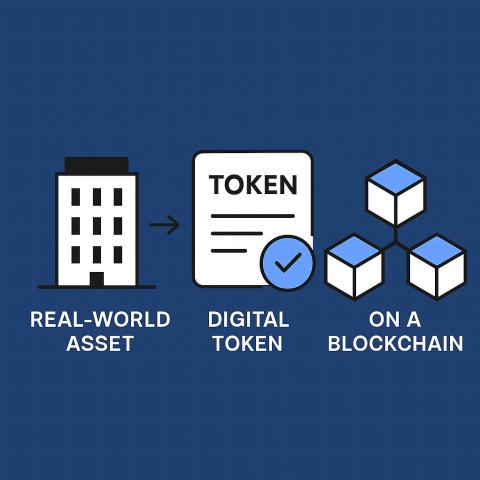
Real Estate: Facilitating tokenized property transactions and escrow services.
-
Healthcare: Managing medical records and data-sharing permissions securely.
-
Gaming and NFTs: Governing digital asset ownership and royalties.
Why Custom Smart Contract Development Matters
While the concept of smart contracts is simple, their development is far from trivial. A single vulnerability in the code can result in massive financial loss or irreversible execution. That’s why it’s crucial to work with developers who understand not just blockchain, but the nuances of the business logic being implemented.
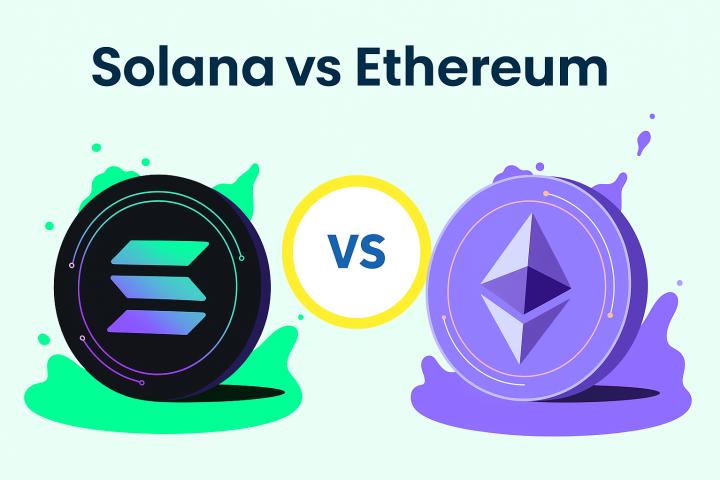
For businesses seeking secure, scalable, and customized solutions, partnering with a trusted service provider is essential. At Oodles Blockchain, expert developers specialize in building smart contracts across platforms like Ethereum, Solana, Binance Smart Chain, and more. Their team focuses on:
-
Writing secure and gas-optimized smart contracts
-
Auditing and testing for vulnerabilities
-
Supporting token standards like ERC-20, ERC-721, and ERC-1155
-
Integrating with dApps, wallets, and DeFi protocols
Building for Longevity: Upgradable Smart Contracts
One of the challenges with deploying smart contracts is their immutability — once deployed, the logic cannot be changed. While this ensures trust and transparency, it can also be limiting when updates or bug fixes are needed. To address this, developers implement proxy patterns that enable upgradability without compromising the contract's integrity. These patterns decouple the logic from the storage, allowing the core contract to be replaced or extended without affecting existing data. If you're looking to future-proof your dApps or token protocols, it's worth exploring this concept in detail. Oodles Blockchain provides an in-depth guide to smart contract upgradability using proxy patterns in Solidity,
helping you build with flexibility and foresight.
The Future is On-Chain
Smart contracts are laying the foundation for a decentralized economy — one where trust is no longer dependent on central institutions, but on code that executes with precision. Whether you're launching a DeFi product, building a DAO, or automating business logic, the potential is vast.
To realize it fully, the right technical partner can make all the difference. Learn how Oodles Blockchain can help you develop, audit, and scale smart contracts tailored to your unique needs.