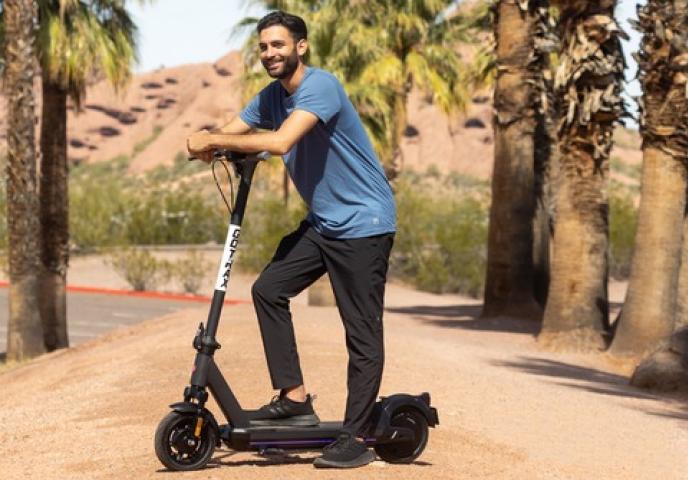
Urban landscapes are evolving faster than ever, driven by the surge in digital innovation, environmental awareness, and the growing need for efficient transportation. Among the transformative forces reshaping cities, e scooters have emerged as a frontrunner. Lightweight, electric, and cost-effective, these two-wheelers are redefining how people move through congested streets, especially during short-distance commutes.
But the e scooter revolution isn’t just about convenience—it's a major driver of smarter, greener, and more connected urban environments. Behind this movement are top e scooter brands that are not only innovating their hardware but also transforming urban mobility through intelligent software, partnerships, and policies.
The Urban Mobility Problem
For decades, cities around the world have been plagued by common challenges—congestion, pollution, high transportation costs, and inefficient last-mile connectivity. While metro systems and buses cater to mass transit needs, the “first and last mile” gap remains a stubborn issue. This gap is precisely where e scooters thrive.
Unlike cars or buses, e scooters require minimal space, can navigate crowded streets with ease, and offer an eco-friendly alternative to traditional fuel-powered vehicles. These benefits have made them a preferred option for daily commuters, tourists, and even delivery personnel in urban hubs.
Meet the Top E Scooter Brands Leading the Charge
Several companies have played a pivotal role in taking e scooters from trend to necessity. Here’s a look at how the top brands are pushing the boundaries of innovation:
1. Lime
Lime is among the largest shared micro-mobility providers in the world. Operating across more than 100 cities globally, Lime focuses on building an eco-conscious brand. Its scooters are known for their robust design, swappable batteries, and seamless app integration. Lime has also collaborated with city governments to ensure compliance and sustainability.
2. Bird
One of the earliest players in the e scooter space, Bird launched in 2017 and quickly expanded across North America and Europe. Bird’s focus has been on creating durable hardware and deploying smart features like geofencing and ride data tracking. Their emphasis on rider safety and operational scalability makes them a model for urban transport innovation.
3. Tier Mobility
Based in Germany, Tier Mobility is Europe’s leading e scooter operator. What sets Tier apart is its mission-driven approach to sustainability. The company was the first in the industry to achieve carbon neutrality and continues to roll out battery-swapping stations that reduce the environmental impact of fleet management.
4. Voi Technology
Headquartered in Sweden, Voi is known for its focus on safety and data analytics. The company uses AI-powered speed regulation, helmet detection features, and real-time feedback systems to enhance the rider experience and minimize risks. Voi works closely with municipalities to align with traffic rules and zoning policies.
5. Spin (by Tier)
Spin initially launched in the U.S. and was acquired by Tier Mobility in 2022. Spin stands out for its community-first approach. It actively collaborates with universities, city planners, and accessibility organizations to create inclusive mobility solutions. Spin’s focus on shared value has made it a respected player in the field.
Technology Driving the E Scooter Boom
The success of these companies is not only rooted in their physical product offerings. The software and backend infrastructure are what truly drive user experience, fleet management, and city integration.
Key Technologies Include:
- IoT Integration: Real-time GPS, remote locking/unlocking, and fleet diagnostics.
- Data Analytics: Usage heatmaps, predictive maintenance, and demand forecasting.
- Geofencing: Controls where scooters can be parked or how fast they can travel in specific areas.
- Mobile App Interfaces: Seamless user interaction for ride booking, payment, and customer support
As the industry grows, the importance of robust e scooter App Development becomes undeniable. From route optimization to user feedback loops, every function must be coded, tested, and constantly updated. Leading escooter app development companies are now focusing on features like AI-based navigation, machine learning for maintenance prediction, and APIs for government regulation compliance.
How E Scooters Are Making Cities Smarter
E scooters are a critical piece in the smart city puzzle. Here’s how they’re contributing to urban transformation:
- Traffic Decongestion: By replacing short car trips, e scooters ease road pressure
- Data-Driven Planning: Ride data helps municipalities understand mobility patterns and plan better infrastructure.
- Parking Efficiency: Dockless systems minimize space requirements, and geofenced zones help manage clutter.
- Accessibility: E scooters can serve underserved communities with fewer public transport options.
- Environmental Impact: Each e scooter trip avoids emissions from fuel-burning vehicles, reducing a city’s carbon footprint.
A Sustainable Future in Motion
Sustainability is at the core of the e scooter movement. Top brands are investing heavily in eco-friendly practices, including:
- Battery Recycling Programs
- Swappable Battery Technology
- Green Manufacturing Standards
- Carbon Offset Partnership
Tier Mobility and Lime, for example, have launched environmental initiatives aimed at making their operations carbon-neutral. These steps not only enhance brand image but also align with global climate goals—a factor increasingly influencing consumer choices.
What Startups Can Learn from Market Leaders
If you’re a startup eyeing the urban mobility space, there’s plenty to learn from the success of these leading brands:
- Focus on Safety: AI-powered braking systems, helmet detection, and speed limits.
- App UX Matters: User-friendly apps increase retention and reduce ride drop-offs.
- Local Partnerships: Collaborating with city authorities ensures smoother operations and long-term success.
- Scalable Tech Stack: The backend should be capable of managing thousands of scooters, users, and rides per day.
Startups entering this industry often seek support from an expert electric scooter app development company that understands the unique requirements of fleet-based, on-the-go services. From real-time tracking to payment integration, the technological foundation needs to be solid and scalable.
The Role of On Demand App Development
As urban transport becomes more digitized, on demand app development emerges as the engine that powers the entire experience. Whether it’s unlocking a ride, tracking usage, sending alerts, or even calculating emissions saved—on-demand apps make it possible.
The increasing demand for personalized, responsive, and scalable mobility solutions means businesses must invest in mobile technology that evolves with user needs and city regulations.
Companies that focus on custom-built, on-demand platforms are better equipped to adapt quickly, innovate faster, and meet the complex needs of both riders and cities.
Conclusion
The e scooter industry has transitioned from a novelty to a necessity. As urban centers continue to grow and evolve, top e scooter brands are laying the groundwork for what future cities will look like—cleaner, less congested, and far more efficient.
Through strategic partnerships, smart technology, and a commitment to sustainability, companies like Lime, Bird, Tier, and Voi are more than just ride providers. They are enablers of change, accelerating the shift toward smarter, greener mobility.
With the support of robust e scooter App Development frameworks, backed by experienced escooter app development companies, the journey from innovation to implementation is smoother than ever. As the demand for digital mobility grows, investing in electric scooter app development and on demand app development solutions will be essential—not just for businesses, but for the future of our cities.