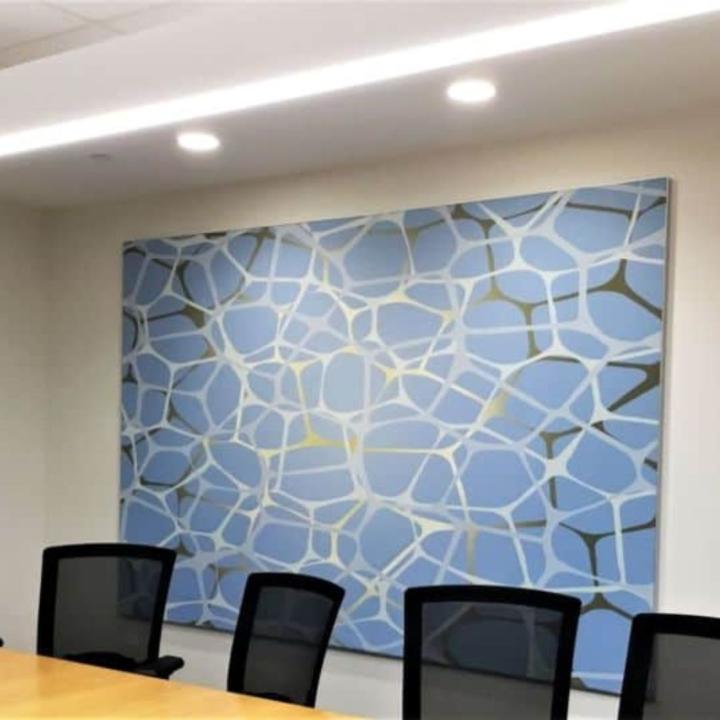

In a world where design meets functionality, Acoustic Wall Panels have become a cornerstone in building materials — not just for enhancing acoustics but also for creating visually refined spaces. However, owning premium acoustic installations comes with an important responsibility — maintenance. Whether you're an architect, interior designer, facility manager, or homeowner, understanding how to maintain your Acoustic Wall Panels is key to ensuring their performance and longevity.
Let’s dive into a complete guide that covers dust control, noise protection upkeep, and everything in between.
Why Maintenance Matters More Than You Think
Think of Acoustic Wall Panels as the lungs of your space. They absorb excess noise, improve sound clarity, and contribute to a calm and productive environment. But over time, dust accumulation, stains, and moisture can hinder their performance. Poor maintenance doesn't just affect aesthetics — it directly impacts sound absorption and air quality.
Whether your panels are made from PET, fiberglass, fabric-wrapped, or wood-finished materials, regular upkeep ensures they continue to perform both acoustically and visually.
Dust Doesn’t Just Sit — It Seeps
Dust is invisible until it isn’t — and when it clings to Acoustic Wall Panels, it can clog the porous surfaces, reducing their sound absorption efficiency. Especially in commercial settings, where HVAC systems and footfall stir up particles constantly, dust accumulation can be quicker than you expect.
How to tackle dust like a pro?
Vacuum with a soft brush attachment: Once a week, gently vacuum the panels to lift off surface dust.
Use microfiber cloths: These are ideal for wiping panels without damaging the surface.
Compressed air cans: For corners or perforations that are hard to reach, a short blast of air can be surprisingly effective.
If your panels are installed in high-traffic zones like corridors or classrooms, consider bi-weekly dusting schedules.
Spot Cleaning: Silence the Stains
Accidents happen — coffee spills, ink marks, or greasy handprints are common culprits that affect wall surfaces. Stains on Acoustic Wall Panels, especially fabric-wrapped or printed variants, not only look unpleasant but can also lead to deeper material degradation if not handled swiftly.
Here’s a smart stain removal routine:
For fresh spills: Blot (don’t rub!) the area with a clean, dry cloth to absorb excess liquid.
Mild cleaning agents: Mix a few drops of mild detergent in lukewarm water. Dab the stained area gently using a sponge or white cloth.
Test before use: Always test cleaning solutions on a hidden spot to ensure there's no discoloration.
Avoid using harsh chemicals, bleach, or scrubbing brushes, as these can damage the panel’s fabric or finish.
Humidity & Mold: The Silent Killers
In humid regions, Acoustic Wall Panels are susceptible to mold and mildew — especially if made of organic materials or placed in moisture-prone areas. Panels installed in basements, washroom corridors, or coastal environments need an extra layer of care.
Mold prevention strategy:
Ensure ventilation: Install exhaust systems or dehumidifiers in rooms where humidity is high.
Use moisture-resistant panels: Some Acoustic Wall Panels come with built-in moisture barriers — opt for those in critical zones.
Regular inspections: Monthly visual checks can help spot early signs of mold like discoloration or musty odor.
If mold is already present, professional cleaning is recommended to ensure complete and safe removal.
Fabric Panels Need Fashionable Care
Fabric-covered Acoustic Wall Panels offer elegant finishes but are also more prone to attracting dust, lint, and stains. These panels often elevate spaces like boardrooms, home theaters, and lounges, making their upkeep all the more important.
Special fabric care tips:
Lint rollers work wonders for minor surface cleaning.
Use upholstery-safe fabric cleaners for occasional deep cleaning.
Avoid excessive water: Too much moisture can seep into the inner acoustic material, leading to damage.
If removable, consider sending fabric covers for professional dry cleaning once a year for a refreshed appearance.
What If They Look Worn Out?
Sometimes, despite regular care, your Acoustic Wall Panels may start showing signs of wear — fading colors, sagging edges, or reduced acoustic performance. This doesn’t always mean replacement.
Smart revamp ideas:
Reupholster the panels: New fabric = new life.
Paint over certain types: Some PET panels can be spray-painted with acoustic-safe paints.
Add fresh layers: Laminate or re-laminate surfaces to enhance look and performance.
Preventive Design: Maintenance Begins at Planning
While maintenance is essential, a lot of future hassle can be avoided with thoughtful placement and design choices:
Choose darker shades for high-touch areas.
Use vertical alignment where water or dust is less likely to settle.
Incorporate trims or protective borders to reduce corner damage.
When selecting your Acoustic Wall Panels, consider not just their NRC rating or aesthetics but also their cleanability, resistance to dirt, and ease of replacement.
Conclusion: Clean Panels, Clear Sound, Calm Mind
Investing in Acoustic Wall Panels is a smart step toward building quieter, more productive, and elegant spaces. But that investment truly pays off when these panels are well-maintained. Dust and noise may be constant companions in our environment, but with the right care routine, your walls can stay clean, your sound can stay sharp, and your spaces can stay stylish.
By following a consistent maintenance plan, you can extend the life of your Acoustic Wall Panels and ensure they continue to deliver the performance they were designed for — day after day, year after year.