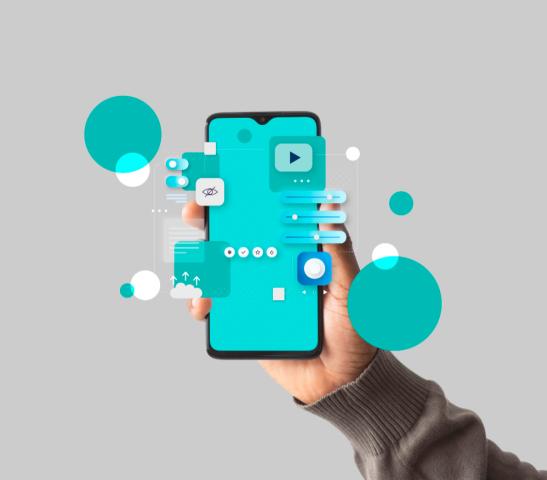

In today’s digital era, mobile apps have become a cornerstone of everyday life, transforming how we communicate, shop, learn, and entertain ourselves. Whether you're a startup founder or part of a larger enterprise, developing a mobile app is often essential for reaching your audience and delivering value. However, building a successful app involves more than just coding - it’s a comprehensive process with several crucial stages. This article explores the essential stages of mobile app development, from idea conception to post-launch support.
1. Idea Generation and Goal Setting
This stage involves identifying a problem that your app will solve or a need it will fulfill. During this phase, you should:
-
Define the purpose of your app.
-
Identify your target audience.
-
Study competitor apps in the same space.
-
Set clear, measurable goals (e.g., improve user engagement, generate revenue, etc.).
Brainstorming with stakeholders, conducting market research, and gathering user feedback can help refine your concept.
2. Market Research and Feasibility Analysis
Once your idea is crystallized, the next step is to conduct detailed market research and a feasibility analysis. This includes:
-
User Persona Development: Understand the demographics, behaviors, and pain points of your potential users.
-
SWOT Analysis: Evaluate your app’s Strengths, Weaknesses, Opportunities, and Threats.
-
Competitive Analysis: Explore what similar apps offer, their user reviews, and areas for improvement.
-
Technical Feasibility: Determine if the desired features are technically possible with current technology and within your budget.
Research not only validates your idea but also uncovers opportunities to differentiate your app in a competitive market.
3. Wireframing and Conceptualization
Wireframing is a visual guide that represents the skeletal framework of your app. It defines the structure, layout, and flow of each screen without any design elements. Tools like Figma, Sketch, or Adobe XD are commonly used in this stage.
Key steps include:
-
Creating user flow diagrams.
-
Designing low-fidelity wireframes.
-
Mapping out the app’s functionality.
-
Planning for navigation and interaction.
Wireframes are critical for understanding how users will interact with the app and for identifying usability issues early.
4. UI/UX Design
User Interface (UI) and User Experience (UX) design are central to app success. A visually appealing and intuitive design ensures that users stay engaged.
-
UX Design: Focuses on creating a seamless and logical user journey. This includes layout, user flow, and responsiveness.
-
UI Design: Deals with the look and feel of the app — colors, typography, icons, buttons, and other visual elements.
During this stage, designers produce high-fidelity prototypes that mimic the final app’s appearance and interactivity. User testing is often conducted at this point to gather early feedback.
5. App Development
The development process typically includes:
a. Frontend Development
The client-side or the part of the app the user interacts with. It includes animations, layout, and communication with the backend.
b. Database Management
Involves storing and retrieving data efficiently and securely.
Most development teams follow Agile or Scrum methodologies, dividing the work into sprints and incrementally releasing functional parts of the app.
Technology stacks vary based on platform:
-
iOS: Swift, Objective-C
-
Android: Kotlin, Java
-
Cross-platform: Flutter, React Native
6. Testing and Quality Assurance (QA)
Testing ensures that your app is bug-free, secure, and provides a seamless user experience.
Key testing methods include:
-
Usability Testing: Verifies user-friendliness and accessibility.
-
Security Testing: Identifies vulnerabilities and protects user data.
Automated testing tools (like Selenium, Appium) and manual QA processes are both used to ensure thorough validation.
7. Deployment and Launch
Once the app passes all QA checks, it’s ready for deployment to app stores — Apple App Store for iOS and Google Play Store for Android. Before launch:
-
Ensure you follow all guidelines set by each app store.
-
Create compelling app descriptions, icons, and screenshots.
-
Prepare for review and approval timelines (Apple’s review process can take longer).
-
Set up analytics tools (e.g., Google Analytics, Firebase) to track performance.
A successful launch often includes a marketing campaign to generate buzz, drive downloads, and attract early users.
8. Post-Launch Support and Maintenance
Releasing your app is just the beginning. Continuous monitoring, updates, and user engagement are essential to long-term success.
-
Bug Fixes and Updates: Regular patches and version updates to address user feedback and fix issues.
-
Feature Enhancements: Roll out new features based on usage patterns and market trends.
-
Performance Monitoring: Track crashes, loading times, and user behavior.
-
Customer Support: Provide channels (in-app chat, email, FAQ) for users to report issues and get help.
Apps that ignore maintenance often lose users and fall behind competitors.
9. User Feedback and Iteration
Gathering and acting on user feedback ensures your app remains relevant and valuable. Use:
-
In-app surveys and feedback forms.
-
App store reviews and ratings.
-
Social media listening and support tickets.
An iterative approach allows your team to continually refine the app and boost user satisfaction.
10. Scaling and Growth Strategy
As your app gains traction, focus shifts toward scaling. This may involve:
-
Infrastructure Scaling: Ensuring your backend can handle increasing traffic.
-
Marketing Expansion: Running user acquisition campaigns, partnerships, or influencer promotions.
-
Monetization Strategy: Optimizing revenue streams (e.g., ads, in-app purchases, subscriptions).
Growth also means building a community around your app and leveraging data analytics to drive smarter business decisions.
Final Thoughts
Mobile app development is a multifaceted process that goes far beyond writing code. Each stage — from idea validation to post-launch scaling — plays a critical role in shaping your app's success. Skipping any step or rushing through development can lead to costly mistakes and user dissatisfaction.
By following these essential stages and embracing an agile, user-focused mindset, businesses can create mobile applications that not only function well but also delight users and achieve business goals. Whether you're building your first app or refining an existing one, a structured development approach is your roadmap to success.