In the realm of modern architecture and interior design, materials aren’t just selected for their visual appeal—they are chosen for their durability, adaptability, and ability to meet performance standards over time. One such material that has consistently won the confidence of designers, fabricators, and homeowners alike is the acrylic solid surface. Whether it's the seamless finish, hygienic appeal, or immense design flexibility, this surface material has evolved into a staple choice for premium interiors.
But what exactly makes the acrylic solid surface so desirable? What goes into its composition, and what design factors should you consider when selecting this material for your next project? Let’s break it all down in this comprehensive guide.
Understanding the Composition of Acrylic Solid Surfaces
The acrylic solid surface is a non-porous, homogeneous material composed primarily of polymethyl methacrylate (PMMA) or other acrylic resins, combined with natural minerals like aluminum trihydrate (ATH). This blend offers a perfect harmony of flexibility and strength, making the material not only functional but also aesthetically adaptable.
The key advantages of using this engineered material lie in its seamless look and workability. Because it’s thermoformable, it can be molded into virtually any shape—an invaluable trait when working with complex or custom designs.
Available as Sheets: Dimensions and Features
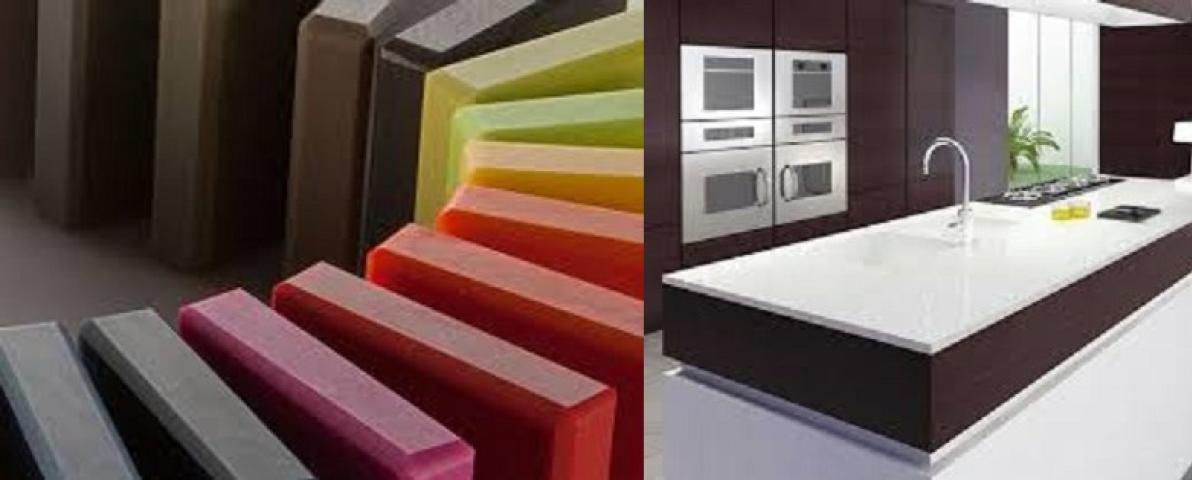
Typically available in standardized sheet formats, the acrylic solid surface sheet comes in varying thicknesses, lengths, and widths—tailored for multiple applications. Most commonly, you’ll find sheets ranging between 6mm to 19mm in thickness, depending on usage, whether it's vertical wall cladding or heavy-duty countertops.
One of the standout features of an acrylic solid surface sheet is its ability to be joined with an inconspicuous seam, giving the illusion of one single continuous surface. This not only enhances the visual appeal but also makes cleaning and maintenance simpler.
In environments like hospitals, retail counters, and modular kitchens where hygiene and aesthetics are equally important, this seamless joinery becomes a major advantage.
Acrylic for Countertops: A Favorite for a Reason
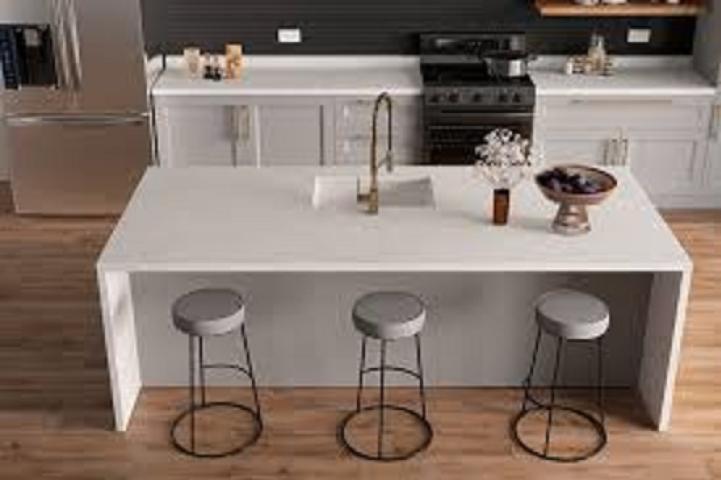
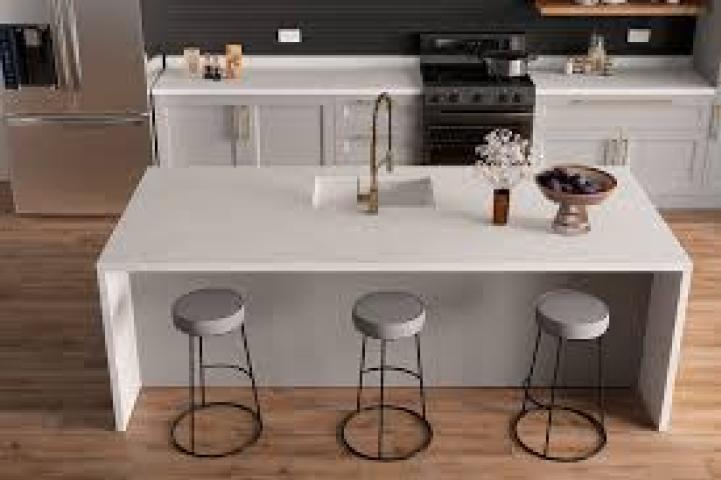
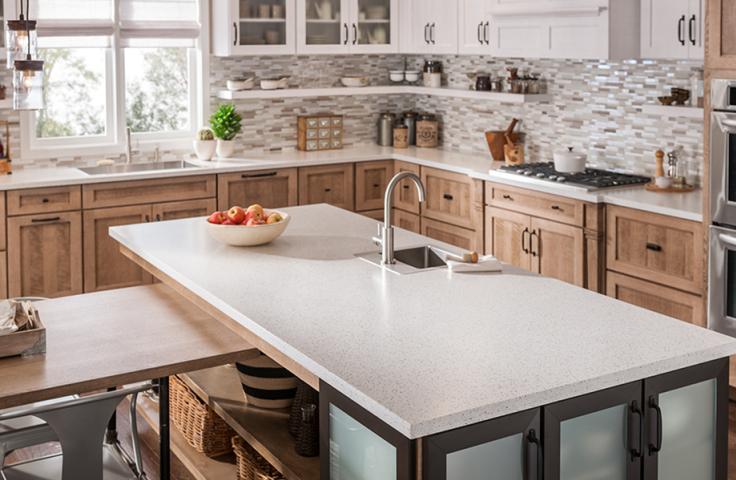
Choosing acrylic for countertops is a smart decision for both residential and commercial settings. The reasons are many:
Repairability: Unlike natural stone, acrylic can be sanded and refinished in case of scratches or light burns.
Stain Resistance: The non-porous nature of the material prevents stains and bacterial growth.
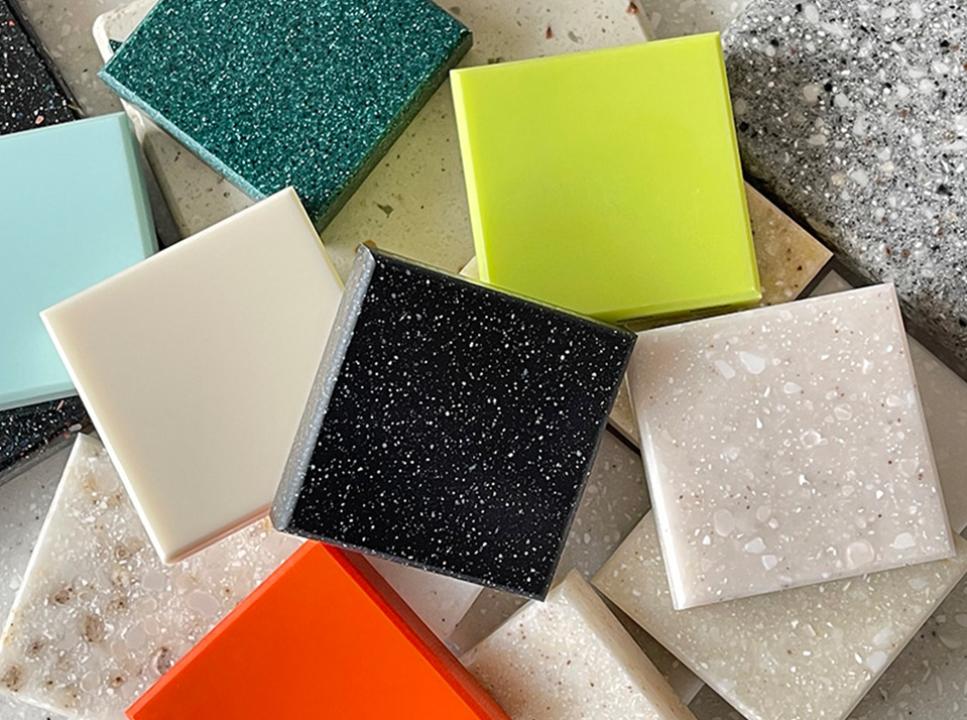
Color & Texture Variety: It’s available in a vast range of shades, textures, and finishes—from marble-look whites to bold solid colors.
The customizability of acrylic for countertops means you can easily achieve the exact look and performance you envision. It's especially preferred in kitchens and bathrooms where function meets frequent use.
Looking to redesign your kitchen, retail space, or workspace? Connect with us for samples, technical data, or pricing details.
Design Specifications and Versatility
When planning a design using acrylic solid surface, it's important to consider its unique fabrication properties. The material is compatible with CNC routing, thermoforming, and even engraving—allowing for layered textures, patterns, and visual interest that’s hard to replicate with other surfaces.
For designers and architects, this opens up endless opportunities to experiment with form, light, and texture. Backlit installations using translucent acrylic solid surface sheet have gained popularity for hospitality and luxury retail spaces, bringing in a sophisticated play of depth and illumination.
Moreover, its compatibility with multiple substrates like plywood or MDF makes it easy to integrate with existing construction.
What About the Price?
One of the most commonly asked questions is about the acrylic solid surface sheet price—and the answer depends on multiple factors.
Brand, sheet thickness, design (solid color, patterns, translucency), and country of origin all influence the cost. On average, acrylic solid surface sheet price in India can range from ₹400 to ₹1200 per square foot, depending on customization and project scale.
While it may seem higher compared to laminates or tiles, the long-term benefits in terms of hygiene, longevity, and premium finish make it a worthwhile investment. Also, considering its repairability and minimal maintenance requirements, the overall life cycle cost tends to be lower than that of stone or ceramic alternatives.
Need a customized quotation for your space or bulk order details? Reach out to us, and we’ll help you with the most competitive pricing.
Applications Across Sectors
The usage of acrylic solid surfaces goes far beyond residential kitchens. Its clean, professional look and robust performance have made it a favorite in various sectors:
Healthcare: Seamless surfaces mean better hygiene control in operation theatres and clinics.
Retail: Ideal for display counters, signage, and point-of-sale desks.
Hospitality: Frequently used for vanities, bar counters, and reception desks.
Corporate: Elegant, curved conference tables and pantries made with acrylic solid surface elevate workspace aesthetics.
Maintenance and Longevity
One of the reasons clients consistently return to this material is its user-friendliness. Cleaning requires nothing more than a soft cloth and a mild detergent. There’s no need for periodic sealing or polishing—unlike with marble or granite.
Even if the surface gets slightly scratched or loses its sheen, a quick sanding or buffing session restores its original look. That kind of resilience is difficult to find in natural alternatives.
Final Verdict: Why Acrylic Solid Surfaces Stand Out
Choosing the acrylic solid surface isn’t just about picking a material—it’s about making an intelligent, future-ready design choice. Its exceptional balance between form and function allows you to create interiors that are not only beautiful but also built to last.
Whether you're renovating a small bathroom vanity or planning a high-end corporate reception area, the versatility of acrylic solid surface sheet ensures you never have to compromise between aesthetics and performance.
Still exploring materials for your next interior project? Connect with us for expert guidance, samples, or design inspiration.
Conclusion
The evolution of interior surfaces has brought many materials to the forefront, but the acrylic solid surface continues to lead due to its adaptability, elegance, and technical strengths. From countertops to vertical walls and customized installations, it’s a surface that shapes your vision into reality—smoothly, seamlessly, and with striking finesse. Contact us to know more : https://www.tranquilglobal.com/contact-us.html