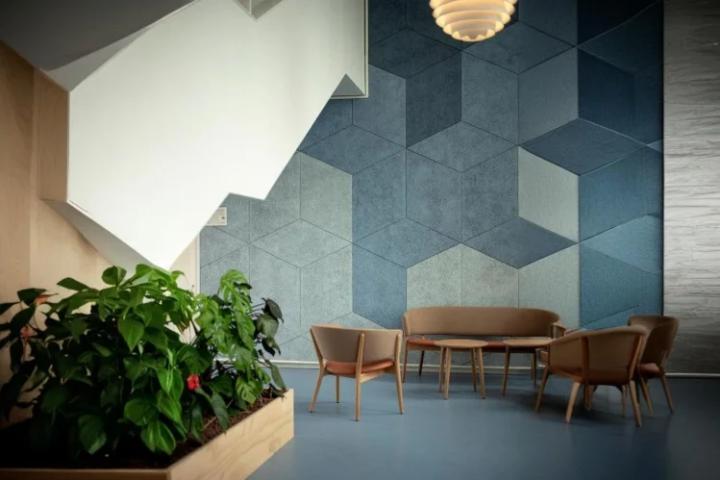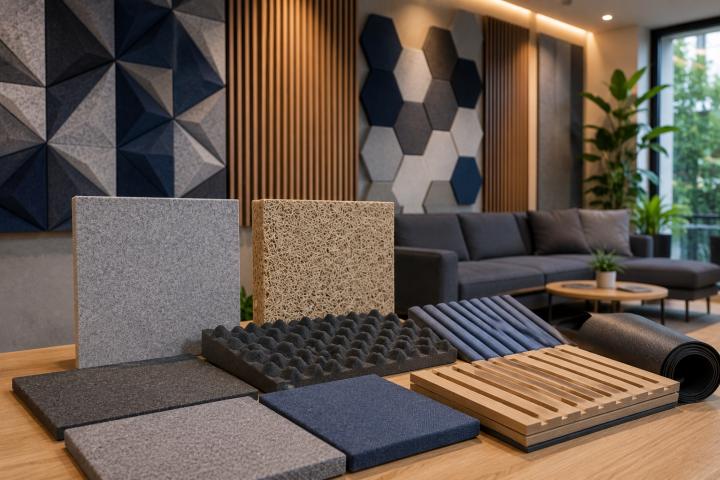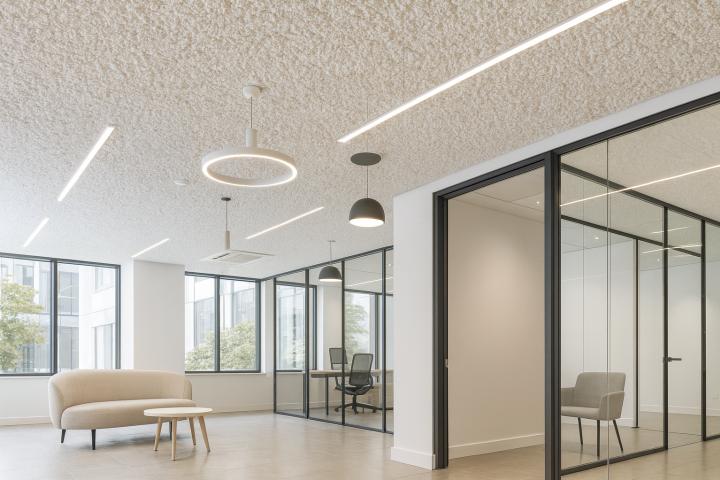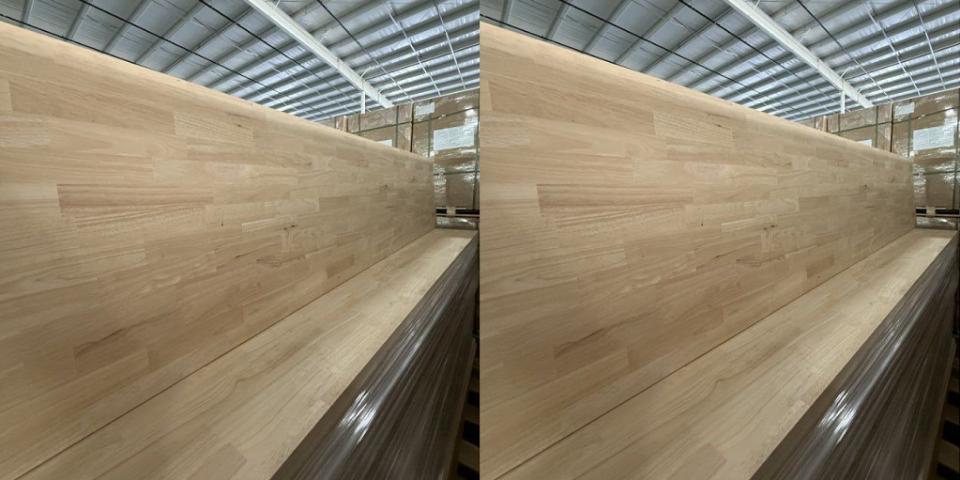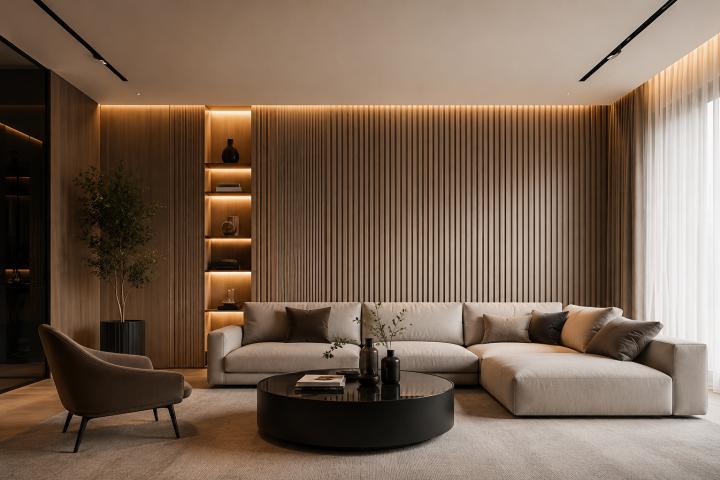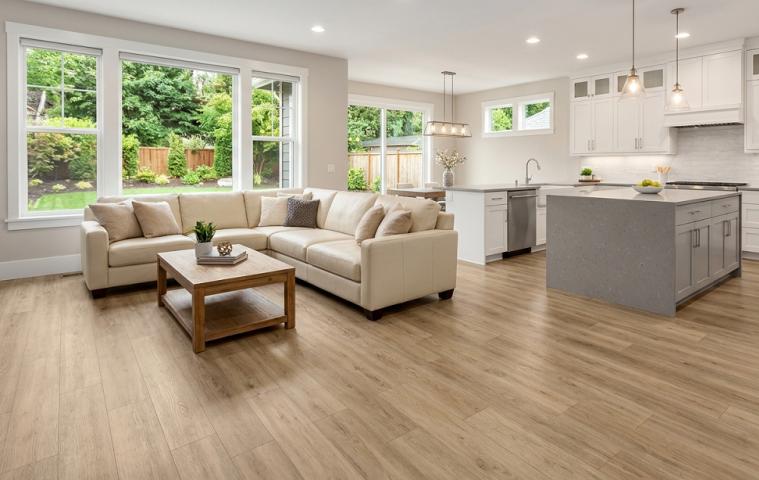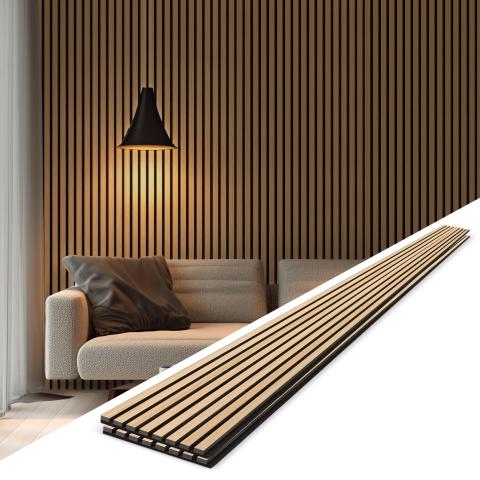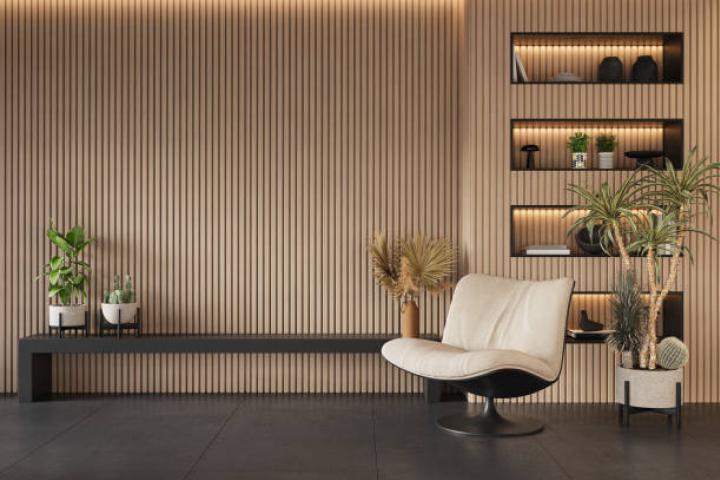
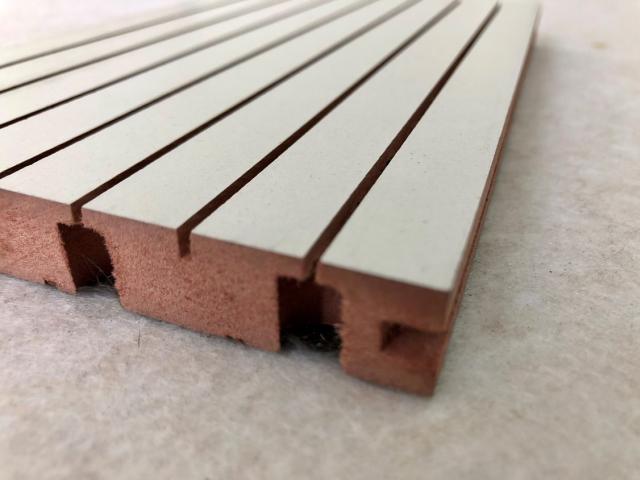
Wooden acoustic panels are more than decorative additions. They embody warmth and absorb sound. Whether in lounges or learning spaces, they replace cold echoes with character. Wood acoustic paneling transforms plain verticals into rhythm and relief. Light-grained panels invite brightness. Dark veneers give a grounded feel with added depth.
In parallel, acoustic wood panels tune the atmosphere. They absorb flutter echoes, manage high-pitched reflections, and make speech clear. Their textured design does more than decorate—it balances room tone. Design meets function in every grain and groove.
Did You Know?
Fun Fact: Wood has been used for sound control since the 6th-century amphitheaters. Even ancient temples used grooved walls for natural echo management.
Natural Beauty that Works
Wood acoustic paneling isn't just beautiful. It's calming. The organic lines of each panel engage the senses. Rooms with wooden acoustic panels feel closer to nature. This ties directly to biophilic design. This is now a hot architectural trend. These spaces reduce anxiety and improve productivity.
But it’s more than aesthetic. Acoustic wood panels diffuse and dampen sound. They allow rooms to breathe. Voice clarity improves, without killing atmosphere. Schools, co-working hubs, cafés, every space can benefit from wood that listens.
Real-world Insight
A study from University of Salford found that wood-based acoustic solutions reduced perceived stress by 28% in office environments.
Craft with Precision
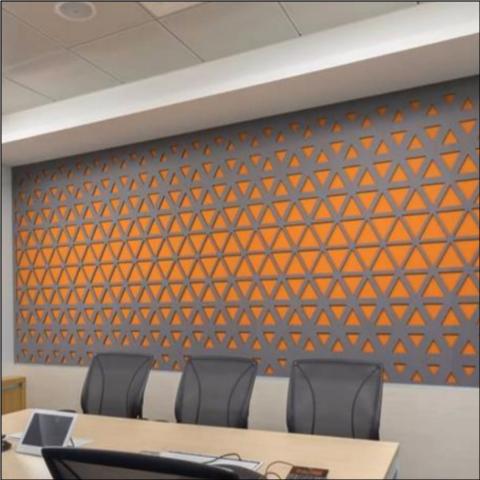
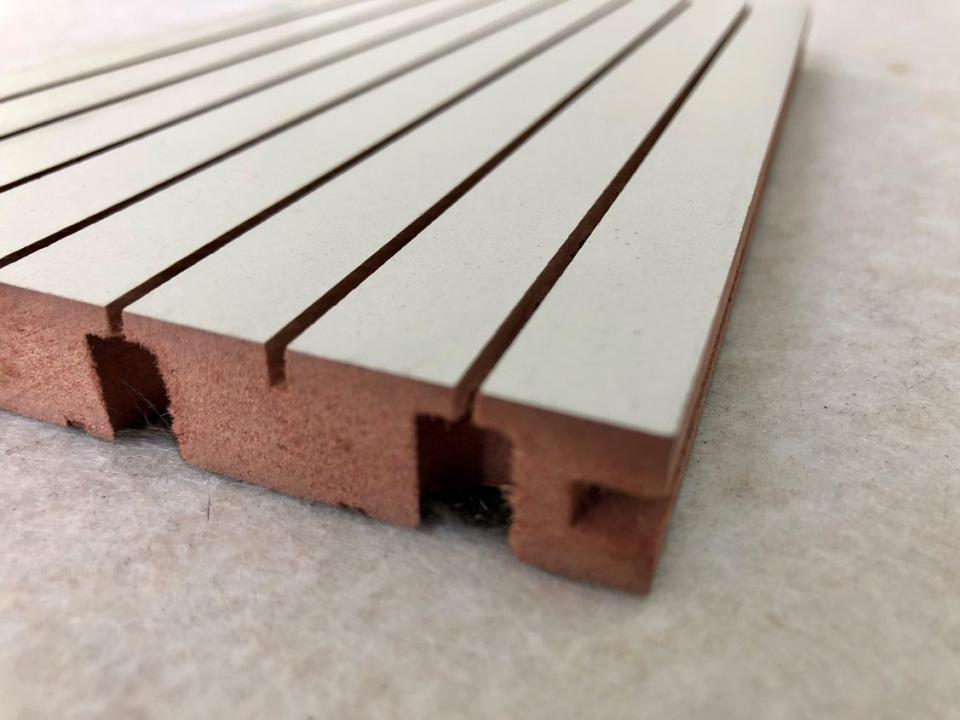
Craftsmanship is key. Slatted, perforated, or ribbed—acoustic wood panels are shaped to scatter sound waves across different frequencies. Each surface helps avoid hotspots or sonic dead zones. With wood acoustic paneling, you get control without clutter.
These panels install efficiently. Wooden acoustic panels are often factory-finished. Seamless fit, no hardware visible. No damage to aesthetic. Just clean installation. The results feel built-in, not added on.
The Role of Geometry!
Slats arranged vertically enhance vertical diffusion. Horizontal lines spread sound laterally. Alternating angles cancel echoes across multiple axes.
Materials that Fit Every Design
You don’t need to use solid hardwood. Veneers on MDF or birch ply make acoustic wood panels accessible. They replicate tone while keeping costs manageable. They also provide stability. Expansion and contraction are minimized in composite cores.
These still qualify as wood acoustic paneling and meet acoustic standards. Designers love this because even high-humidity or busy zones—like gyms or airports—can feature natural grain without fear of warping.
Good to Know
FSC-certified veneers are common in today’s wooden acoustic panels. That ensures sustainable forestry and eco-conscious building.
Strategic Acoustic Control
Sound doesn’t need to be fully silenced—it just needs shaping. Wooden acoustic panels are placed near ceilings, hallways, and reflective walls. That cuts slapback and flutter. Spaces retain liveliness but lose the harshness.
Pairing panels with textiles amplifies absorption. A rug below and acoustic wood panels above can handle a wide sound spectrum. Crisp voices. Soft ambiance. Reduced fatigue. That makes these panels powerful yet invisible assets in performance design.
Interesting Statistic
According to Acoustic Society of America, well-placed wood panels can reduce echo decay by up to 40% without affecting brightness.
Visual Rhythm in Layout
Wood acoustic paneling offers rhythm through repetition. Alternating slats, perforation patterns, angles, all of them create motion. Your eye follows the line. Your ear experiences space.
The pattern also helps sound bounce intentionally. In studios or offices, this leads to focused zones. In restaurants, it creates intimacy. With wooden acoustic panels, layout choices become both visual art and sonic strategy.
Panel Play in Design
Slatted designs can reflect corporate identity—verticals suggest formality, diagonals convey movement, curves soften space.
Seamless Integration with Technology
In modern interiors, acoustic wood panels don’t work alone. They conceal speakers, lights, sensors. Some even house air diffusers or smart acoustic sensors. This makes them ideal for smart homes, high-end conference rooms, or interactive exhibits.
Even then, wood acoustic paneling hides everything behind natural beauty. Panels function, but they don’t reveal the complexity beneath. That minimalism keeps the focus on space and sound.
You Must Know This!
Some panels now feature hidden cable runs or magnet-based removal systems, allowing access to wiring or tech updates without tools.
Sustainable Solutions That Last
Today’s wooden acoustic panels are made with greener materials. From recycled content to low-VOC finishes, sustainability is at the forefront. Most acoustic wood panels meet LEED and WELL Building certification needs.
Even veneer-based wood acoustic paneling contributes to carbon-conscious design. It saves on hardwood consumption while maintaining premium aesthetics. It’s a quiet commitment to sustainability—literally.
Eco Snapshot
A standard panel made with recycled MDF and low-formaldehyde adhesive saves 2.8kg of CO₂ compared to virgin material boards.
Installation Made Easy
Quick installation is another perk. Acoustic wood panels often snap into pre-designed track systems. No drilling required. Alignment stays perfect. Surfaces stay clean. And adjustments later are painless.
Even full-room retrofits with wood acoustic paneling are possible in a weekend. Professional installers or advanced DIYers can mount them with standard tools. Longevity and repairability remain high.
Fun Fact
Magnetic mounting systems now allow rotating panels in multi-use rooms, changing both acoustics and aesthetics in seconds.
Everyday Applications that Impress
In a wine bar in Oregon, wooden acoustic panels were used as part of a ceiling grid. Patrons praised the warmth, unaware that the hum of conversation had been controlled. At a university library, a full wood acoustic paneling wall turned an echo-filled reading room into a soft, contemplative space. Students lingered longer, focus improved, and ambient volume fell by 12 decibels.
Final Recap
Wooden acoustic panels offer a dialogue between form and function. They quieten while they beautify. They listen while they lead design. Acoustic wood panels show that silence doesn’t need to be sterile.
Whether you're building a recording studio, cozy café, or sleek home theater, wood acoustic paneling delivers harmony between sound and space. Let grain guide mood. Let texture tell your acoustic story.Scroll up the website : https://www.tranquilglobal.com/index.html