
Introduction: A Dairy Industry at the Crossroads of Technology and Trust
The global dairy market, valued at $871 billion in 2024, is projected to surpass $1.2 trillion by 2032. Yet, the industry grapples with issues like fraudulent labeling, inconsistent quality, and growing compliance demands. According to the Food and Agriculture Organization (FAO), up to 20% of dairy products in certain regions are misrepresented, while consumer trust in food labeling has dipped by over 30% in the last decade.
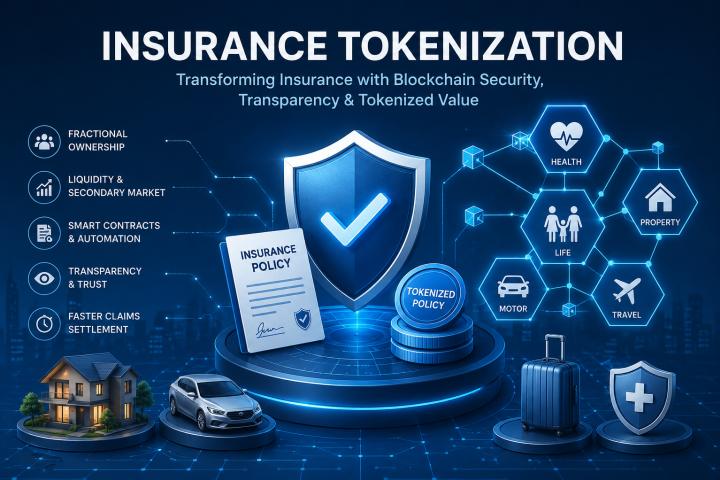
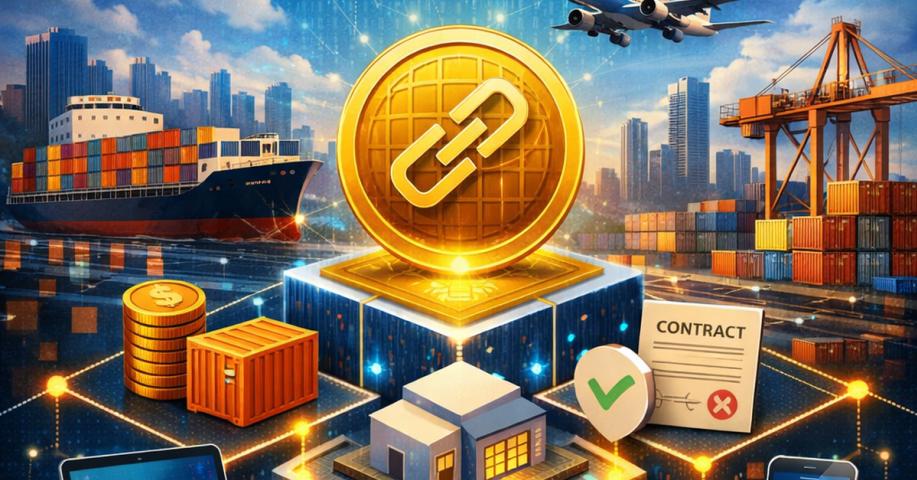
This is where dairy tokenization — powered by asset tokenization — enters the scene. By transforming each unit of dairy into a unique, verifiable digital token on a blockchain, stakeholders can guarantee authenticity, traceability, and compliance. The result? A transparent supply chain that boosts consumer confidence and safeguards brand reputation.
What is Asset Tokenization?
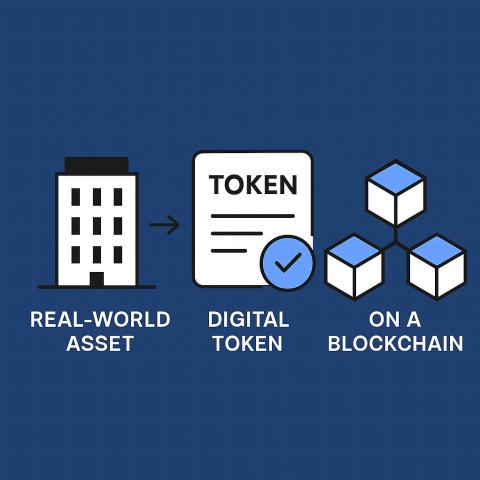
Asset tokenization is the process of converting real-world assets — like milk, cheese, or yogurt — into digital tokens recorded on a blockchain. Each token stores vital information about the product, including:
Farm origin and production details
Quality control and testing data
Transportation and storage conditions
Compliance and certification records
Once data is added to the blockchain, it’s immutable — meaning it cannot be altered, ensuring trust and accuracy.
Understanding Dairy Tokenization
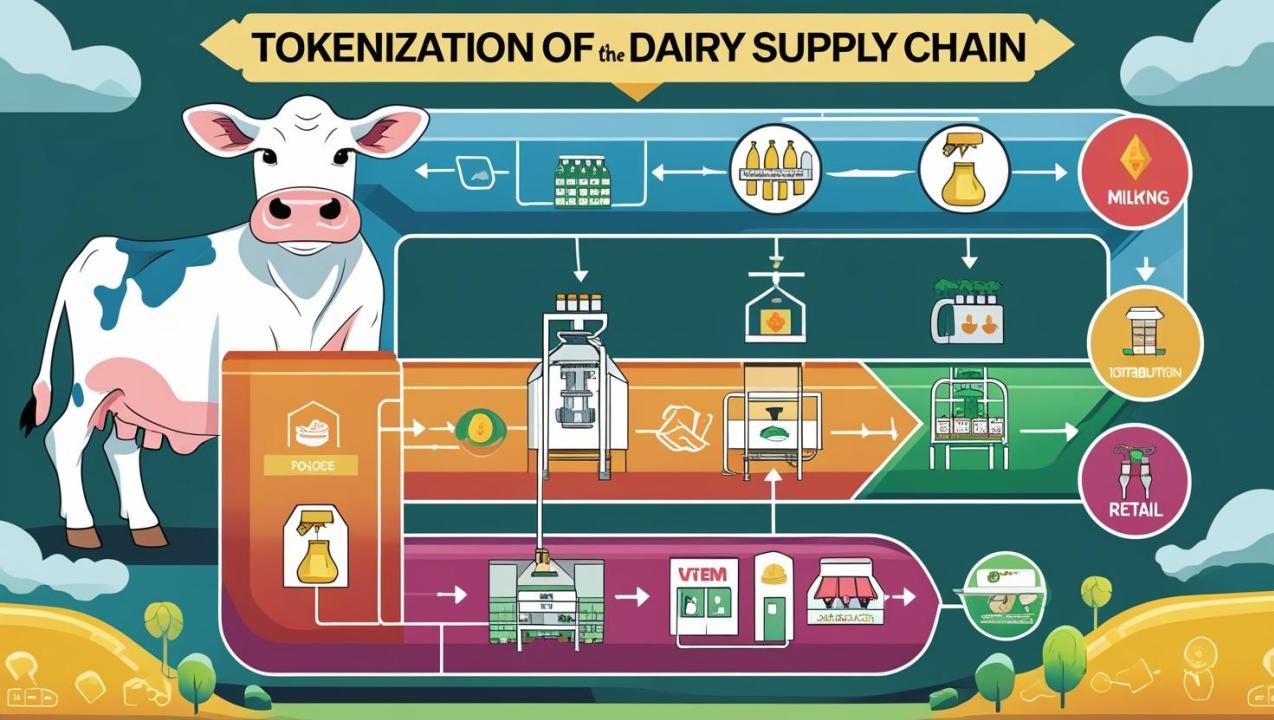
Dairy tokenization applies the concept of asset tokenization directly to dairy products. Every carton, bottle, or batch gets a unique digital identity, allowing real-time tracking from farm to fridge.
Here’s how it works:
-
Farm-Level Data Capture – IoT sensors track milking conditions, animal health, and storage temperature.
-
Blockchain Token Creation – Each dairy batch is assigned a unique token containing detailed metadata.
-
Supply Chain Integration – Transportation, processing, and packaging updates are logged in real time.
-
Consumer Access – Shoppers scan a QR code to verify authenticity and product history.
Fact Check: IBM’s blockchain trials in food supply chains cut traceability time from 6 days to 2.2 seconds, proving the efficiency of token-based systems.
Why Tokenizing Dairy Matters Now
1. Enhancing Quality Assurance
Quality checks become verifiable and permanent. If a batch fails inspection, it’s flagged instantly, preventing contaminated products from reaching shelves.
2. Meeting Compliance Requirements
With global food safety standards tightening, tokenization ensures regulatory compliance by storing inspection results and certifications securely.
3. Building Consumer Trust
A Label Insight survey found that 94% of consumers are more loyal to brands that offer full transparency. Dairy tokenization offers exactly that — instant proof of authenticity.
4. Fighting Fraud and Counterfeiting
The blockchain’s immutability makes it nearly impossible to forge product information, reducing the risk of fake dairy products entering the market.
Blockchain: The Backbone of Dairy Tokenization
Blockchain provides the secure, transparent, and decentralized infrastructure needed for tokenization. Its key strengths include:
Security – Cryptographic encryption protects data from tampering.
Transparency – All participants can view the same verified data.
Automation – Smart contracts automate processes like payments or quality approvals.
Platforms like IBM Food Trust, VeChain, and Hyperledger Fabric are already enabling tokenized supply chains for various food sectors, with dairy next in line.
Tokenization and Sustainability
The dairy industry faces mounting pressure to reduce its environmental impact. By linking carbon footprint data to dairy tokens, companies can:
Monitor greenhouse gas emissions from feed to processing.
Track water and energy usage per batch.
Share sustainability reports with regulators and consumers.
This promotes eco-conscious consumer choices and helps brands meet ESG (Environmental, Social, Governance) goals.
Challenges to Adoption
While promising, dairy tokenization has hurdles:
High Initial Costs – Implementing blockchain and IoT systems requires investment.
Technical Training – Farmers and processors must adapt to new tools.
Platform Compatibility – Interoperability between blockchain solutions is still evolving.
Despite these challenges, growing blockchain adoption and decreasing tech costs are making tokenization increasingly viable.
The Road Ahead: Dairy Tokenization by 2030
Industry forecasts suggest:
50% of global dairy exports will adopt blockchain tracking by 2030.
Smart contracts will handle automatic supplier payments based on delivery verification.
Carbon footprint labeling will become mandatory in multiple markets.
Tokenization will shift from a competitive edge to an industry standard for quality, compliance, and transparency.
Advantages of Dairy Tokenization at a Glance
Improved Quality Control – Data-backed verification at every stage.
Regulatory Compliance – Automated and verifiable record-keeping.
Consumer Confidence – Instant access to authentic product information.
Fraud Prevention – Immutable records protect against counterfeiting.
Operational Efficiency – Faster traceability, fewer delays, and reduced paperwork.
FAQs
Q1: What’s the main difference between asset tokenization and dairy tokenization?
Asset tokenization is the digital representation of any real-world asset, while dairy tokenization applies this specifically to dairy products like milk, cheese, and yogurt.
Q2: Is dairy tokenization only useful for large corporations?
No. Small and mid-sized dairy producers can use tokenization to gain trust and compete in premium markets.
Q3: Does tokenization make dairy more expensive?
While setup costs exist, efficiency gains and fraud prevention can lead to long-term savings.
Final Word: From Farm to Fridge with Trust
Dairy tokenization represents more than a technological upgrade — it’s a commitment to quality, compliance, and consumer confidence. By leveraging asset tokenization and blockchain, the industry can eliminate fraud, streamline compliance, and give consumers the transparency they demand.
As this innovation spreads, tokenization will become the backbone of a dairy sector that’s smarter, safer, and more sustainable. The future of dairy is digital — and tokenized.