Road safety is one of the most crucial
aspects of any country’s transportation system, and in India, where roads are
bustling with vehicles, pedestrians, and cyclists, proper traffic management
plays an essential role. A traffic signal is not just a light that turns red,
yellow, or green; it is a vital control mechanism that helps prevent accidents,
reduce chaos, and streamline movement.
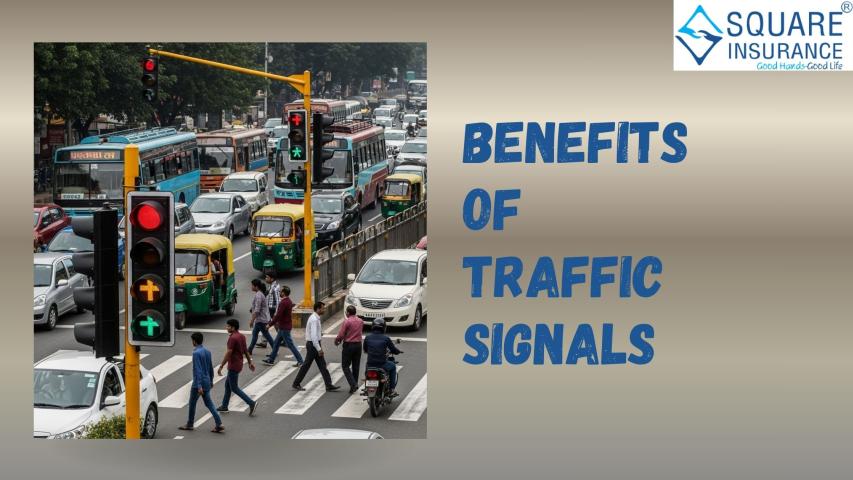
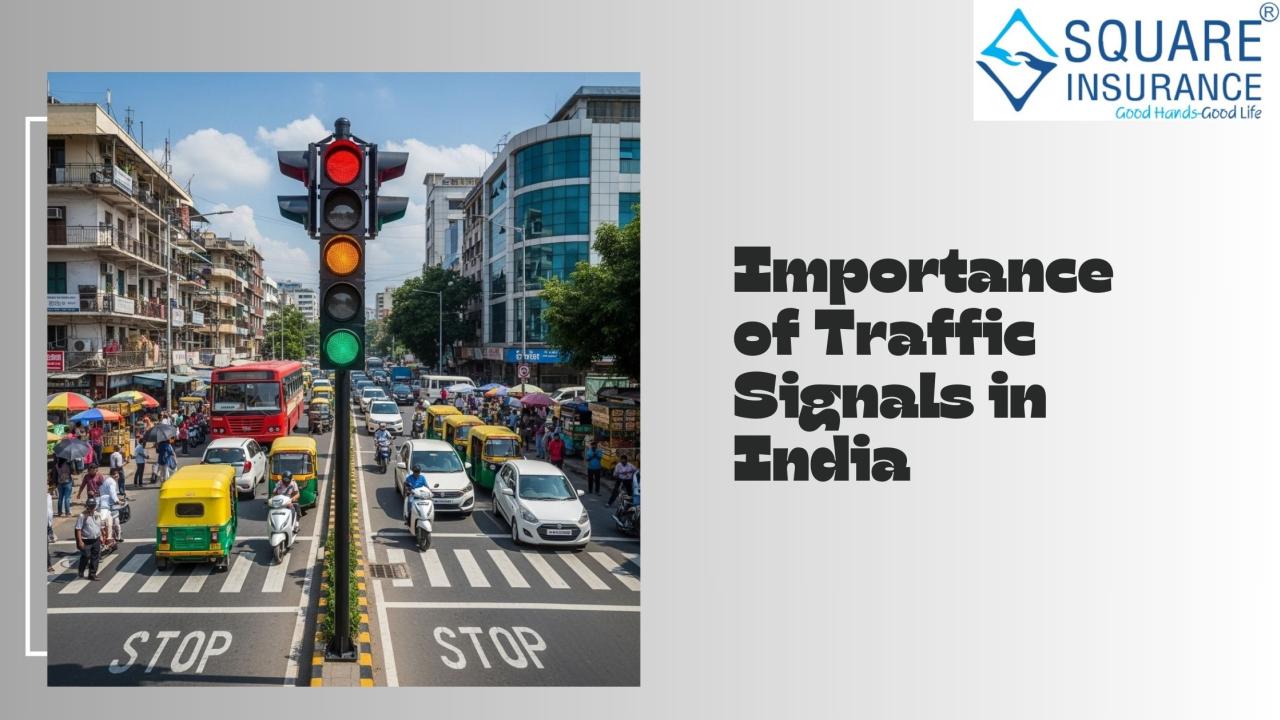
Traffic signal in India systems are designed to regulate flow,
protect lives, and ensure discipline on the roads.
Understanding the Role of Traffic Signals
In order to regulate traffic flow, traffic
signals are either humanly operated or automated devices that are positioned at
intersections and pedestrian crossings.
They provide clear instructions to drivers
and pedestrians, helping maintain order. Without these signals, high-density
traffic areas would quickly descend into confusion, leading to frequent
accidents and delays.
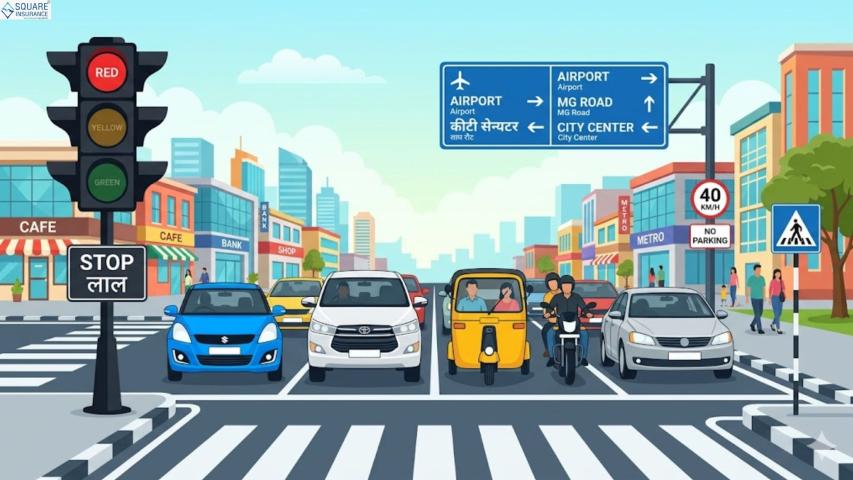
In India, traffic signals are generally
based on a standard color code – red for stop, yellow (amber) for caution, and
green for go. Over time, advanced technologies like timer-based signals,
sensor-based systems, and even adaptive traffic control have been introduced in
several cities to improve efficiency.
Importance of Traffic Signals for Road Safety
The importance of traffic signals goes
beyond controlling vehicle movement. They are a safety barrier that protects
drivers, passengers, and pedestrians from potential hazards.
1. Preventing Accidents
One of the most important benefits of
traffic signals is accident prevention. By regulating the movement of vehicles,
signals ensure that conflicting traffic streams do not collide. For example, at
busy crossroads, without signals, vehicles from different directions might
attempt to cross simultaneously, causing collisions.
2. Managing Traffic Flow
In India’s crowded urban areas, traffic
congestion is a daily challenge. Signals help manage this by allowing vehicles
from each direction to move in an organized sequence. This not only reduces
delays but also keeps traffic moving steadily.
3. Ensuring Pedestrian Safety
Pedestrians are among the most vulnerable
road users. Traffic lights equipped with pedestrian signals give them safe
crossing times, reducing the risk of accidents. In many Indian cities,
countdown timers are also installed so pedestrians know how much time they have
to cross.
4. Encouraging Discipline Among Drivers
Drivers are taught discipline and responsibility by traffic lights.By obeying
the lights, drivers contribute to safer roads and smoother traffic movement.
Repeated violations can lead to fines, license suspension, or other penalties.
5. Supporting Emergency Services
In modern traffic management, signals can be adjusted to prioritize the movement of emergency vehicles like ambulances, fire engines, and police cars. This helps them reach their destinations faster without being stuck in traffic.
Types of Traffic Signals in India
India uses various types of traffic
signals, each serving a specific purpose.
1. Fixed-Time Signals
These operate on a pre-set cycle and change
at fixed intervals regardless of traffic volume. They are common in smaller
towns or areas with consistent traffic flow.
2. Vehicle-Actuated Signals
These use sensors to detect vehicle
presence and adjust the signal timing accordingly. They are more efficient in
areas with fluctuating traffic volumes.
3. Pedestrian Signals
These signals are specifically designed to
give pedestrians safe crossing opportunities, often accompanied by audible
tones for visually impaired individuals.
4. Flashing Signals
Flashing yellow indicates to slow down and
be vigilant, while flashing red indicates to halt and proceed carefully.These
are often used in less busy intersections or during nighttime.
Challenges in Maintaining Traffic
Signals in India
Despite their importance, traffic signals
in India face several challenges:
- Power outages: In many areas, power
cuts can disrupt signal operations.
- Maintenance issues: Damaged lights,
faulty timers, or broken sensors can reduce effectiveness.
- Lack of public compliance: Some
drivers ignore signals, especially during low traffic hours.
- Overcrowding and road design issues: Poorly designed intersections can make even functional signals
less effective.
Addressing these challenges requires both
infrastructure investment and public cooperation.
Role of Public Awareness in Effective Signal Use
Traffic signals can only be effective if
people follow them. Public awareness campaigns, school education programs, and
stricter enforcement of rules are crucial. In recent years, Indian traffic
police departments have started using social media, digital signboards, and
public service ads to spread awareness about the importance of obeying signals.
Technological
Advancements in Indian Traffic Signals
Technology is transforming traffic management
in India:
- Adaptive Traffic Control Systems (ATCS): Adjust signal timing based on real-time traffic data.
- Solar-Powered Signals: Reduce
dependency on conventional electricity and ensure uninterrupted operation.
- Smart Pedestrian Crossings: Include
motion sensors and automatic lighting for better safety.
- Integration with Surveillance Cameras: Helps monitor violations and automatically issue challans.
These innovations aim to make signals more
reliable, eco-friendly, and responsive to changing road conditions.
How Traffic
Signals Contribute to a Safer India
When used effectively, traffic signals:
- Minimize the risk of accidents.
- Reduce traffic congestion.
- Protect pedestrians and cyclists.
- Help emergency services respond quickly.
- Promote road discipline and cooperation.
In a country as large and diverse as India,
signals play a crucial role in keeping daily life moving smoothly.
FAQs: Frequently Asked Questions
Q1. What is the primary purpose of traffic signals?
Traffic signals control the flow of vehicles and pedestrians to prevent accidents, reduce congestion, and ensure orderly movement on roads.
Q2. Why are traffic signals especially important in India?
India has high traffic density, mixed vehicle types (cars, bikes, buses, auto-rickshaws), and heavy pedestrian movement. Traffic signals help manage this complex flow and reduce chaos at intersections.
Q3. How do traffic signals improve road safety?
They give clear right-of-way instructions, reduce the risk of collisions, and separate vehicle and pedestrian movements to prevent accidents.
Q4. What happens if drivers ignore traffic signals?
Ignoring signals can cause collisions, pedestrian injuries, and traffic jams. It also leads to penalties under the Motor Vehicles Act.
Q5. Are traffic signals useful at night or during low traffic hours?
Yes. Even at low traffic volumes, signals prevent speeding and ensure that all road users, including pedestrians, can cross safely.
Conclusion
Traffic signals in India are more than just
lights; they are lifesaving tools that bring order to potentially chaotic
roads. From preventing accidents to ensuring pedestrians cross safely, they
serve as silent guardians of road safety. However, their effectiveness depends
on both technology and public behavior. While the government continues to
improve traffic management systems, every road user must take personal
responsibility to follow signals. By doing so, we can reduce accidents, improve
travel times, and create safer roads for everyone.
In the end, road safety is a shared duty, and respecting traffic signals is one of the simplest yet most powerful ways to fulfill it.