When you invest in sound control for your space, the last thing you want is to feel like the solution isn’t working as expected. Many people turn to acoustic spray, acoustic spray foam, or acoustic spray paint, thinking it will instantly silence noise or deliver cinema-like quietness. While these materials are designed to reduce echo, improve acoustics, and provide comfort in different environments, sometimes the results don’t meet expectations.
If you’ve recently applied spray foam sound insulation or used an acoustic spray paint and still notice issues, it doesn’t necessarily mean the product is faulty. In many cases, the problem lies in application methods, unrealistic expectations, or mismatched use cases. Let’s explore why your acoustic solution might not be working and how you can fix it.
Understanding How Acoustic Spray Works
Before troubleshooting, it’s important to know what acoustic spray is designed to do. Unlike traditional insulation, which primarily addresses thermal comfort, acoustic sprays are formulated to reduce reverberation and absorb sound waves.
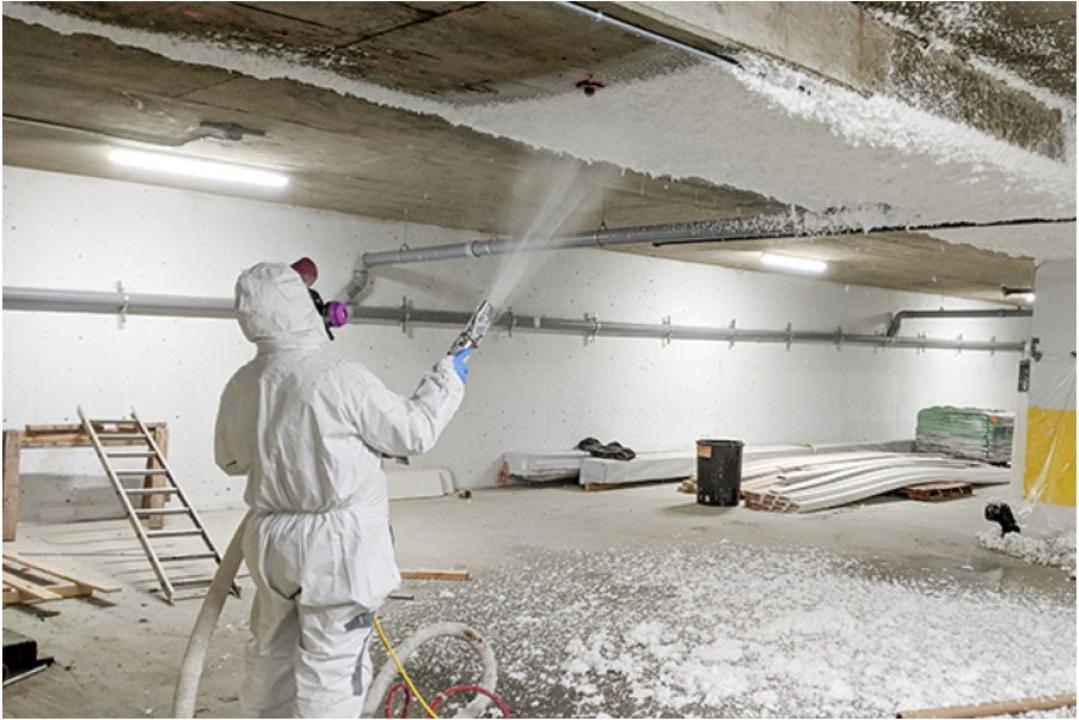
Acoustic spray foam is thicker, expands into gaps, and helps control noise transmission through walls, ceilings, and cavities.
Acoustic spray paint, on the other hand, is thinner and works best for controlling surface-level echo and improving sound quality in a room, rather than blocking external noise.
Knowing this distinction helps in setting the right expectations. If you’re expecting complete soundproofing from a simple spray application, you may feel disappointed.
Common Reasons Why Acoustic Spray Doesn’t Work
1. Expecting Soundproofing Instead of Sound Absorption
One of the biggest misconceptions is assuming that a coat of acoustic spray paint or acoustic spray foam will completely block outside noise. In reality, these materials are designed to absorb and reduce reflections inside a space, not fully eliminate sound transmission. For soundproofing, a combination of denser barriers, layered materials, and specialized construction techniques is required.
2. Incorrect Application Technique
If the spray hasn’t been applied evenly or at the recommended thickness, its performance will be compromised. Spray foam sound insulation requires proper coverage across gaps and cracks, while acoustic spray paint must be layered in the right consistency. Skipping instructions or rushing through applications often leads to underperformance.
3. Choosing the Wrong Type of Spray
Each spray has its own strength. Acoustic spray foam is excellent for structural insulation, whereas acoustic spray paint is more effective in open areas like conference rooms, studios, or classrooms where echoes are the problem. Using one in place of the other without considering the environment will limit results.
4. Ignoring the Surrounding Surfaces
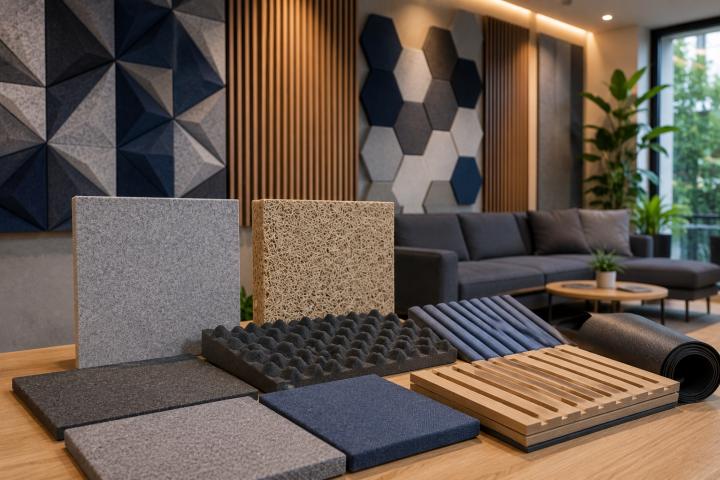
Even the best acoustic spray won’t work if the surfaces around it are highly reflective, such as glass walls, marble floors, or metal ceilings. Sound waves bounce off hard surfaces, and unless treated holistically, they will continue to cause echo and discomfort. A balanced acoustic design often combines sprays with panels, baffles, or softer materials.
5. Insufficient Layering or Coverage
Sometimes, a single application isn’t enough. For example, acoustic spray paint may require multiple coats depending on the size of the room and its intended use. Likewise, spray foam sound insulation must be applied thickly enough to fill voids and gaps completely.
Fixes You Can Try
If your acoustic treatment isn’t giving you the expected results, here are some practical steps:
Reassess Your Needs
Decide whether you are looking for sound absorption (reducing echo) or soundproofing (blocking noise from outside). If it’s the latter, acoustic spray alone may not be sufficient, and you’ll need to combine it with additional solutions.Check the Application Quality
Ensure the spray was applied according to the manufacturer’s instructions. Uneven coverage or thin layers can drastically reduce effectiveness. In some cases, reapplication or adding additional layers might solve the issue.Combine with Other Materials
For best performance, integrate sprays with acoustic panels, fabric elements, or carpets to minimize sound reflections. Using sprays as a part of a larger solution rather than the only fix often delivers better results.Consult Professionals
If you’re unsure whether you’ve chosen the right type of acoustic spray foam or paint for your space, reaching out to specialists can save you time, effort, and cost in the long run.
Setting the Right Expectations
One of the most valuable things to understand is that acoustic treatments are not one-size-fits-all. Acoustic spray is excellent for controlling echoes in gyms, auditoriums, offices, and even homes, but it won’t magically make a noisy street disappear outside your bedroom window. Similarly, spray foam sound insulation is a powerful tool against sound leakage, but it has to be used correctly and paired with other design choices for maximum benefit.
If your project involves a workspace, a hospitality setting, or even a home theater, the right blend of sprays, panels, and surface treatments will create the experience you are looking for.
When to Seek Expert Guidance
If you’ve tried adjusting coverage or layering and still don’t see results, it may be time to talk to an acoustic consultant or supplier. Sometimes, the solution lies in customizing the approach based on your specific architecture and requirements.
Connect with us if you require acoustic spray, acoustic spray foam, or any other sound treatment materials—we can guide you through product selection and application best practices.
Final Thoughts
Acoustic sprays—whether acoustic spray paint or spray foam sound insulation—are powerful tools when used correctly and in the right context. If yours isn’t working, it’s often a matter of understanding the difference between absorption and blocking, ensuring proper application, or combining sprays with other sound treatment strategies.
Rather than seeing it as a failed investment, look at it as a step in the bigger journey of achieving the right sound environment. Need help choosing the right acoustic solution for your project? Connect with us, and we’ll recommend what fits your space best. https://www.tranquilglobal.com/contact-us.html