Traffic signals are an essential part of road safety in
India. They control the movement of vehicles and pedestrians, reduce accidents,
and ensure smooth traffic flow in busy cities and highways. Whether you are a
new driver or an experienced one, understanding traffic signal rules is crucial
for your safety and for avoiding legal penalties. In this article, we will
explain the key rules related to traffic signals in India in simple and
easy-to-understand language.
Why Traffic Signals Are Important
Traffic signals play a vital role in maintaining order on
the roads. Here are a few reasons why following traffic signal rules is
important:
- Safety
for Everyone: Traffic lights prevent collisions at intersections and
pedestrian crossings.
- Smooth
Traffic Flow: Signals help manage heavy traffic, reducing congestion
and delays.
- Legal
Requirement: Following traffic signals is mandatory under the Motor
Vehicles Act, and violations can lead to fines or penalties.
- Protection
for Pedestrians: Traffic signals ensure that pedestrians can cross
roads safely.
Understanding these benefits makes it clear why obeying
traffic signals is not optional, it is necessary for everyone’s safety.
Types of Traffic Signals in India
Traffic signals in India are categorized based on color and
purpose. Knowing what each signal means is the first step to following the
rules correctly.
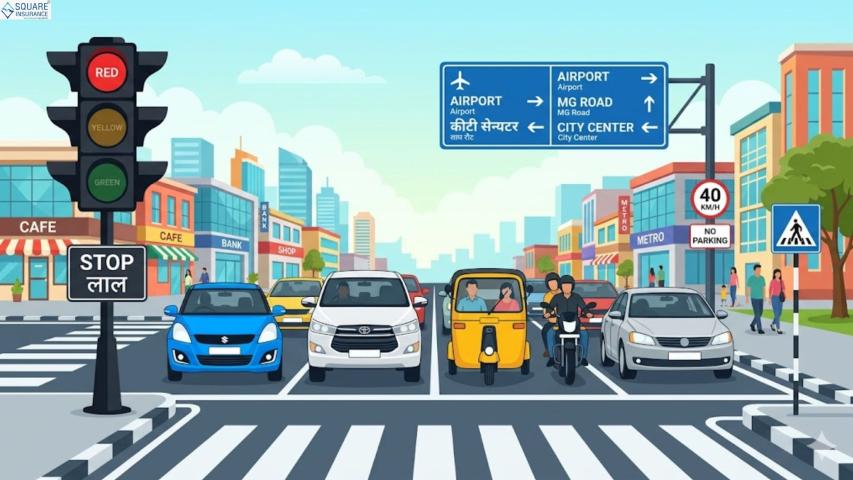
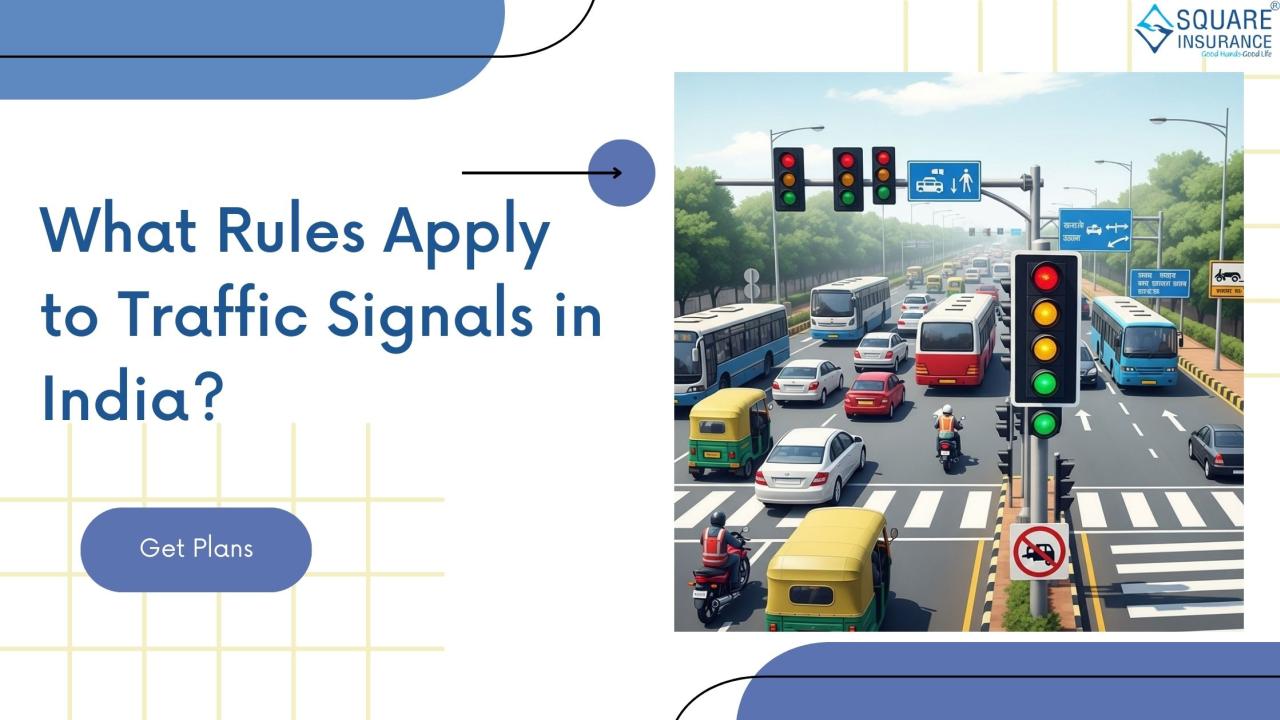
1. Red Signal
The red light is the most important signal. It means stop.
Vehicles must not move forward when the signal is red, and pedestrians should
not cross the road. Running a red light is considered a serious offense and can
lead to fines or even legal action in case of accidents.
2. Yellow (Amber) Signal
The yellow light means caution or prepare to stop. Drivers
should slow down and stop before the intersection if it is safe to do so. It is
a warning that the light is about to turn red. Pedestrians should avoid
starting to cross during a yellow light.
3. Green Signal
The green light means go. Vehicles can move forward, and
pedestrians can cross the road if it is safe. However, even when the light is
green, drivers must check for vehicles that might be violating rules from other
directions.
4. Flashing Signals
Some traffic lights may flash yellow or red.
- Flashing
Yellow: Proceed with caution. Be aware of other vehicles and
pedestrians.
- Flashing
Red: Stop completely, then proceed when safe.
Flashing signals are often used at intersections where
traffic density is lower or where temporary signals are installed.
Rules Drivers Must Follow at Traffic Signals
Following traffic signals is not just about stopping and
going, it involves several rules to ensure safety:
- Stop
at the Stop Line: Always stop your vehicle before the stop line marked
on the road when the signal is red. Crossing the stop line is a violation.
- Do
Not Jump Red Lights: Never cross the intersection when the light is
red. This is illegal and can cause accidents.
- Follow
Lane Discipline: Stay in your lane while waiting at a signal and do
not block other vehicles.
- No
Honking at Signals: Excessive honking creates noise pollution and can
distract other drivers.
- Pedestrian
Safety: Always give way to pedestrians at crossings, even if your
signal is green.
- Turn
Signals: Use indicators when turning at intersections, even if the
light is green.
Rules for Pedestrians at Traffic Signals
Traffic signal rules are not only for drivers, pedestrians
also have responsibilities:
- Wait
for Green Man Signal: Cross only when the pedestrian signal is green.
- Use
Designated Crossings: Always use zebra crossings or footpaths.
- Avoid
Jaywalking: Crossing roads without signals or outside designated areas
is dangerous and illegal.
- Be
Alert: Watch for turning vehicles even when the pedestrian signal is
green.
Following these rules ensures the safety of pedestrians and
reduces accidents on busy streets.
Special Signals and Rules
1. Right Turn Signals
Some intersections have separate signals for right turns.
Vehicles turning right must follow the specific light and should not turn when
the main signal is green for straight traffic.
2. Left Turn Rules
Similarly, left turns should be made only when allowed by
the signal. Always check for pedestrians and oncoming traffic before making the
turn.
3. Bicycle and Two-Wheeler Signals
Some cities have signals specifically for bicycles and
two-wheelers. These vehicles must obey these signals to avoid accidents and
ensure smooth traffic flow.
4. Emergency Vehicle Rules
Emergency vehicles like ambulances, fire trucks, and police
vehicles have the right of way. Drivers must give way even if the signal is
green in their direction.
Penalties for Violating Traffic Signal Rules
The Motor Vehicles Act in India specifies fines and
penalties for traffic signal violations. Some common consequences include:
- Fines:
Crossing a red light can attract fines up to a few thousand rupees
depending on the state rules.
- Points
Deduction: Violations may lead to points being deducted from your
driving license.
- Accident
Liability: If a violation leads to an accident, the driver may be held
fully responsible.
Following traffic signal rules not only keeps you safe but
also protects others on the road.
Tips for Safe Driving at Traffic Signals
- Stay
Alert: Always watch the traffic lights and be prepared to stop.
- Maintain
Distance: Keep a safe distance from the vehicle in front of you.
- Avoid
Distractions: Don’t use mobile phones or other distractions while
waiting or moving at signals.
- Observe
Other Drivers: Be cautious of drivers who may not follow the rules.
- Plan
Your Route: If possible, avoid congested intersections to reduce
waiting time.
How Technology Is Improving Traffic Signal Safety
India is gradually adopting smart traffic management
systems, including:
- Sensor-based
Signals: Adjust signal timing based on real-time traffic conditions.
- CCTV
Monitoring: Helps catch signal violators and improve compliance.
- Countdown
Timers: Shows remaining time for red or green light, reducing
confusion and panic stops.
These technologies are helping make roads safer and traffic
flow smoother.
Conclusion
Traffic signals are not just lights, they are rules that
protect lives, reduce accidents, and maintain order on the roads. Drivers must
obey red, yellow, and green signals, follow lane discipline, and be mindful of
pedestrians. Pedestrians, too, must follow the signals and use designated crossings.
Understanding and following traffic signal rules ensures the safety of everyone
on the road.
For those looking to protect themselves and their vehicles,
it is also wise to consider insurance coverage. Platforms like SquareInsurance can help you choose the right insurance plan, providing financial
security in case of accidents or emergencies. Following traffic rules and
having proper insurance together create a safer and more secure driving
experience.