
When designing or renovating a space, ceilings are often overlooked, even though they play a crucial role in shaping the ambiance, functionality, and comfort of any interior. While traditional ceilings have been a familiar choice for decades, the demand for acoustic ceiling panels has been steadily rising because of their performance, aesthetics, and ability to solve critical challenges like noise control. If you are considering an upgrade, it’s essential to understand how these two options differ and which one better suits your project.
Function Beyond the Finish
Traditional ceilings—whether plastered surfaces, POP, or gypsum boards—primarily serve as a finishing element, hiding structural frameworks, wiring, and mechanical systems. Their purpose leans heavily toward providing a neat and uniform look. However, when it comes to improving acoustic comfort, they often fall short.
On the other hand, acoustic ceiling panels are designed with a dual objective: not only to enhance the visual appeal of interiors but also to deliver measurable results in sound absorption, echo reduction, and overall acoustic treatment. From offices and educational institutions to auditoriums, healthcare centers, and hospitality venues, these panels bring functional benefits where traditional ceilings cannot.
Acoustic Comfort: The Hidden Differentiator
Noise is one of the most underrated stress factors in indoor environments. A traditional ceiling, though visually pleasing, does little to mitigate reverberation and background noise. This results in compromised communication, decreased productivity, and an unpleasant environment.
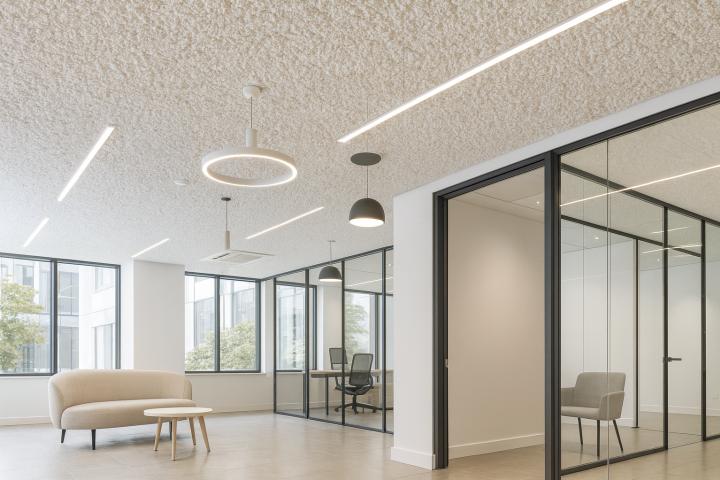
By contrast, acoustic ceiling panels directly address these concerns. Materials such as fiberglass, suspended ceiling tiles or wood wool ceiling panels are engineered to absorb sound waves, reduce reflections, and create a balanced acoustic environment. The result is a space where conversations are clearer, meetings more productive, and learning or leisure activities are more immersive.
If you’re planning a project where acoustics matter, contact us with your requirement—we can guide you toward the right solution tailored to your space.
Design Versatility from Plain to Purposeful
Traditional ceilings offer basic design options—flat, smooth, or patterned surfaces with occasional use of color or lighting to add character. While this simplicity works in many cases, it limits creativity and adaptability.
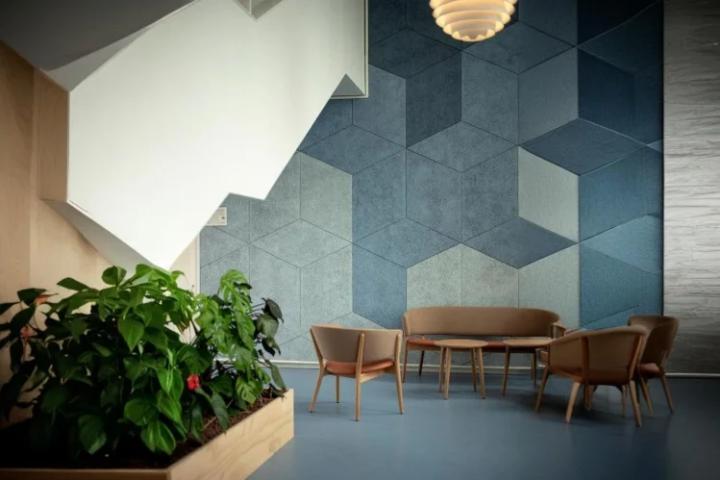
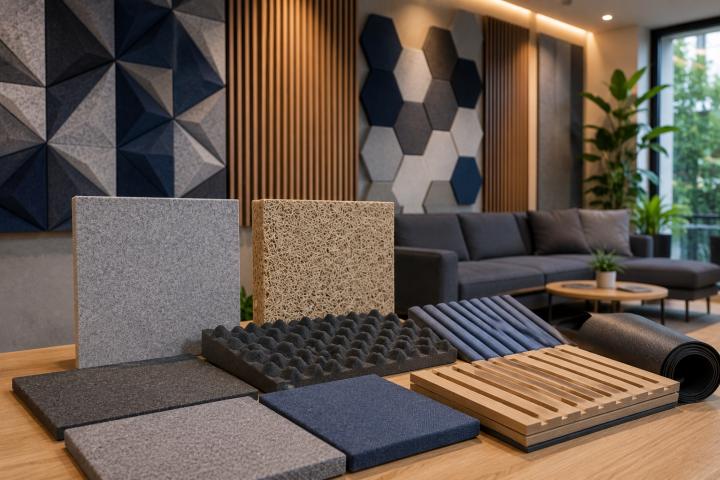
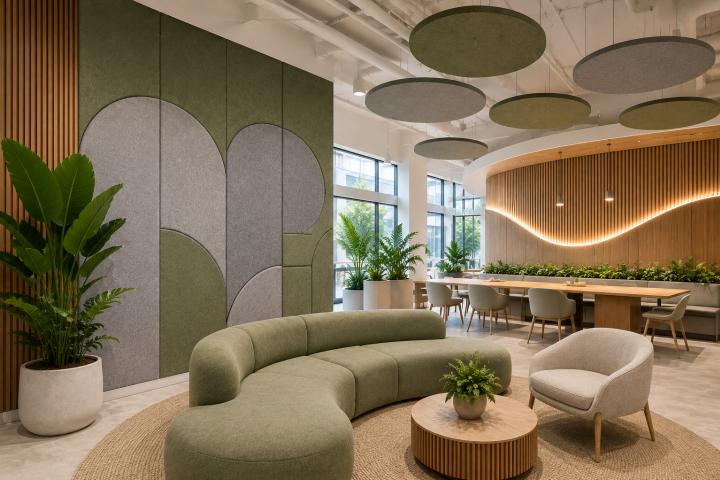
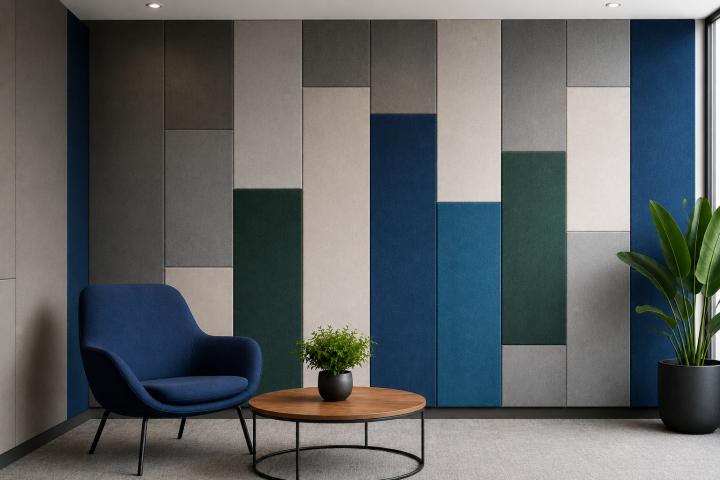
Acoustic ceiling panels, however, open the door to far more design freedom. Available in varied textures, patterns, colors, and finishes, they allow architects and designers to blend functionality with aesthetic expression. For instance:
Fiberglass suspended ceiling tiles provide a sleek, modern look while keeping noise levels under control.
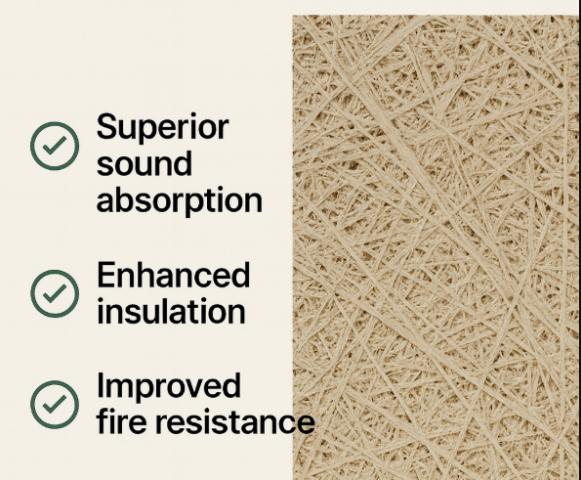
Wood wool ceiling panels bring warmth and natural texture while delivering excellent sound absorption.
This marriage of design and performance ensures that the ceiling becomes more than a blank canvas—it becomes a defining element of the interior environment.
Sustainability and Long-Term Value
Another critical distinction lies in sustainability. Traditional ceilings often require frequent maintenance or replacement, especially in areas exposed to moisture, wear, or environmental fluctuations. Over time, this adds to the cost and environmental footprint of a building.
On the other hand, many acoustic ceiling panels are manufactured with recycled content and are designed for durability. Materials like wood wool ceiling panels not only last longer but also contribute to thermal comfort and energy efficiency. By investing in such solutions, you’re not just improving your space—you’re making a responsible choice for the future.
For detailed specifications and sustainable product options, contact us today and let us help you integrate performance-driven materials into your project.
Right Ceiling for the Right Purpose
Choosing between traditional ceilings and acoustic ceiling panels isn’t about discarding one entirely for the other—it’s about aligning your choice with the purpose of the space. A purely decorative ceiling might suffice for certain residential applications. But for any space where communication, focus, or comfort is essential, acoustic solutions are the smarter, more future-ready choice.
Installation and Practical Benefits
One of the key challenges in traditional ceiling systems is installation flexibility. They often demand more time, labor, and finishing work. Adjustments for lighting fixtures, HVAC systems, or future reconfigurations can also be more complicated.
In comparison, acoustic ceiling panels—especially modular systems like fiberglass suspended ceiling tiles—are designed for ease of installation and maintenance. They provide easy access to hidden services above the ceiling and allow modifications with minimal disruption. For modern workspaces and institutions where adaptability is crucial, this becomes a significant advantage.
Performance that Justifies Investment
While the upfront cost of acoustic ceiling panels may be higher than traditional ceilings, the long-term benefits far outweigh the initial expense. Enhanced sound quality, reduced noise pollution, design flexibility, and improved occupant well-being all contribute to the overall value. Whether it’s increasing productivity in an office, creating a welcoming atmosphere in a restaurant, or ensuring clarity in a classroom, the return on investment becomes evident almost immediately.
Final Thoughts
The ceiling above you influences far more than just the look of your interiors. It shapes how people experience the space, how they interact, and even how they feel. Traditional ceilings serve their role, but acoustic ceiling panels elevate that role by integrating acoustic treatment, aesthetics, and sustainability into one solution.
If your next project calls for a ceiling system that balances form and function, reach out to us—we’re here to help you explore the best acoustic solutions tailored to your needs. https://www.tranquilglobal.com/contact-us.html