Injection moulding is one of the most widely used manufacturing processes for producing plastic parts with high precision and repeatability. But did you know that injection moulding machines come in multiple types, each designed to handle specific materials, production volumes, and product complexities? Understanding these types can help manufacturers choose the right machine for their needs.
What Is an Injection Moulding Machine?
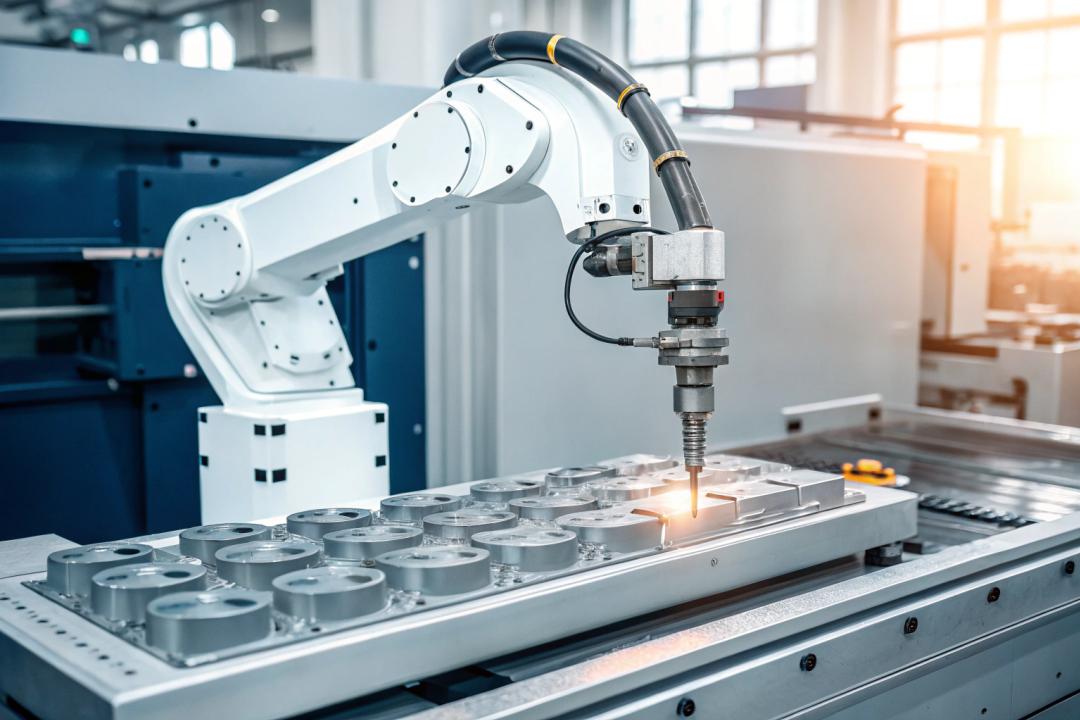
An injection moulding machine is equipment that melts plastic pellets and injects the molten plastic into a mould to form a specific shape. After cooling, the mould opens, and the finished part is ejected. This process is widely used in industries like automotive, electronics, packaging, and medical devices.
Main Types of Injection Moulding Machines
Injection moulding machines are primarily categorised based on their clamping mechanism and driving system. Here’s a breakdown:
1. Hydraulic Injection Moulding Machines
- How They Work: Operated using hydraulic cylinders to control clamping and injection.
- Advantages: High clamping force, suitable for large parts, capable of handling thick-walled products.
- Applications: Automotive components, industrial machinery parts.
2. Electric Injection Moulding Machines
- How They Work: Fully electric motors control the injection, clamping, and ejection systems.
- Advantages: High precision, energy-efficient, low noise, fast cycle times.
- Applications: Medical devices, electronics, precision components.
3. Hybrid Injection Moulding Machines
- How They Work: Combine hydraulic and electric systems for clamping and injection operations.
- Advantages: Balance between power and precision, energy-saving compared to fully hydraulic systems.
- Applications: Mid-to-large size products requiring moderate precision.
Classification Based on Injection Type
Apart from clamping type, machines can also be classified based on how the plastic is injected:
- Horizontal Injection Moulding Machines: Most common; the mould opens horizontally.
- Vertical Injection Moulding Machines: Mould opens vertically; ideal for insert moulding where metal or pre-assembled components are used.
- Multicomponent Injection Moulding Machines: Can inject two or more different materials/colours into a single part.
Factors to Consider When Choosing a Machine
- Material Type: Thermoplastics, thermosets, or elastomers require different machine setups.
- Part Size & Complexity: Larger or intricate designs may need a higher clamping force or multicomponent machines.
- Production Volume: High-volume production benefits from electric or hybrid machines, which enable faster cycle times.
- Budget & Energy Efficiency: Electric machines are costlier upfront but save on long-term energy costs.
Why Choosing the Right Machine Matters
Selecting the right injection moulding machine ensures:
- Precise and consistent part quality
- Faster production cycles
- Reduced material waste
- Lower operating costs
Final Thoughts
Injection moulding machines come in various types—hydraulic, electric, hybrid, horizontal, vertical, and multicomponent. Each type has unique advantages and applications. By understanding these categories, manufacturers can choose the right equipment to optimise efficiency, quality, and profitability.
At Delta Stark, we provide expert guidance and supply advanced injection moulding machines tailored to your industry needs. Upgrade your production line with precision and efficiency today!