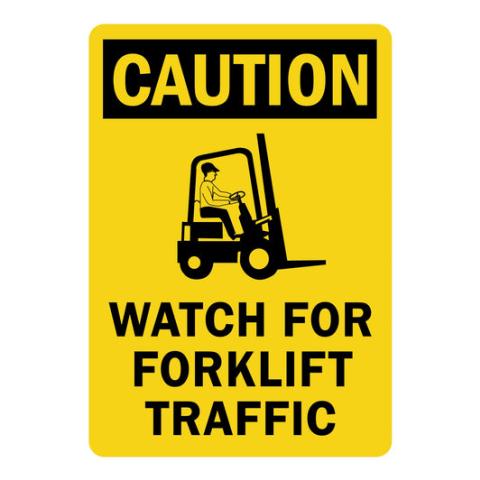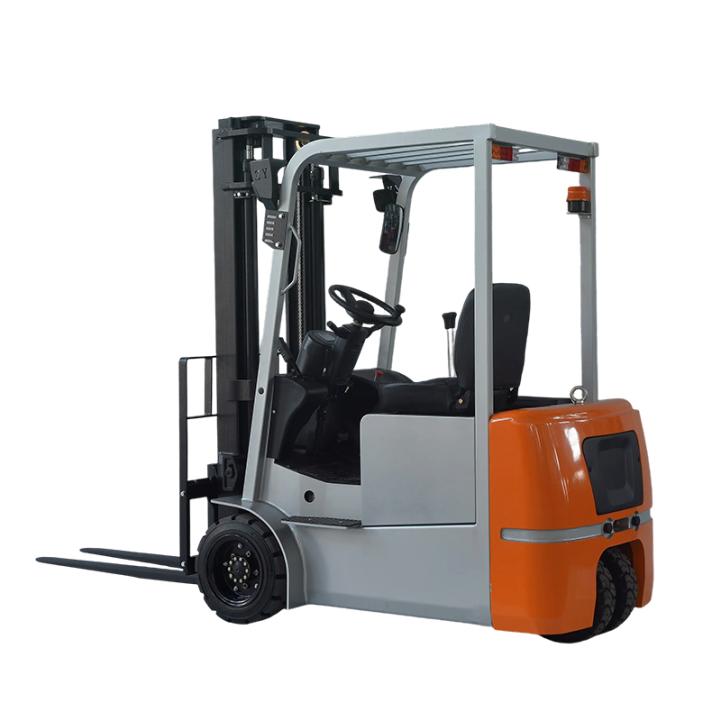
Electric forklifts have become indispensable in modern warehouses and logistics centers due to their efficiency, low noise levels, and environmental friendliness. However, regular cleaning is crucial to maintaining their performance and longevity. Improper washing methods can damage sensitive electrical components, leading to costly repairs or safety hazards. This article provides a step-by-step guide to safely and effectively washing an electric forklift, ensuring optimal operation and compliance with safety standards.
I. Solutions for Properly Washing an Electric Forklift
1. Pre-Cleaning Preparation
Before starting, park the electric forklift in a designated, well-ventilated area away from electrical hazards. Turn off the power and remove the battery if possible to prevent accidental activation or water damage. Gather cleaning tools such as compressed air blowers, microfiber cloths, neutral-pH detergents, and soft-bristle brushes. Avoid harsh chemicals or solvents with low flash points, as they may corrode components or pose fire risks.
2. Cleaning the Exterior
Top-Down Approach: Begin by removing loose debris from the roof and upper body using a soft brush or compressed air. This prevents dirt from falling onto already cleaned areas.
Damp Cloth Wiping: For the forklift’s body, use a damp cloth with mild detergent to gently wipe surfaces. Avoid abrasive sponges that may scratch paint or metal.
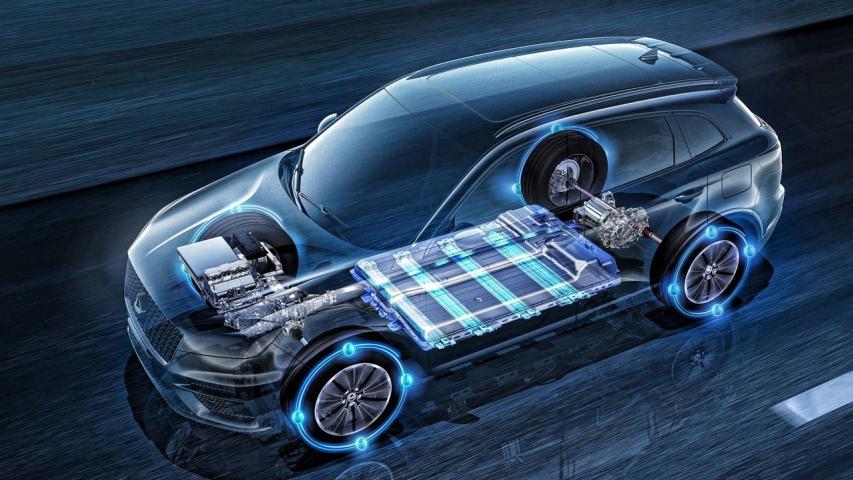
Compressed Air for Electrical Zones: Blow dust from electrical panels, connectors, and battery terminals using low-pressure compressed air. Never direct high-pressure water or steam at these areas, as moisture can cause short circuits.
3. Battery Maintenance
Safe Washing: If the battery is removable, hoist it out and rinse its exterior with a gentle stream of water, ensuring no water enters the cells. For non-removable batteries, wipe the casing with a damp cloth.
Distilled Water for Cells: After cleaning, check electrolyte levels (if applicable) and top up with distilled water to the recommended level (usually ¼ inch above the plates). Always add water after charging, not before, to prevent overflow.
4. Tire and Undercarriage Care
Debris Removal: Use a brush to dislodge mud or debris from tires and the undercarriage. Compressed air can help clear hard-to-reach areas.
Lubrication Check: After cleaning, inspect and lubricate moving parts such as wheel bearings and mast chains to prevent wear.
5. Interior and Safety Components
Cabin Cleaning: Vacuum the operator’s cabin to remove dust and debris. Wipe down controls, the dashboard, and the seat with a damp cloth.
Safety Checks: Test lights, horns, and alarms to ensure they function properly after cleaning.
II. Key Precautions When Washing an Electric Forklift
Avoid High-Pressure Water: Never use pressure washers or steam cleaners on electrical components, as water ingress can damage circuits and lead to malfunctions.
Use Neutral Cleaners: Opt for biodegradable, non-corrosive detergents to prevent chemical reactions with forklift materials.
Protect Sensitive Areas: Cover connectors, plugs, and the central electrical system with plastic sheeting if water exposure is unavoidable.
Dry Thoroughly: After washing, use dry cloths or air blowers to eliminate moisture from all surfaces, especially around batteries and electronics.
OSHA Compliance: Adhere to OSHA Standard 1910.178(q)(10), which mandates keeping forklifts clean and free of flammable residues.
III. Conclusion
Properly washing an electric forklift requires a balance of thoroughness and caution. By following a top-down cleaning approach, using compressed air for electrical zones, and maintaining the battery with distilled water, operators can extend the equipment’s lifespan while ensuring safety. Regular cleaning not only enhances appearance but also prevents dirt buildup from causing mechanical or electrical failures.
Incorporating these practices into a routine maintenance schedule reduces downtime, lowers repair costs, and complies with regulatory standards. Remember, the key to preserving an electric forklift’s performance lies in treating its delicate components with care—avoiding water where it shouldn’t go and using the right tools for the job. With these steps, your electric forklift will remain a reliable workhorse in your operations for years to come.