In the dynamic world of material handling and warehouse logistics, efficiency and space optimization are paramount. As businesses strive to maximize storage density while maintaining operational agility, specialized equipment like the very narrow aisle forklift (VNA forklift) has emerged as a game-changer. Designed to operate in confined spaces where traditional forklifts cannot maneuver, VNA forklifts redefine how warehouses utilize vertical and horizontal space. This article explores the definition, design, applications, benefits, and technological advancements of very narrow aisle forklifts, shedding light on their critical role in modern supply chains.
Defining the Very Narrow Aisle Forklift
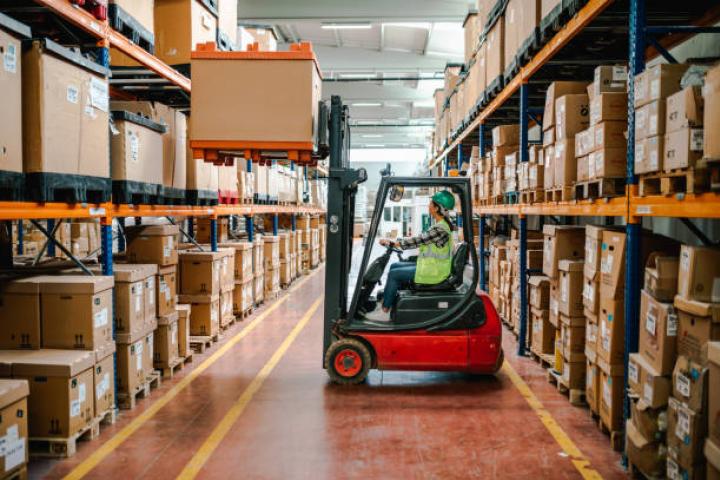
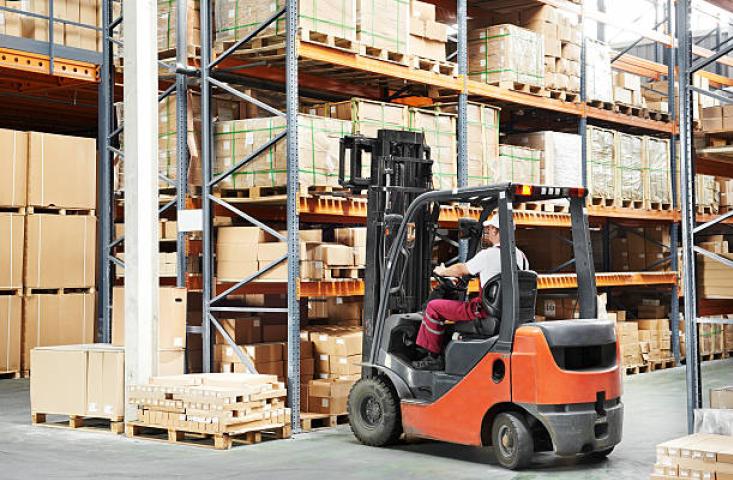
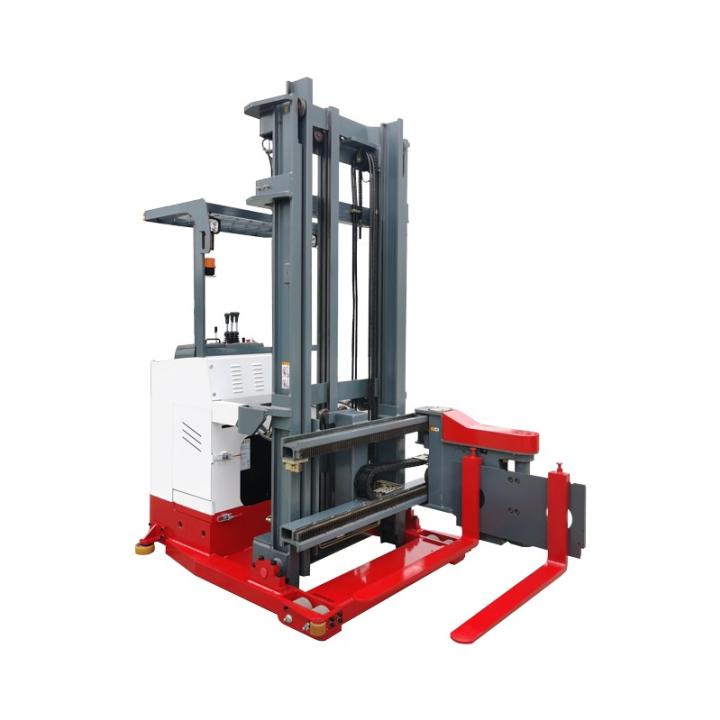
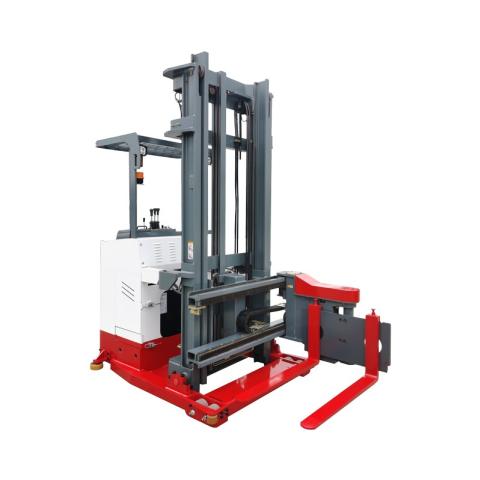
A very narrow aisle forklift is a specialized type of industrial truck engineered to operate in aisles as narrow as 5.5 to 6.5 feet (1.6–2 meters), significantly less than the 10–12 feet (3–3.6 meters) required by conventional counterbalance forklifts. These machines are built to lift and transport loads in high-density storage environments, such as multi-level racking systems, where space is at a premium.
Unlike standard forklifts, which rely on lateral stability and require wider turning radii, VNA forklifts use advanced guidance systems—such as rail, wire, or laser navigation—to maintain precision within tight spaces. Their design prioritizes vertical reach and stability over horizontal speed, making them ideal for high-bay warehouses with racks exceeding 30 feet (9 meters) in height.
Key Design Features
Mast and Lifting Mechanism:
VNA forklifts feature a telescoping or articulating mast that allows operators to reach deep into racking systems without repositioning the entire truck. This design minimizes the need for aisles to accommodate lateral movement, enabling closer rack spacing.
Guidance Systems:
Rail-Guided: Trucks follow embedded rails in the floor, ensuring straight-line travel.
Wire-Guided: A magnetic wire beneath the floor transmits signals to the forklift, guiding its path.
Laser-Guided: Lasers map the warehouse environment, enabling autonomous or semi-autonomous navigation.
Operator Cabin:
Many VNA forklifts include rotating or tilting cabs that allow operators to remain facing forward while retrieving loads from racks on either side. This reduces fatigue and improves safety.
Stability Enhancements:
To counteract the risk of tipping in narrow aisles, VNA forklifts incorporate counterweights, reinforced masts, and sometimes even active stabilization systems that adjust in real time.
Applications in Warehousing and Logistics
The primary application of very narrow aisle forklifts lies in high-density storage environments where floor space is limited. Industries such as e-commerce, automotive parts distribution, pharmaceuticals, and food and beverage rely on VNA forklifts to:
Maximize Storage Capacity: By reducing aisle width, warehouses can increase rack density by up to 40%, storing more pallets in the same footprint.
Improve Order Picking Efficiency: VNA forklifts enable direct access to pallets at any height, streamlining pick-and-pack operations.
Support Multi-Level Racking: These machines are capable of lifting loads to heights exceeding 40 feet (12 meters), making them indispensable for automated storage and retrieval systems (AS/RS).
Enhance Safety: Guided navigation systems minimize human error, reducing collisions and product damage.
Advantages Over Traditional Forklifts
Space Efficiency:
The most obvious benefit of VNA forklifts is their ability to operate in ultra-narrow aisles. A warehouse using VNA technology can store the same volume of goods in 30–50% less space compared to conventional setups.
Cost Savings:
Reduced square footage requirements translate to lower real estate costs, whether for leasing or construction. Additionally, energy-efficient VNA models consume less fuel or electricity per operation.
Precision and Speed:
Guided systems ensure consistent, repeatable movements, which is critical for time-sensitive operations. Some VNA forklifts can achieve lifting speeds of up to 160 feet per minute (48 meters per minute).
Flexibility:
Modern VNA forklifts are compatible with various rack types, including selective, drive-in, and push-back systems, allowing businesses to adapt their storage strategies as needed.
Technological Innovations
Recent advancements have further elevated the capabilities of very narrow aisle forklifts:
Automation and Robotics: Semi-autonomous VNA forklifts equipped with AI and sensors can perform tasks with minimal human intervention, reducing labor costs.
Lithium-Ion Batteries: These provide longer runtime, faster charging, and zero emissions, aligning with sustainability goals.
Telematics Integration: Real-time data on truck performance, maintenance needs, and operator behavior enables proactive management.
Conclusion: The Indispensable Role of the Very Narrow Aisle Forklift
The very narrow aisle forklift has revolutionized warehouse design by bridging the gap between storage density and operational efficiency. Its ability to navigate confined spaces while maintaining precision and safety makes it an invaluable asset in industries where every square foot counts. As e-commerce growth and supply chain demands continue to escalate, the adoption of very narrow aisle forklifts will likely accelerate, driven by their capacity to reduce costs, enhance productivity, and support sustainable logistics practices.
For businesses seeking to future-proof their warehouses, investing in a very narrow aisle forklift is not merely an option—it is a strategic imperative. By leveraging the unique strengths of these machines, companies can unlock new levels of efficiency, agility, and competitiveness in an increasingly crowded marketplace. The very narrow aisle forklift is not just a tool; it is a cornerstone of modern material handling excellence.