
In the ever-evolving world of mobile technology, the integration of Artificial Intelligence (AI) and the Internet of Things (IoT) is creating an unprecedented shift in how we interact with our devices. From automating daily tasks to delivering hyper-personalized experiences, these two technologies are not just reshaping mobile apps—they are redefining the digital experience itself.
Understanding the Power of AI and IoT in Mobile Apps
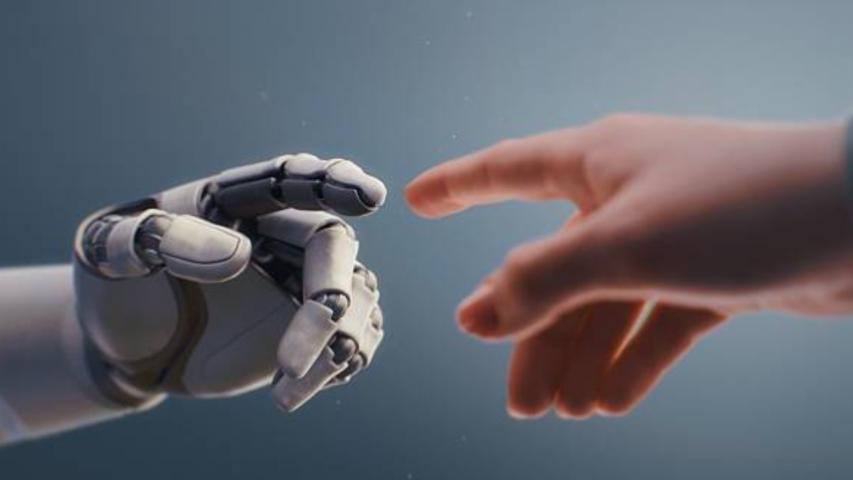
AI and IoT are two separate but deeply interconnected forces. While IoT connects physical devices to the internet and enables them to send and receive data, AI brings intelligence to that data allowing systems to learn, analyze, and act autonomously. When combined in mobile applications, they form the backbone of next-generation solutions.
For instance, your fitness band that tracks steps (IoT) and offers health suggestions based on patterns (AI) is a practical demonstration of this synergy. Smart thermostats, voice assistants, and connected vehicles are other tangible outcomes of this powerful combination.
The Role Of AI in Transforming Mobile App Experiences
The Role Of AI in mobile apps is significant and multifaceted. AI enables apps to understand user behavior, deliver personalized content, improve user engagement, and perform predictive analytics. Mobile apps equipped with AI can:
- Offer product or content recommendations
- Understand and respond to natural language inputs through virtual assistants
- Automatically categorize user preferences for smarter interfaces
- Detect anomalies and potential threats to ensure app security
AI also powers chatbots, facial recognition systems, voice recognition, and real-time language translation bringing intelligence to the user interface. This functionality has become essential in sectors such as finance, eCommerce, healthcare, and education, where fast, tailored, and secure interactions are vital.
IoT’s Impact on Mobile App Development
IoT allows mobile apps to interact with smart devices in real-time, turning them into remote control centers for everything from homes to entire factory operations. Developers are increasingly building apps that can:
- Monitor home security systems and smart appliances
- Track health metrics from wearable devices
- Optimize logistics through GPS-enabled fleet management
- Manage industrial machines in real-time from handheld devices
IoT-powered mobile apps collect vast amounts of data, and when paired with AI, this data becomes actionable insights that help users make informed decisions or automate repetitive actions.
Most Popular AI Apps That Showcase the Integration
Some of the Most Popular AI Apps demonstrate the flawless marriage of AI and IoT. Here are a few well-known examples:
- Amazon Alexa: Controls IoT devices while using AI to learn user preferences and improve over time.
- Google Assistant: An AI-powered voice assistant that connects with smart home devices.
- Tesla App: Connects with IoT-enabled vehicles and leverages AI for navigation, voice commands, and autopilot features.
- Apple Health: Uses AI to provide insights based on IoT-collected data from wearables.
These applications have become central to how people manage their daily lives, demonstrating the commercial and practical viability of integrating AI and IoT in mobile development.
AI in Transportation: A Mobile Tech Revolution
One of the most promising areas of innovation is AI In Transportation, where AI and IoT are revolutionizing the way we move. AI algorithms process traffic patterns, predict delays, optimize routes, and even assist with self-driving functionalities. Ride-sharing apps like Uber and Ola use AI for dynamic pricing, estimated arrival times, and driver behavior analysis.
IoT sensors in vehicles provide real-time data on fuel consumption, engine performance, and location tracking, which AI systems use to make maintenance predictions or enhance safety protocols. Public transport systems are increasingly relying on AI to analyze commuter flows and optimize schedules, reducing costs and improving user satisfaction.
Mobile apps for logistics, ride-sharing, public transit, and delivery services are now equipped with real-time tracking, route optimization, and predictive maintenance—all powered by the AI-IoT duo.
Challenges in Integrating AI and IoT into Mobile Apps
Despite the immense benefits, integrating AI and IoT in mobile apps isn't without challenges:
- Security and Privacy: Collecting and processing sensitive data requires airtight security protocols to prevent breaches.
- Complex Development Process: The development of AIoT (AI + IoT) apps demands a high level of expertise in multiple domains—data science, machine learning, embedded systems, and mobile frameworks.
- High Costs: Building and maintaining these apps can be expensive, especially when dealing with hardware integration or cloud computing resources.
- Latency Issues: Real-time decision-making requires low latency, which demands a strong backend architecture and often, edge computing solutions.
Developers and companies must carefully evaluate their needs and resources before embarking on AIoT mobile projects.
Emerging Artificial Intelligence Trends in Mobile App Tech
Current Artificial Intelligence Trends in mobile app tech signal a bold and exciting future. Here are a few trends that stand out:
- On-Device AI (Edge AI): Processing data directly on devices (rather than cloud) for faster response and better privacy.
- Contextual AI: Apps that understand the user’s environment—time, location, behavior—to deliver more relevant content.
- Conversational AI: Voice and text-based interfaces are becoming smarter, allowing seamless, human-like interactions.
- AI-Driven UI/UX: Mobile interfaces that adapt in real-time based on user behavior and preferences.
- Autonomous Apps: Self-updating, self-learning apps that evolve with minimal manual input.
These trends are laying the foundation for fully intelligent, adaptive apps that offer unmatched user experiences.
AIoT Use Cases Across Key Industries
AI and IoT are making waves across multiple industries via mobile apps:
- Healthcare: Smartwatches monitor heart rate, oxygen levels, and sleep patterns. AI interprets this data to offer personalized health suggestions or alert doctors.
- Retail: AI predicts shopping trends and recommends products; IoT tracks inventory in real-time.
- Agriculture: Sensors in the field gather weather and soil data, and AI suggests optimal planting strategies.
- Smart Homes: Apps like Google Home or Samsung SmartThings manage lights, thermostats, and appliances based on AI-driven preferences.
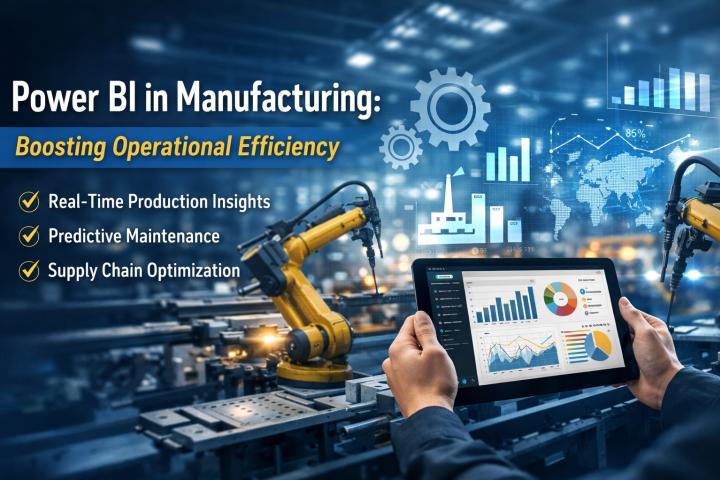
- Industrial IoT: Predictive maintenance, energy usage optimization, and remote machine control are made possible through AIoT mobile apps.
Each use case adds to the growing credibility and demand for intelligent mobile solutions.
How Businesses Can Embrace AI and IoT in Mobile Development
- For businesses looking to ride this tech wave, here are practical steps to implement AI and IoT in mobile app development
Define the Problem Clearly: Don’t integrate AI or IoT just for trendiness. Identify specific user or business pain points first. - Choose the Right Tech Stack: Pick platforms and languages that support AI/IoT frameworks (TensorFlow, Flutter, Node.js, etc.).
- Partner with Experts: Collaborate with a Mobile App Development Company with AI and IoT experience.
- Invest in Data Infrastructure: Ensure robust backend systems to collect, store, and process data securely.
- Focus on UX: Intelligent features must still feel intuitive and enhance usability, not complicate it.
Companies that approach this strategically can future-proof their apps and deliver far greater value to their users.
Conclusion
The integration of AI and IoT into mobile app tech marks a pivotal shift in the evolution of digital solutions. These technologies are not only enhancing app functionality but are also elevating user expectations. Whether it’s controlling a thermostat with your voice or optimizing a cross-country delivery in real-time, the possibilities are boundless.
As Artificial Intelligence Trends continue to evolve and IoT devices become more widespread, the synergy between the two will unlock even more powerful capabilities. For developers and businesses alike, the key lies in understanding the potential, addressing the challenges, and innovating with purpose.
The future of mobile app tech is smart, connected, and intelligent—and it’s already here.