
Sustainability is no longer a niche topic; industries worldwide are adopting environmentally conscious practices to reduce their environmental footprint, enhance efficiency, and respond to consumer demands for responsible business. As concerns about climate change and resource depletion grow, businesses in a wide range of industries are exploring new means of doing business more sustainably, whether they’re developing in rural areas or large metropolises. From manufacturing to education, all industries are shifting gears to minimize their environmental footprint without compromising growth. Here is a closer look at six industries that are leading the way for sustainability:
Education: Fostering Eco-Conscious Learning
Schools and universities are turning green by integrating environmentally conscious policies into their functions and curricula. Schools and universities now choose energy-efficient buildings, on-site renewable energy systems, and green transportation programs. Researchers are encouraged to develop environmental awareness and outcomes through practical enterprise and systems in the community. Likewise, the adoption of sustainable school supplies supports an indirect approach by reducing reliance on single-use products and encouraging materials that are recyclable or biodegradable. By integrating sustainability into everyday literacy, schools are empowering the next generation to prioritize environmental stewardship in personal and professional arenas.
Water Management: Preserving a Vital Resource
Water scarcity and pollution pose critical challenges worldwide, making sustainable water management essential. Industries and municipalities are investing in new water treatment plants, leak detection initiatives, and smart irrigation systems to streamline operations and reduce harm to water use. Rainwater collection, wastewater recycling, and drought-resistant landscaping are emerging as the standard operating practices in civic administration and stewardship. Companies are coming to understand the importance of monitoring usage trends and altering procedures to conserve water. This forward-thinking approach promotes the sustainable use of fresh water, addresses habitat protection to promote biodiversity, and creates resilience to climate change.
Manufacturing: Redefining Production Practices
The manufacturing sector has long been a principal source of pollution and resource degradation. Today, companies have rewired product processes, sourced materials responsibly, and minimized waste with circular economy practices. Additive manufacturing, energy-efficient equipment, and real-time monitoring systems are some of the technologies that allow manufacturers to produce with minimal environmental footprint. Companies are also thinking about ethical supply chains and utilizing renewable energy to power their product lines. For businesses aiming to adopt comprehensive sustainable practices, it is advisable to hire an experienced B Corp consultant who can guide the certification process and implement environmental strategies effectively. These joint efforts not only reduce carbon footprints but also appeal to green consumers and investors.
Energy: Shifting Toward Renewable Sources
The energy sector is undergoing a monumental transition from fossil fuels to renewable energy sources like solar, wind, water, and geothermal. Battery innovation, smart grids, and decentralized systems are making the supply of renewable energy more efficient and stable. Utility companies and private entities are looking into carbon-neutral objectives, reducing non-renewable material usage, and investing in green infrastructure. By rendering sustainability a priority in its operations, the energy sector not only reduces greenhouse gas emissions but also secures operating and long-term costs for its customers, generates community energy independence, and achieves international climate objectives. Such a transformation is a model of a traditionally high environmental-impact industry that shifts to responsiveness and adaptability.
Transportation: Reducing Emissions on the Move
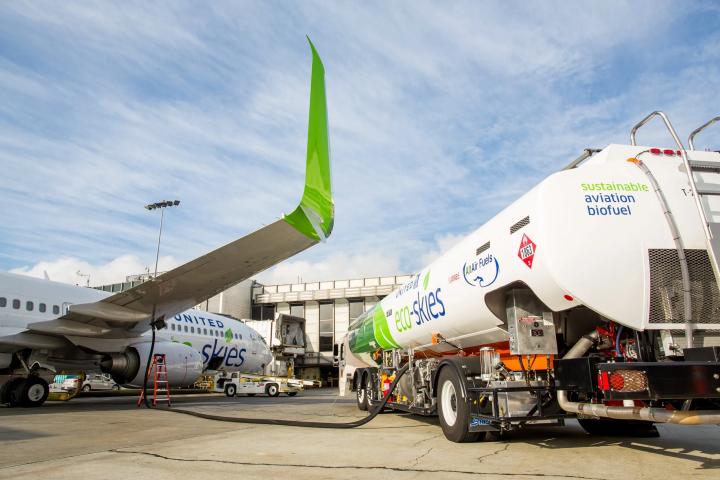
Transportation is the cause of state pollution and carbon emissions, leading to businesses and municipalities investing in clean technologies. Electric vehicles (EVs), hydrogen-powered transportation, and other modes of transportation are transforming short- and long-distance travel. Mass transit systems are being transformed by utilizing cleaner fuels, energy-efficient engineering, and digital technology to bypass traffic and minimize the impact on the planet. Logistics companies are consolidating delivery routes, batching deliveries, and using green-washed warehouses to limit the carbon footprint. The transportation industry is promoting cleaner, less-impactful options to consumers while building cleaner and improved networks.
Agriculture and Food: Cultivating Sustainable Practices
Sustainable agriculture is concerned with optimizing productivity to the benefit of ecosystems while minimizing harmful impacts on our environment. On the other hand, farmers are using precision agriculture, sustainable agriculture, and organic farming, practicing crop rotation, and encouraging soil health work to enhance production while reducing the use of chemicals at the same time. Reduction of food waste through supply chain customization, as well as facilitating the uptake of "factory-based" diets, can also bolster environmental conservation. Furthermore, vertical agriculture and urban farming trends are providing alternatives to expanded land use in meeting increased food demands. The agriculture industry, by prioritizing efficiency of water use, biodiversity, and sustainable sourcing, is demonstrating its commitment to feeding a nation while leaving our world a better place for future generations.
In conclusion, sustainability is no longer an option; it is a business strategy across many industries. By investing in renewable technologies, lowering resource usage, and being responsible community citizens, they are demonstrating that financial sustainability, environmental stewardship, and sustainability can go hand-in-hand. As shareholders, customers, and policymakers continue to demand responsibility and stewardship from industries, today's organizations will have the advantage when it comes to performance, innovation, and sustainability by the time we reach the future.