Choosing the right blockchain development partner is a major step for any project. Before you commit, you must get clear, simple answers to key technical and process-related questions. A thorough discussion ensures the company has the expertise to build a secure, stable solution that truly fits your business needs. You need to know which blockchain platforms they work with, how they secure smart contract development, what their day-to-day project management methodology looks like, and how they plan for the future growth and maintenance of your application. The right firm will show authority in its answers, giving you trust in its ability to execute your vision reliably.
Turn Ideas into Secure Blockchain Solutions – Get Started Today!
1. Which Blockchain Platforms Are You Specializing In?
The choice of blockchain platform affects everything about your project, from its speed and cost to its security model. When searching for a capable blockchain application development firm, you need to understand their core technical focus. A general answer is not enough; you require details about the exact chains they build on.
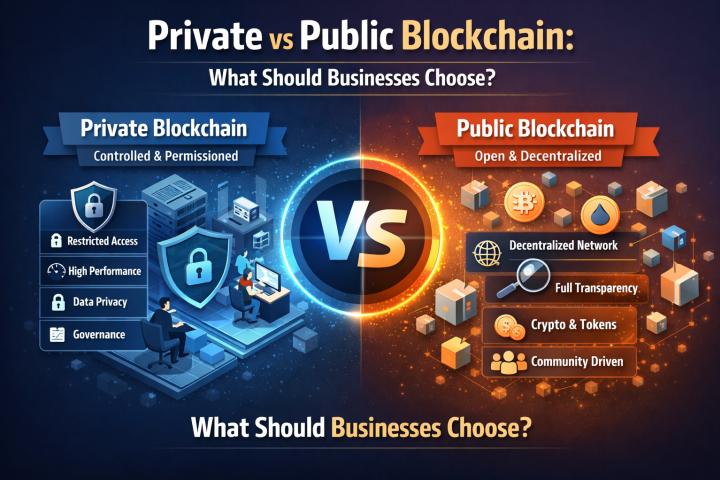
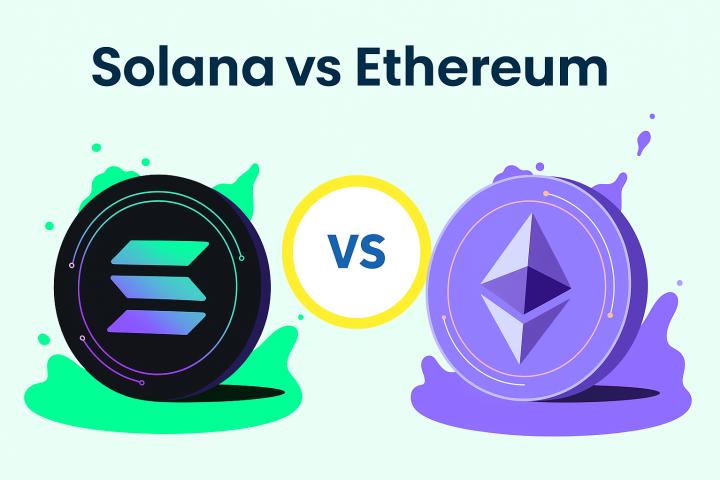
Public vs. Private Network Experience: Ask about their experience with different network types. For example, have they worked on public, permissionless chains like Ethereum or Solana? Or do they mostly deal with private, permissioned enterprise blockchain solutions like Hyperledger Fabric or Corda, which are used inside organizations for specific business functions? The type of network strongly changes the technical requirements and skills needed.
Specific Protocol Knowledge: Find out which specific protocols their team knows deeply. A firm skilled in Ethereum-based development will talk about Solidity, the Ethereum Virtual Machine (EVM), and Layer 2 solutions for scaling. A team focused on higher-speed chains may mention Rust or other specific programming languages. You are hiring for a specialty, so ensure their specialty matches your needs.
Platform Selection Rationale: Do not just ask what platforms they use; ask them why they would choose one platform over another for your project. A true expert will talk about the trade-offs: “We suggest Polygon over Ethereum for your high-volume loyalty program because it offers much lower gas fees and faster finality, which is better for many transactions.” This demonstrates their problem-solving ability in selecting the right blockchain technology stack.
Asking these detailed questions helps you evaluate their technical expertise and confirms they have successfully delivered solutions using the right foundational technology for your product. You are confirming that their capabilities align with the best blockchain development companies in the field.
2. How Do You Approach Smart Contract Development and Testing?
Smart contract development is the core of most blockchain applications, acting as the self-executing code that manages assets and rules. Because smart contracts handle real value and are almost impossible to change once deployed, their security and stability are extremely important. A deep understanding of their process for creating these contracts is a sign of a reliable blockchain service provider.
Security-First Coding Practices: What secure coding standards do they follow? Ask them to name common smart contract vulnerabilities, such as reentrancy attacks or integer overflows, and explain the steps their dedicated blockchain development team takes to prevent them. A good answer will focus on following best practices, like using checks-effects-interactions patterns in Solidity.
Rigorous Auditing and Review: How many stages of review does a smart contract go through before it is finalized? Ask about their smart contract auditing and security analysis process. Do they use automated tools for checking code? Is there a peer review process where one senior developer checks the work of another? The most careful firms also use independent, third-party security audits for the final version of the code. This is an essential measure for blockchain software quality assurance.
Testing Procedures: Simply writing code is not enough; it must be proven to work under all conditions. What kind of testing do they perform? Look for answers that include unit testing (checking small parts of code), integration testing (checking how different parts work together), and deployment on test networks (simulating real use). Ask, "How do you test the limits of our system's expected transaction volume?"
A firm that talks openly about its testing, auditing, and review process shows a high level of authoritativeness and dedication to security, which builds trust in their ability to write safe, reliable code.
3. What Project Management Methodology Do You Follow?
A clear project management methodology defines how your project will move from an idea to a finished, working product. This affects how much control you have, how often you see progress, and how quickly issues are fixed. You need to know that your chosen blockchain partner runs their projects with discipline and transparency.
Agile Development Practices: Do they use an Agile or Scrum approach? This means they build the product in short cycles (called sprints), usually lasting one to four weeks. Ask how they hold planning sessions, review meetings, and daily check-ins. This practice is preferred because it allows for flexible changes and gives you frequent opportunities to give feedback on the work in progress. Look for Agile development for custom blockchain solutions experience.
Communication Schedule and Tools: How often will you receive updates on the project's status? Ask about the specific project management tools they use, such as Jira, Trello, or a similar platform, and whether you will have access to track progress directly. A solid answer will include a plan for regular meetings, detailed reports on work completed, and a clear method for communicating unexpected issues immediately.
Scope Management and Change Handling: What happens when you want to change a feature after development has started? Good blockchain development firms will have a clear, simple process for managing changes to the project scope. Ask how they document new requirements and how they measure the impact of those changes on the project schedule and effort. This prevents major surprises down the line and keeps the project focused.
The clarity of their process shows their expertise in managing complex, real-world projects, which is necessary for timely and efficient delivery of the final blockchain solution.
4. How Do You Plan for Future Scalability and Integration?
A project that works well for 100 users must also work for 10,000 or 100,000 users. Scalability of a blockchain application and its ability to connect with other software are two of the biggest questions for future success. If the system cannot handle growth or connect to your existing business tools, it will quickly become useless.
Scaling Strategies: What specific strategies do they use to ensure the application can handle high user traffic? Ask them to discuss concepts like Layer 2 scaling solutions (like rollups), sharding, or moving certain functions off-chain to keep the main network clear. Their answer should be technical and directly related to the platform they selected for you, showing they are thinking ahead about the future-readiness of blockchain applications.
Interoperability and Existing Systems: For most businesses, the new blockchain system must talk to old software (like accounting systems, customer databases, or websites). How will they handle this integration with existing systems? Ask about their experience using Application Programming Interfaces (APIs) and specialized connectors to link the new decentralized application (dApp) to your established, centralized tools.
Long-Term System Maintenance: Who will own the code after it is finished? A good blockchain development company will hand over a well-documented system. Ask about their documentation standards and their process for a smooth knowledge transfer to your internal technology team. This is a vital question for the long-term support for blockchain solutions and its independent survival. Without clear documentation, supporting the software later becomes very expensive or impossible.
A thoughtful response to these points proves their expertise goes beyond simply writing the first version of the code; it shows they plan for the full lifespan of a product.
5. What Are Your Security Protocols Beyond Smart Contracts?
While smart contract security is critical, the overall security in blockchain solutions involves protecting the entire system, including the servers, user interfaces, and the data being stored. You must confirm that their security focus is broad and covers all potential attack surfaces for your custom blockchain development.
Full-Stack Security Approach: What security measures do they take on the non-blockchain parts of the application? This includes the web front-end and any traditional back-end servers. Ask about their procedures for protecting user logins, securing data as it moves over the internet, and protecting the databases that might sit beside the blockchain. This is often an overlooked area for many companies.
Infrastructure and Key Management: How will they protect the cryptographic keys and digital identities used to run the system, especially for a private or permissioned network? Ask about their approach to managing private keys—the digital secrets that control the blockchain assets. This is where most serious hacks happen outside of contract flaws. A secure blockchain development firm will have very strict, documented protocols for key storage and access.
Regular Security Audits and Checks: Beyond the initial audit of the smart contracts, what steps do they take to check the security of the whole system on an ongoing basis? Look for vulnerability testing for custom smart contracts and a plan for regular system-wide security checks. Ask if they practice threat modeling—a process of identifying and describing possible threats before they are even built into the system.
A solid security plan shows authoritativeness and a mature approach to protecting digital assets, a core feature that builds trust with clients.
6. How Do You Ensure Regulatory Compliance for the Solution?
For any solution that deals with real-world business, currency, or personal data, regulatory compliance for blockchain projects is a key issue. Rules about digital assets, data privacy, and finance are complicated and change frequently. Your blockchain application development partner must be aware of these rules in the jurisdictions where your business operates.
Industry-Specific Knowledge: If your project is in a regulated field, such as decentralized finance (DeFi), healthcare, or supply chain, ask about their experience with the relevant rules. For a finance project, you might ask about Know Your Customer (KYC) or Anti-Money Laundering (AML) processes. For a health project, you would ask about data privacy laws like HIPAA. The ability to speak about these rules with authority is a test of their industry-specific experience in blockchain development.
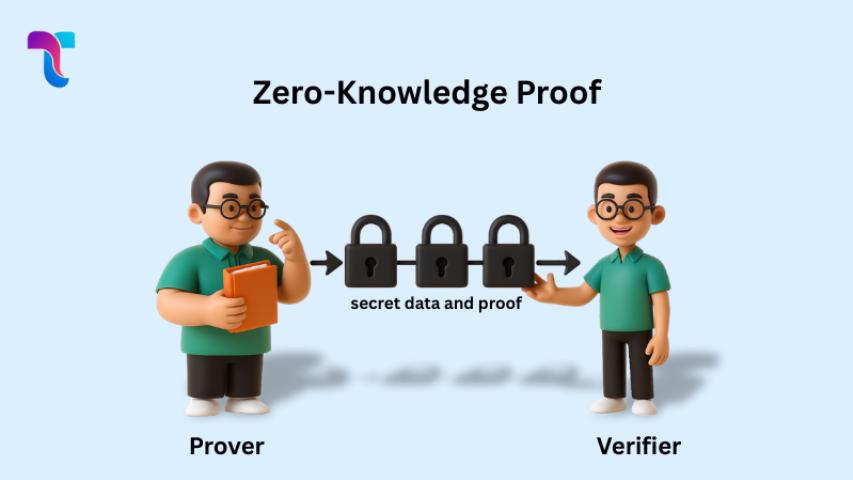
Data Privacy and Governance: How will they manage sensitive data on the blockchain? Ask about techniques like zero-knowledge proofs, hashing, or off-chain data storage combined with on-chain proofs to ensure user privacy is protected. They should explain how their proposed solution respects laws like GDPR if your business has users in Europe. The core of business value of blockchain solutions often rests on providing security and privacy, and compliance is a large part of that.
Future Regulatory Change Planning: Given that government rules change often, how do they build the system so that it can be easily adjusted to new laws without needing a complete rebuild? A thoughtful blockchain development partner designs the system with flexibility in mind, isolating components that are most likely to be affected by regulation.
Demonstrating a practical awareness of legal requirements shows that they are a serious, trustworthy partner prepared for the real-world deployment of a blockchain solution.
7. How Do You Measure the Success of a Deployed Application?
The final question moves beyond the technical build to focus on the business value of blockchain solutions. You need to know that your blockchain development firm measures their work based on its real-world impact on your business, not just on whether the code works.
Key Performance Indicators (KPIs): What metrics will they use to define the success of the deployed solution? Instead of technical metrics like uptime, look for business-focused KPIs. These might include transaction throughput (how many transactions per second), user adoption rate, or the cost savings achieved compared to your old system. These metrics must relate directly to the goals you set at the start.
User Experience (UX) and Adoption: A technically perfect system that nobody can use is a failure. How will they measure and confirm that the user experience is good? Ask about their plan for gathering user feedback after the launch and how they use that feedback for necessary improvements. A focus on user-centric design is important for mass adoption and is a sign of a strong blockchain application development team.
Post-Launch Support and Optimization: What kind of post-launch support and maintenance do they offer? This can involve fixing bugs, keeping the network updated, or helping you integrate new features as your business grows. Ask if they offer a maintenance agreement and what it covers. A long-term partner is not just a builder; they are a continuous supporter of the digital asset they helped create.
A company focused on measuring business results and providing ongoing support shows true authoritativeness and a partnership mentality, which is the most important factor for selecting the right blockchain technology stack and service provider.