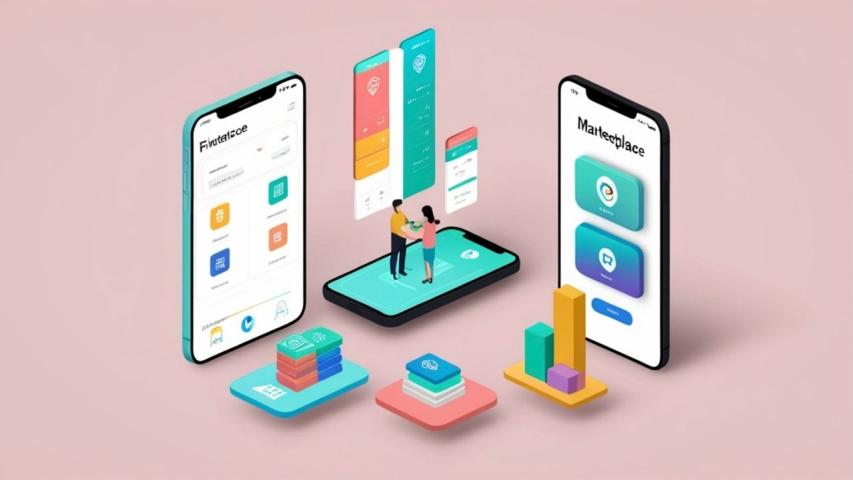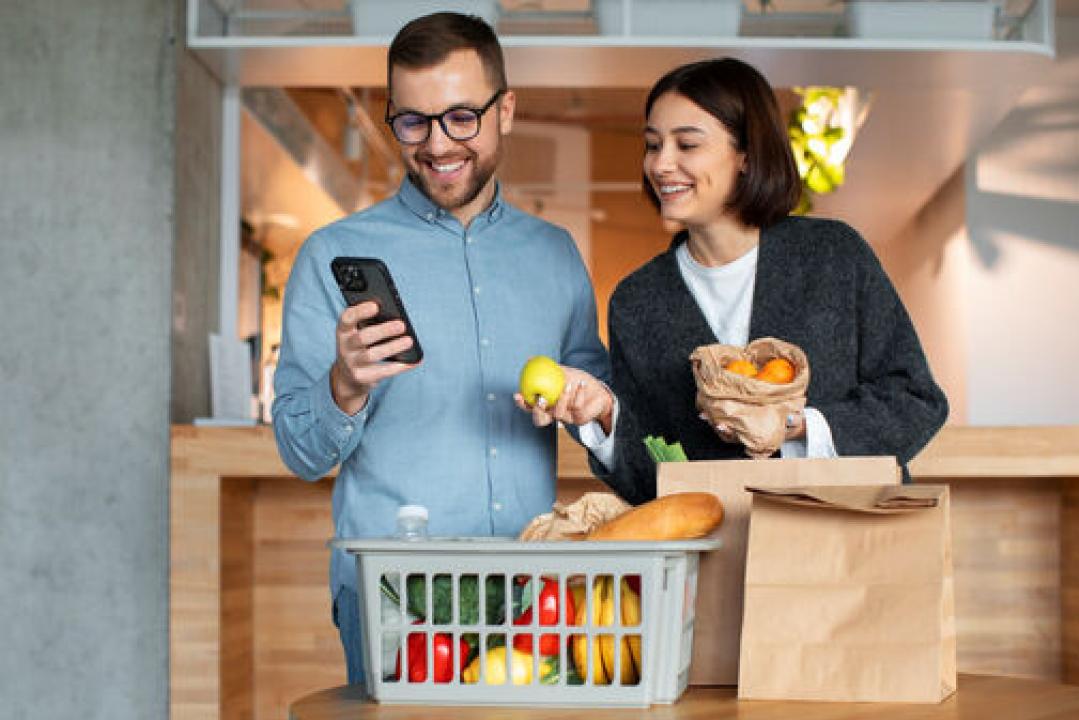

Online grocery apps changed shopping habits fast. They moved groceries from aisles to app screens. For founders and retailers, this is not a small trend. It’s a new way people buy essentials. If you plan an app, the basics are clear: focus on speed, trust, and reliable delivery right from day one.
A fast-growing market
The online grocery sector exploded in recent years. Analysts estimated the global market at roughly USD 710 billion in 2024 and expect strong growth in the years ahead. That growth is driven by more people ordering groceries online, faster delivery options, and bigger investments in infrastructure.
Other forecasts put 2024–2025 growth in the double digits, with the market expanding significantly as quick deliveries and wider online adoption take hold. That means more customers are open to trying apps and staying with ones that deliver reliably.
Convenience wins
Why do people pick apps over stores? Three simple reasons: time, choice, and predictability.
Time: Users save trips and waiting time.
Choice: Apps reveal more stock and substitutes quickly.
Predictability: Delivery windows and live tracking cut uncertainty.
After COVID-19 many shoppers tried online grocery for the first time. A large share kept using it afterward. That habit change made online shopping normal rather than novel.
The tech stack behind your cart
A great grocery app feels simple. Under the hood, it’s complex.
Frontend UX must be fast and clear. People want quick search, clear product images, and an easy cart.
Search & catalog: Smart search with filters and synonyms prevents user frustration.
Inventory sync: Real-time stock data is critical. Nothing kills trust faster than ordering something shown available and then getting an “out of stock” message.
APIs connect stores, warehouses, payment gateways, and delivery services. Robust, well-documented APIs reduce integration errors.
Design for low friction. One-tap reorders, favorite lists, and simple substitution rules matter more than flashy features.
Logistics: last mile and micro-fulfillment
Logistics decides whether an app succeeds or sputters.
Dark stores / micro-fulfillment centers: These small, local hubs cut delivery time and increase capacity. They let apps promise shorter windows.
Delivery models: You can run your own fleet, use gig drivers, or partner with third-party couriers. Each model has trade-offs for cost, control, and quality.
Batching and routing: Bundling orders nearby reduces per-delivery cost and emissions.
But last-mile logistics also pressures margins. Efficient routing and smart batching are essential to stay profitable.
Smart features that matter
Not all features are equal. Prioritize those that drive retention.
Personalized recommendations: Show items the user buys often or related products. Good recommendations increase basket size.
Smart search: Autocomplete, synonyms, and voice search make finding items fast.
Delivery preferences: Let users save delivery notes and preferred time slots. Small details reduce failed deliveries.
Substitution rules: Ask users whether they accept close substitutes when items are out of stock.
These features build habit. They make users prefer your app over competing options.
Pricing, promos, and loyalty
Pricing is a balancing act.
Dynamic pricing can help during peak hours but use it carefully—customers notice sudden price jumps.
Promotions and coupons are great to acquire users but can eat into margin. Use them to drive trials, not permanent discounts.
Subscription models (free delivery for a monthly fee) improve retention and predictable revenue.
Many successful apps combine promos, a subscription tier, and loyalty points to keep users engaged without destroying margins.
Safety, quality, and trust
Trust comes from consistent quality.
Freshness guarantees and clear return policies reduce buyer anxiety about perishables.
Quality checks during packing and delivery prevent complaints.
Transparent communication—if an item is replaced or delayed, tell the user immediately.
Trust wins repeat business. Make policies clear and staff training measurable.
Sustainability and urban impact
Delivery growth brings environmental concerns. Studies warn that rising e-commerce deliveries can increase traffic and emissions if done inefficiently. Cities and companies must optimize routing, use low-emission vehicles, and explore consolidated deliveries to limit the environmental cost. Efficiency is both business sense and social responsibility.
Regional trends and quick commerce
In some regions, rapid “quick commerce” — deliveries in 10–30 minutes — captured huge market share. India’s quick-commerce sector, for example, made a large share of e-grocery orders in 2024, driven by dense cities and demand for instant convenience. However, quick commerce also raises questions about long-term profitability and environmental impact.
Quick commerce shows what customers expect: speed. But it also shows the trade-offs: higher costs and operational complexity.
Retailer strategies and partnerships
Grocery apps don’t have to own everything.
Brick-and-click grocers can add online channels to their stores. This provides inventory and scale advantages.
Pure-play apps must build logistics and supply chain from scratch or partner with local suppliers and couriers.
Marketplace models let third-party sellers list on your app, increasing selection with less inventory risk.
Choose the model that matches your capital, speed-to-market, and control needs.
Data, analytics, and operations
Data is the competitive edge.
Demand forecasting reduces stockouts and spoilage. Machine learning models using historical sales and local events work best.
Heat maps show areas of high demand to position drivers or dark stores.
Customer cohorts and retention metrics reveal which users bring long-term value.
Set up dashboards for real-time KPIs so ops teams can act fast.
Common pitfalls for new apps
New apps often fail for repeatable reasons:
Poor inventory accuracy.
Slow or unclear UX flows.
Delivery times that don’t match promises.
Heavy discounting without path to profitability.
Solve core problems first. Fast UX, reliable delivery, and simple returns beat fancy features.
How to build a competitive grocery app (step-by-step)
Start local and focused. Pick a neighborhood, master it, then expand.
Define a simple MLP (Minimum Lovable Product). Core: search, cart, checkout, delivery window.
Test logistics early. Run pilots with real customers to tune routing and packing.
Measure and iterate. Use simple metrics—on-time delivery, order accuracy, repeat rate.
Add features that raise retention. Think subscriptions, favorites, and smart reorders.
Optimize margins. Track gross margin per order and reduce cost through batching and route optimization.
Start small. Learn fast. Scale only when metrics look healthy.
Measure what matters
Key metrics to watch:
Repeat purchase rate (retention)
On-time delivery rate
Order accuracy (items fulfilled as ordered)
Average order value (AOV)
Gross margin per order
Build dashboards, set targets, and hold teams accountable to them.
Conclusion
Online grocery apps reshaped shopping behavior. They gave shoppers convenience, choice, and predictability. But building a winning app is hard work. It requires tight logistics, clear UX, data-driven operations, and a focus on trust. If you can deliver fast, accurate, and friendly service at a viable cost, users will reward you with loyalty. For serious projects, partnering with an experienced grocery delivery App Development Company early can shorten time to market and reduce operational mistakes.
If you’re ready to scale beyond local pilots, consider working with a trusted Mobile app development company in USA to build resilient systems and expand while keeping costs in check.
Frequently Ask Questions
1. Do people still prefer in-store shopping for groceries?
Ans: Yes. Many shoppers still like to pick fresh produce or compare items in-store. But for staples and convenience, online grocery usage keeps rising.
2. Is quick commerce profitable?
Ans: Quick commerce can drive strong demand, but profitability is tough. Success needs high density, tight routing, and disciplined unit economics.
3. What’s the best delivery model for a startup?
Ans: Start with partner couriers or gig drivers to reduce fixed costs. Move to owned fleets only if density and margins justify it.
4. How important is substitution management?
Ans: Very. Allowing smart substitutions with user preferences prevents cancellations and improves fulfillment rates.
5. What regulatory issues should I watch for?
Ans: Food safety, local delivery regulations, and tax rules vary by region. Consult local counsel to avoid fines and operational interruptions.