The food delivery industry has evolved from simple online ordering systems to intelligent platforms that offer personalized experiences, efficient logistics, and real-time insights. Artificial intelligence (AI) plays a crucial role in this transformation by automating operations, improving decision-making, and enhancing customer satisfaction. For businesses and developers, understanding how AI works in food delivery apps is essential for building competitive and scalable digital platforms.
This article explores key AI use cases, benefits, challenges, and future trends in food delivery app development.
What Is AI in Food Delivery Apps?
AI in food delivery apps refers to the use of machine learning, data analytics, natural language processing, and automation technologies to improve app functionality. These systems analyze large amounts of data to predict user behavior, optimize delivery operations, and personalize the customer experience.
AI does not replace human operations but enhances decision-making, reduces manual tasks, and increases operational efficiency.
Key Use Cases of AI in Food Delivery Apps
1. Personalized Food Recommendations
One of the most common AI applications in food delivery apps is personalized recommendations. AI algorithms analyze user behavior, past orders, location, and preferences to suggest restaurants and dishes.
Benefits:
Higher conversion rates
Improved customer satisfaction
Increased average order value
Personalization helps users discover relevant food options quickly, reducing search time and improving engagement.
2. Demand Forecasting and Inventory Management
AI models analyze historical order data, seasonal trends, and external factors such as weather or events to predict demand. Restaurants and platforms can use these insights to manage inventory and staffing more efficiently.
Use cases include:
Predicting peak order times
Optimizing kitchen operations
Reducing food waste
Accurate demand forecasting helps businesses optimize resources and reduce operational costs.
3. Smart Delivery Route Optimization
Delivery logistics is one of the most complex parts of food delivery operations. AI-powered route optimization systems analyze traffic patterns, distance, and delivery constraints to determine the fastest delivery routes.
Benefits:
Faster delivery times
Reduced fuel consumption
Improved driver productivity
Route optimization is essential for large-scale food delivery platforms managing thousands of orders daily.
4. AI Chatbots and Customer Support
AI-driven chatbots handle customer inquiries, order tracking requests, refunds, and FAQs without human intervention. These chatbots use natural language processing to understand and respond to user queries.
Benefits:
24/7 customer support
Reduced support costs
Faster issue resolution
Chatbots improve user experience while reducing the workload of customer support teams.
5. Fraud Detection and Security
Food delivery platforms handle large volumes of online transactions, making them vulnerable to fraud. AI systems detect suspicious activities such as fake accounts, unusual order patterns, or payment fraud.
Use cases include:
Identifying fraudulent transactions
Preventing account abuse
Enhancing payment security
AI-based fraud detection improves platform trust and reduces financial losses.
6. Dynamic Pricing and Promotions
AI analyzes demand, competition, and user behavior to adjust pricing and promotions dynamically. Platforms can offer personalized discounts, surge pricing during peak hours, and targeted campaigns.
Benefits:
Increased revenue
Better marketing ROI
Personalized offers for users
Dynamic pricing strategies help platforms maximize profitability while remaining competitive.
7. Voice-Based Ordering and Smart Assistants
Voice assistants and AI-powered ordering systems allow users to place orders using voice commands. This feature is gaining popularity with smart speakers and voice-enabled devices.
Use cases include:
Voice ordering through mobile apps
Integration with smart home devices
Hands-free ordering for convenience
Voice-based ordering enhances accessibility and user convenience.
Benefits of AI in Food Delivery App Development
1. Improved User Experience
AI personalization, chatbots, and smart recommendations create seamless and engaging user journeys. Customers receive relevant suggestions and faster support, increasing satisfaction and retention.
2. Operational Efficiency
AI automates tasks such as route planning, order processing, and customer support. Automation reduces manual errors and improves overall platform efficiency.
3. Data-Driven Decision Making
AI provides insights into customer behavior, order trends, and operational performance. Businesses can use this data to optimize menus, marketing strategies, and logistics.
4. Cost Reduction
Route optimization, demand forecasting, and automation reduce operational costs such as fuel, staffing, and waste management.
5. Competitive Advantage
AI-powered features differentiate food delivery platforms in a crowded market. Advanced personalization and fast delivery experiences can significantly improve brand loyalty.
Challenges of Implementing AI in Food Delivery Apps
Data Privacy and Security
Food delivery apps collect sensitive user data, including location and payment details. Developers must implement encryption, secure authentication, and compliance with data protection regulations.
Data Quality and Bias
AI systems rely on large datasets. Inaccurate or biased data can lead to incorrect predictions and unfair recommendations.
Integration Complexity
Integrating AI with existing backend systems, third-party APIs, and restaurant management tools can be technically complex and resource-intensive.
High Development Costs
Developing and maintaining AI models requires skilled professionals and infrastructure, which can increase initial development costs.
Best Practices for AI-Powered Food Delivery Apps
To successfully integrate AI into food delivery platforms, developers should follow these best practices:
Use scalable cloud infrastructure for AI processing
Implement real-time data pipelines for analytics
Ensure transparency and explainability in AI decisions
Focus on user-centric AI features
Continuously train and update AI models
These practices help build reliable, scalable, and ethical AI-driven platforms.
Future Trends in AI for Food Delivery Apps
The future of AI in food delivery apps will be shaped by emerging technologies and evolving consumer expectations. Key trends include:
Autonomous Delivery
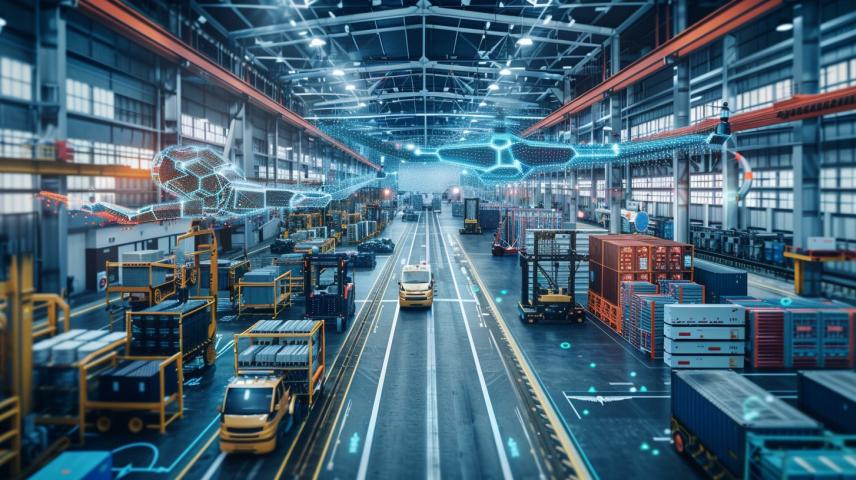
AI-powered drones and autonomous vehicles are being tested for food delivery, potentially reducing delivery times and labor costs.
Hyper-Personalization
Advanced AI models will offer highly personalized menus, nutrition recommendations, and subscription meal plans.
Smart Kitchen Integration
AI will integrate with smart kitchens to optimize cooking times, reduce errors, and improve order accuracy.
Predictive Customer Engagement
AI will predict customer needs and send proactive offers, reminders, and recommendations.
Conclusion
AI is transforming the food delivery ecosystem by enhancing personalization, optimizing logistics, improving security, and automating customer support. From smart recommendations to route optimization, AI-powered features are redefining how food delivery platforms operate.
For businesses and developers, integrating AI into food delivery app development offers significant opportunities to improve efficiency, reduce costs, and deliver superior customer experiences. As AI technology continues to evolve, its role in food delivery platforms will become even more critical, shaping the future of on-demand services.