Pharmaceutical supply chains are some of the most complex in the world, involving multiple manufacturers, distributors, wholesalers, logistics providers, and regulatory bodies. While this multi-layered structure helps move medicines across global markets, it also creates opportunities for fraud, manipulation, and counterfeit drug infiltration. Pharma supply chain fraud not only threatens business operations but also puts the lives of millions of patients at risk.
From falsified drug batches to diverted shipments and manipulated paperwork, fraudulent activities persist largely because traditional systems rely on fragmented data, manual documentation, and limited visibility. To address these vulnerabilities, the industry is increasingly turning to blockchain technology — a secure, transparent, and immutable digital ledger that can radically transform supply chain integrity.
Why Pharma Supply Chain Fraud Is Increasing
Pharmaceutical products, especially high-value drugs such as oncology treatments, biologics, hormones, and specialty injectables, are prime targets for fraudulent activities. The reasons include:
-
High profit margins on counterfeit drugs
-
Weak oversight across global supply chains
-
Paper-based documentation prone to manipulation
-
Limited end-to-end traceability
-
Criminal networks exploiting blind spots in distribution channels
According to the WHO, counterfeit medicines account for nearly 10% of the global medical product market, making supply chain fraud a billion-dollar criminal industry. With consumers depending on these products for survival, reinforcing the supply chain is not just an operational need — it’s a life-saving priority.
How Blockchain Helps Reduce Supply Chain Fraud
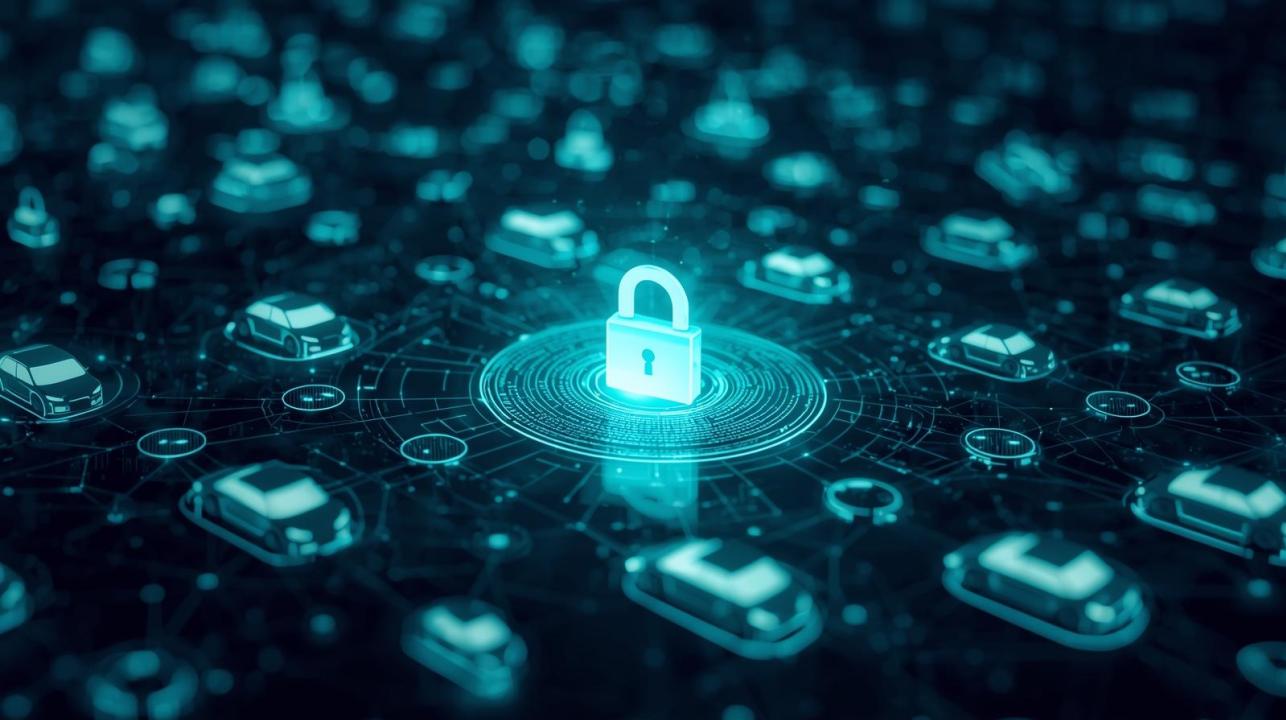
Blockchain acts as a tamper-proof digital backbone that records every transaction, shipment event, and data exchange across the pharmaceutical supply chain. Its unique attributes directly address major fraud challenges:
1. Immutable Records Prevent Data Manipulation
Traditional systems allow unauthorized edits or document alterations. With blockchain, once a record is added:
-
It cannot be altered, deleted, or overwritten
-
Every change produces a verifiable audit trail
-
Stakeholders gain complete trust in the data’s origin and accuracy
This eliminates fraudulent activities such as altering batch numbers, modifying expiry dates, or forging certificates.
2. Real-Time Traceability Closes Supply Chain Blind Spots
Each drug batch receives a unique digital identity stored on the blockchain. This enables:
-
Full traceability from raw materials → manufacturing → distribution → pharmacy
-
Verification of product origin at every checkpoint
-
Immediate detection of diversion, duplication, or unauthorized stops
Real-time visibility ensures that suspicious activities are flagged instantly, preventing fake products from reaching patients.
3. Tamper-Proof Serialization Safeguards Authenticity
Serialization is mandatory in many regions (DSCSA, FMD, etc.), but blockchain enhances it by:
-
Storing serial numbers on a secure ledger
-
Eliminating the possibility of cloned or reused codes
-
Protecting against packaging fraud
When data lives on blockchain instead of isolated databases, counterfeiters cannot forge or duplicate drug identifiers.
4. Transparency Across Stakeholders Eliminates Fraud Opportunities
Blockchain connects all supply chain participants through a single shared source of truth. This ensures:
-
No hidden transactions
-
No unverified handling points
-
No falsified documentation
With every action visible and verified, fraud becomes significantly harder to execute.
5. Smart Contracts Automate Compliance & Fraud Prevention
Smart contracts help:
-
Validate shipments automatically
-
Trigger alerts when conditions are violated
-
Enforce temperature and handling rules
-
Block unauthorized transfers
This automation reduces human errors and prevents fraudulent manual intervention.
How Blockchain Is Already Transforming Fraud Prevention
Many global pharma leaders are piloting or adopting blockchain-driven fraud prevention initiatives:
-
Pfizer, Merck, Walmart, & KPMG tested blockchain for DSCSA compliance
-
IBM's Pharma Blockchain Network is tracking drug authenticity
-
MediLedger is used for verifying prescription drug returns
These real-world applications demonstrate blockchain’s capability to safeguard the integrity of pharmaceutical supply chains at scale.
Supporting Link (Backlink Included)
To understand how blockchain enhances patient safety and pharmaceutical transparency at every step of the supply chain, you can explore this in-depth guide on how blockchain protects patients in the pharmaceutical industry.
(Anchor text added naturally and SEO-rich.)
Final Thoughts
Fraud in the pharmaceutical supply chain is not merely a financial issue — it is a direct threat to global health. Blockchain technology provides a powerful and practical pathway to reduce fraud by delivering unmatched transparency, traceability, and trust. As more pharmaceutical companies adopt blockchain-enabled systems, the industry moves closer to building a secure ecosystem where counterfeit drugs and fraudulent practices have no room to thrive.
By embracing blockchain, pharma stakeholders can finally create a supply chain that is safe, verifiable, and fraud-resistant — ensuring that patients receive only the highest-quality, authentic medications.