A well-functioning furnace is essential for keeping your home warm and comfortable during the cold months. However, like any mechanical system, furnaces experience wear and tear over time. Homeowners often face a critical question: should they repair their furnace, or is it time for a complete replacement? Understanding the signs can save you money, prevent unexpected breakdowns, and ensure your home remains safe and energy-efficient.
If you’re unsure about your furnace’s condition, scheduling a professional furnace service in Las Vegas is the first step. A qualified technician can assess your system, recommend repairs if feasible, and provide guidance on whether a replacement is more cost-effective.
Common Signs Your Furnace Needs Repair
Not every issue with your furnace requires a full replacement. Many problems can be addressed with timely repairs, keeping your system running efficiently for several more years. Look out for these warning signs:
1. Unusual Noises
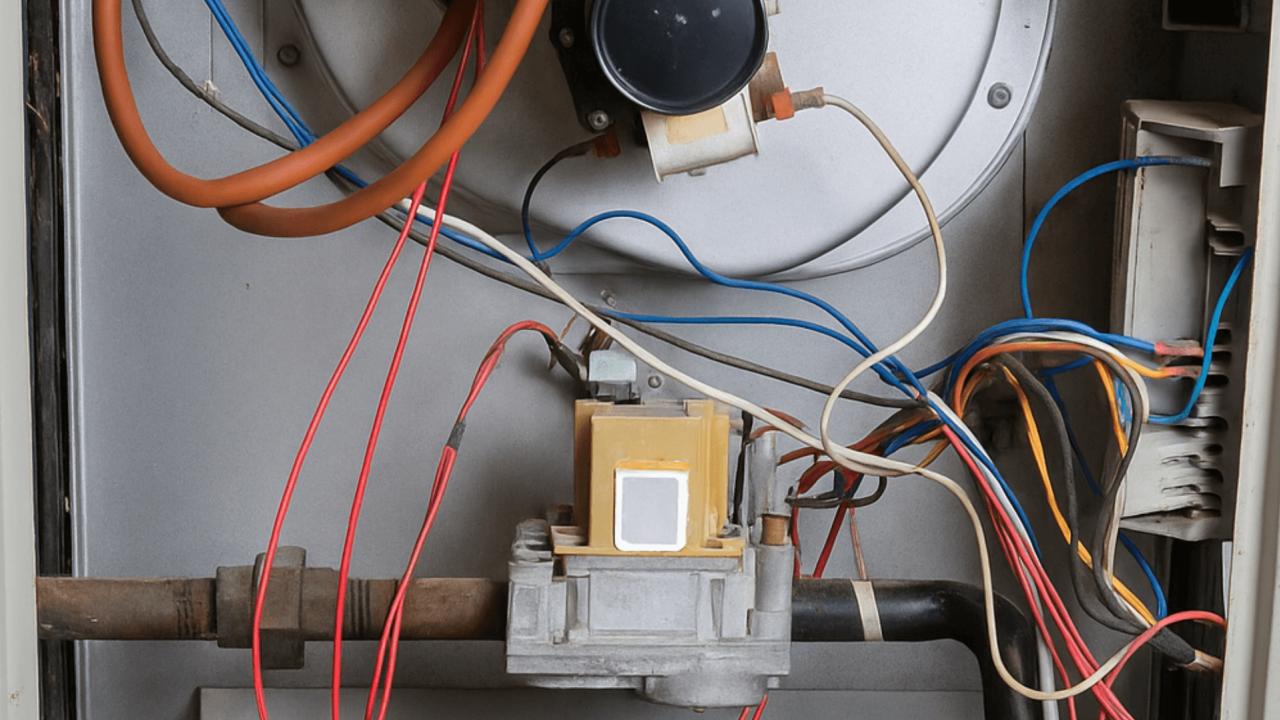
A furnace should operate relatively quietly. If you hear banging, rattling, or screeching, it could indicate loose components, worn-out bearings, or motor issues. Addressing these noises early can prevent more severe damage.
2. Frequent Cycling
If your furnace turns on and off more frequently than usual, it may be struggling to maintain the desired temperature. This could point to problems with the thermostat, air filter, or blower motor.
3. Increased Energy Bills
A sudden spike in heating costs can indicate that your furnace is working harder than necessary due to inefficiency. Dirty filters, worn parts, or minor duct issues may be the culprit. A technician can pinpoint the source and recommend repairs to restore efficiency.
4. Inconsistent Heating
Some rooms may feel warmer than others if your furnace is malfunctioning. Uneven heating often results from airflow issues or a failing blower motor. Repairs can often resolve these inconsistencies without replacing the entire system.
5. Pilot or Ignition Problems
If your furnace has a pilot light, it should stay lit consistently. A flickering or frequently extinguished pilot light, or problems with electronic ignition systems, can usually be repaired by a professional.
Signs You Might Need a Full Furnace Replacement
While repairs can extend a furnace’s life, there are situations where replacement is the more practical and economical option. Consider the following indicators:
1. Age of the Furnace
Most furnaces have a lifespan of 15 to 20 years. If your unit is approaching or exceeding this age, replacement is often a better investment than frequent repairs.
2. Repeated Breakdowns
If you’ve already had multiple repairs in the last few years, the system may be nearing the end of its usable life. Continual fixes can quickly add up to the cost of a new furnace, with no guarantee of long-term reliability.
3. Rust and Corrosion
Visible rust or corrosion on the furnace components or inside the heat exchanger is a serious concern. A compromised heat exchanger can lead to dangerous carbon monoxide leaks, making replacement the safest option.
4. Reduced Efficiency
Older furnaces or those with damaged components may struggle to heat your home efficiently, consuming more energy and raising utility bills. Modern furnaces are designed to meet higher energy standards, often providing significant long-term savings.
5. Strange Odors
Persistent burning, metallic, or gas-like odors coming from your furnace can indicate electrical issues, soot buildup, or gas leaks. If these problems are recurring, a full replacement may be necessary to ensure safety.
Making the Decision: Repair vs. Replacement
Deciding between repair and replacement involves balancing cost, safety, and efficiency. Here are a few factors to consider:
- Repair Costs vs. Replacement Costs: If the repair costs exceed 50% of a new furnace’s price, replacement may be more economical.
- Frequency of Repairs: Multiple repairs in a short period often suggest it’s time for a new system.
- Energy Efficiency: New furnaces offer improved efficiency and may qualify for rebates or tax incentives.
- Safety Concerns: Any signs of gas leaks, cracks in the heat exchanger, or corrosion should prioritize replacement over repair.
How Professional Furnace Services Help
A licensed furnace technician can provide a detailed evaluation and offer unbiased recommendations. They perform inspections, diagnose issues accurately, and ensure any repairs or replacements meet manufacturer standards. Regular professional maintenance can also extend the lifespan of your furnace, reduce energy costs, and prevent emergency breakdowns during extreme weather.
Preventative Measures to Extend Furnace Life
Even if your furnace is still in good working order, proactive maintenance can help delay the need for repairs or replacement:
- Regular Filter Changes: Dirty filters restrict airflow and cause the furnace to overwork.
- Annual Professional Maintenance: A yearly checkup can identify small issues before they become major problems.
- Thermostat Upgrades: Modern programmable thermostats help your system operate more efficiently.
- Duct Inspection and Cleaning: Clean ducts improve airflow and overall system performance.
Conclusion
Knowing whether your furnace requires a repair or a full replacement depends on observing the signs and understanding your system’s age, efficiency, and condition. Small repairs can extend the life of a functional furnace, while repeated issues, age, and safety concerns may point to the need for a replacement. Consulting with a professional for a furnace service ensures that your decision is safe, cost-effective, and tailored to your home’s needs.
Maintaining your furnace is not just about comfort—it’s about safety, efficiency, and protecting your investment. Taking action at the right time can keep your home warm and worry-free for years to come.