Filing a bike insurance claim can feel stressful, especially when it follows an accident, theft, or unexpected damage. Many policyholders lose valuable claim benefits simply because they are unaware of the correct process or documentation. Understanding the step-by-step process to file a bike insurance claim not only saves time but also ensures that you receive the rightful compensation without unnecessary delays or rejections.
This guide explains the complete bike insurance claim process in a simple, structured, and practical manner so you can act confidently when the need arises.
What Is a Bike Insurance Claim?
A bike insurance claim is a formal request
made by a policyholder to the insurance company seeking financial compensation
for losses covered under the policy. These losses may arise due to accidents,
theft, natural disasters, fire, or third-party liabilities.
Claims can broadly be categorized into:
·
Own-damage
claims – for damage to your bike
·
Third-party
claims – for injury or property damage caused to a third party
·
Theft
claims – in case the bike is stolen
Each type follows a similar process but may involve additional documentation.
Step-by-Step Process to File a Bike Insurance Claim
Step 1: Ensure Safety and Assess the
Situation
Your first priority after an accident should
always be personal safety. Move to a secure location if possible and check for
injuries. If a third party is involved, ensure medical assistance is provided
immediately.
Once safety is ensured, assess the extent of damage to your bike and note the circumstances of the incident.
Step 2: Inform the Insurance Company
Immediately
Notify your insurance provider as soon as the
incident occurs. Most insurers require intimation within a specific time frame,
usually 24 hours.
You can inform them through:
·
Customer care helpline
·
Mobile app
·
Website
·
Local branch
Delays in intimation may lead to claim rejection, especially in theft or third-party cases.
Step 3: File an FIR (If Required)
An FIR is mandatory in certain situations,
including:
·
Theft of the bike
·
Third-party injury or death
·
Major accidents involving legal liability
·
Fire or natural calamities
Ensure that the FIR clearly mentions the incident details, bike registration number, and location.
Step 4: Submit the Claim Form
After claim intimation, fill out the bike
insurance claim form provided by the insurer. This form captures essential
details such as:
·
Policy number
·
Date and time of incident
·
Location of incident
·
Description of damage or loss
Double-check all details before submission to avoid discrepancies.
Step 5: Document the Damage Properly
Take clear photographs or videos of:
·
Damaged bike parts
·
Accident site
·
Number plate
·
Surrounding conditions
These visual proofs play a crucial role during claim verification and help speed up the process.
Step 6: Surveyor Inspection
The insurer appoints a surveyor to inspect the
damage. The surveyor evaluates:
·
Extent of damage
·
Cause of loss
·
Repair cost estimate
·
Policy coverage applicability
Do not repair the bike before the surveyor’s inspection unless the insurer provides written approval.
Step 7: Repair the Bike at an Authorized
Garage
Once the surveyor gives approval, you can
proceed with repairs. Depending on your policy, the claim may be:
·
Cashless
– Repairs done at a network garage with direct settlement
·
Reimbursement
– You pay first and get reimbursed later
Always keep original bills, invoices, and payment receipts.
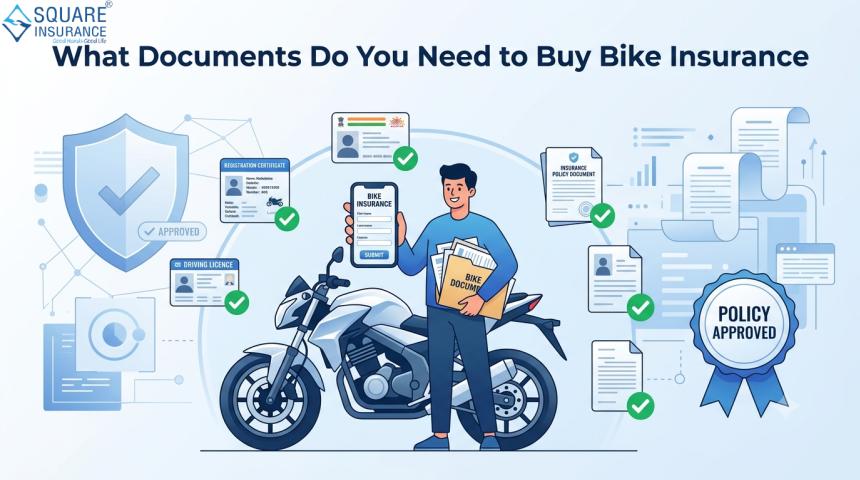
Step 8: Submit Required Documents
Common documents required for a bike insurance
claim include:
·
Claim form
·
Bike insurance policy copy
·
RC copy
·
Driving license
·
FIR (if applicable)
·
Repair bills and receipts
·
Photographs of damage
Submitting complete and accurate documents helps avoid delays.
Step 9: Claim Settlement
After document verification and final
assessment, the insurer processes the claim. The settlement amount is
calculated after deducting:
·
Policy excess
·
Depreciation (if applicable)
·
Non-covered parts
The approved amount is either paid directly to the garage or credited to your bank account.
Common Reasons for Bike Insurance Claim Rejection
Understanding common mistakes helps prevent
claim rejection:
·
Delay in claim intimation
·
Driving without a valid license
·
Policy expired at the time of incident
·
Misrepresentation of facts
·
Unauthorized repairs before inspection
Following the correct procedure minimizes these risks.
Tips to Ensure a Smooth Bike Insurance Claim
·
Always keep policy documents updated
·
Renew your policy on time
·
Add useful add-ons like zero depreciation
·
Avoid exaggerating damage details
·
Maintain transparency with the insurer
Being informed and proactive makes the process significantly smoother.
Conclusion
Filing a bike insurance claim does not have to
be complicated if you follow the right steps and act responsibly. From timely
intimation and proper documentation to cooperating during inspection, every
stage plays a vital role in successful claim settlement. Understanding this
process helps you stay financially protected during uncertain situations.
When it comes to comparing policies, understanding coverage, and managing bike insurance efficiently, Square Insurance helps simplify the journey by offering clarity, guidance, and informed decision-making support for bike owners.
Frequently Asked Questions
1. How long does it take to settle a bike
insurance claim?
Most bike insurance claims are settled within
7 to 30 days, depending on the type of claim and document submission.
2. Is FIR mandatory for all bike insurance
claims?
No, FIR is mandatory only for theft,
third-party claims, and major accidents involving legal liability.
3. Can I file a bike insurance claim online?
Yes, most insurers allow online claim filing
through their website or mobile app.
4. What happens if I repair my bike before
inspection?
Unauthorized repairs before surveyor
inspection may lead to claim rejection or reduced settlement.
5. Can I claim insurance for minor scratches?
Minor scratches are usually covered only if
repair cost exceeds the deductible amount mentioned in your policy.