What is the NOW TV App?
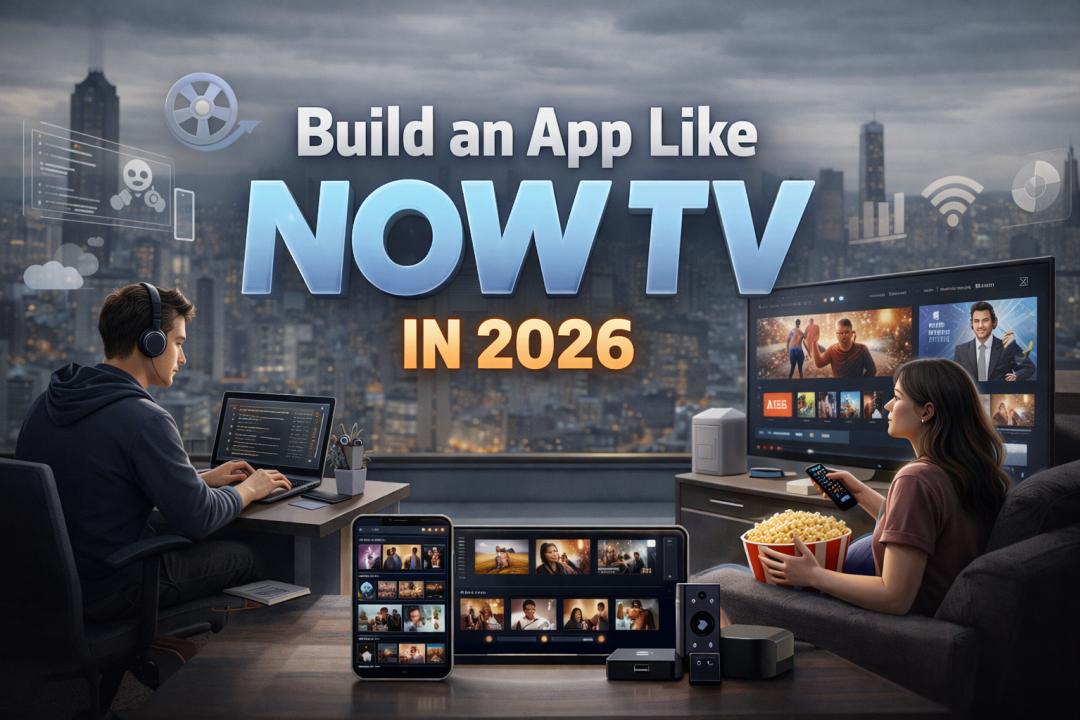
NOW TV is an on-demand streaming service that allows users to access a wide range of entertainment content, including live sports, movies, TV shows, and documentaries. It is often regarded as a more flexible alternative to traditional cable TV services, offering consumers the ability to watch content on a pay-per-view basis, without requiring a long-term contract. NOW TV was initially launched as a product of Sky Group and was aimed at customers who did not want to be tied down by the more rigid subscription models of traditional pay-TV providers.
The NOW TV app is available on a wide range of devices, including smartphones, tablets, smart TVs, laptops, and set-top boxes. This app allows users to stream content anywhere, anytime, as long as they have an internet connection. It offers several different "passes" to cater to different tastes, such as the Entertainment Pass, Sports Pass, Cinema Pass, and Kids Pass, allowing users to choose their subscription based on their content preferences.
The key feature of NOW TV is its flexibility. Unlike traditional cable subscriptions, there’s no need for users to commit to a long-term contract. They can purchase content as they go, making it a cost-effective and convenient option for those who want to avoid the high costs and commitment that often come with conventional TV services.
In recent years, NOW TV has positioned itself as a competitor to major streaming platforms like Netflix, Hulu, and Amazon Prime. Its diverse content offerings, which range from blockbuster movies to live sports, combined with its no-strings-attached pricing model, have made it a popular choice for people who prefer a la carte streaming services over all-inclusive platforms. As technology evolves, NOW TV continues to innovate and adapt, ensuring its relevance in the ever-changing streaming landscape.
Understanding the Streaming Market and Target Audience in 2026
Before diving into the process of building an app like NOW TV in 2026, it’s essential to understand the current trends and target audience of the streaming industry. Streaming services have become ubiquitous, with millions of users worldwide subscribing to platforms like Netflix, Amazon Prime, and Disney+. However, as more platforms enter the market, competition has increased, and the expectations of consumers have risen.
Evolution of the Streaming Market
By 2026, the streaming market will be more advanced and diverse than ever before. With advancements in internet speeds, especially the widespread availability of 5G networks, and increasing use of smart devices, users will expect an uninterrupted, high-quality streaming experience. Streaming will no longer be limited to just television and movies. VR and AR technologies will create new opportunities for immersive content, allowing users to experience entertainment in completely new ways.
Consumers are also seeking personalized experiences. Streaming apps that can tailor content suggestions based on user behavior and preferences will become increasingly popular. AI-driven recommendation engines, content curation based on viewing history, and personalized profiles will become standard features. As the demand for more customized, niche content increases, streaming services will need to adapt to offer content that goes beyond traditional blockbuster movies and shows.
The Evolving User Base
The user base of streaming services is increasingly diverse. Different generations—millennials, Gen Z, baby boomers, and even Gen X—are all active consumers of streaming content, each with their preferences and habits. For instance, Gen Z users are more likely to engage with bite-sized content and short-form videos on platforms like TikTok, while older generations may lean more toward traditional long-form TV series or movies.
However, all of these groups have one thing in common: they expect convenience and flexibility. With the rise of mobile-first users, the ability to stream on smartphones and tablets has become essential. In addition, with the popularity of smart TVs, streaming on large screens at home is now the default. In 2026, we will likely see even more connected devices being used to access content, from smart watches to in-car entertainment systems.
Streaming services will need to consider this broad spectrum of users and develop features that cater to the diverse needs of their audience. This includes providing various subscription models, high-quality video options, multiple language tracks, and diverse content libraries that can cater to all demographics.
How to Build an App Like NOW TV
Building an app like NOW TV requires a well-thought-out strategy, combining a strong technical foundation with an understanding of user needs and preferences. By partnering with an on-demand app development company, you can build a professional app like NOW TV, ensuring a seamless and high-quality experience for your users. Here’s how to approach the process:
1. Market Research & Planning: Start by analyzing the streaming landscape and understanding the demands of your target audience. Determine what sets your app apart from competitors and define your content strategy. Decide on the types of content you will offer (movies, sports, TV shows, etc.) and identify your revenue model (SVOD, AVOD, or hybrid).
2. Design UI/UX: Create an intuitive and visually appealing user interface that makes content discovery easy. Focus on simplicity and functionality, ensuring users can navigate through categories seamlessly. Incorporate personalization features, allowing users to create profiles and tailor recommendations based on their preferences.
3. Backend Development: Build a robust and scalable backend using cloud infrastructure (AWS, Google Cloud). Integrate Content Delivery Networks (CDNs) for smooth video streaming. Make sure to focus on data security, ensuring encrypted data transmission and implementing Digital Rights Management (DRM) to protect content.
4. Key Features: Add essential features like high-quality streaming (4K, HDR), multi-device compatibility, secure payment options, and personalized content recommendations using AI.
5. Testing & Launch: Conduct thorough testing to ensure the app functions smoothly across different devices and networks. Once ready, launch the app, focusing on strong marketing strategies and app store optimization to maximize visibility.
This approach will help you build a competitive, user-friendly streaming app.
Core Features to Include in Your Streaming App
Building an app like NOW TV in 2026 requires thoughtful integration of several core features. Let’s break these down.
Content Delivery & Video Streaming
At the heart of every streaming service is the ability to deliver high-quality content in real-time. To compete with NOW TV and other leading services, your app needs a robust video streaming engine capable of delivering smooth, buffer-free content to users across devices and networks. In 2026, expect the demand for 4K and 8K streaming to increase, and users will expect seamless playback even in lower bandwidth conditions.
Utilizing adaptive bitrate streaming ensures that users can watch content even on slower internet connections. The video stream quality should adjust based on the user’s available bandwidth. To handle this, consider using advanced Content Delivery Networks (CDNs) that can cache content closer to the user’s location, reducing latency and improving streaming quality.
Additionally, support for Ultra High Definition (UHD) formats, including 4K, HDR, and Dolby Vision, will be essential to meet user expectations for picture quality. As the demand for immersive viewing experiences grows, enabling support for technologies such as 360-degree video or even Virtual Reality (VR) may be a future-forward addition.
User Profiles & Personalization
One of the most powerful features of streaming apps is the ability to offer a personalized experience. This goes beyond basic recommendations to include tailored content that users will enjoy based on their viewing history, preferences, and behaviors. By incorporating machine learning and AI technologies, your app can track user habits and refine its suggestions accordingly.
Consider including features such as:
Customizable Profiles: Let users create multiple profiles within a single account to cater to different family members or groups.
Watchlists and Saved Content: Allow users to save shows, movies, or series for later viewing.
Content Filtering: Implement filters for genres, release years, or specific actors to help users find the content they want.
Advanced Search: Utilize AI to allow users to search for content using voice commands, making it faster and more intuitive to find what they want.
Subscription Models and Monetization
To make your app profitable, offering different subscription models is crucial. By 2026, the subscription model will likely be even more sophisticated, with users expecting various options that cater to their consumption habits. The following monetization strategies are worth considering:
Freemium Model: Provide free content with ads or limited access to premium content. Users can then pay for premium passes or ad-free experiences.
Pay-Per-View: For special events like sports, exclusive shows, or blockbuster movies, users can pay on-demand for content.
Tiered Subscriptions: Similar to NOW TV’s existing approach, offer different tiers of access. For example, an Entertainment Pass, a Sports Pass, or a Cinema Pass, each offering different content libraries.
In addition to subscriptions, advertising-based monetization models (AVOD), where users watch ads in exchange for free content, will remain a key revenue source. Hybrid models that combine SVOD (Subscription Video on Demand) with limited ads are likely to become the standard, giving users flexibility while maximizing revenue opportunities.
User Interface (UI) and User Experience (UX) Design Considerations
The design of your streaming app plays a significant role in determining its success. A well-crafted UI & UX design services ensure that users can easily navigate the platform, find the content they want, and enjoy a smooth, enjoyable experience. In 2026, user expectations for design will be higher than ever, with a focus on simplicity, intuitiveness, and immersive features.
Intuitive Navigation and Design
One of the key aspects of building a successful streaming app like NOW TV is providing users with a simple, intuitive navigation system. Users should be able to find content quickly and without confusion. The design should allow them to easily browse categories like movies, TV shows, live sports, and documentaries. An effective UI will help users engage with content faster, which will lead to higher satisfaction and retention rates.
In 2026, apps will likely incorporate voice search features and other smart technologies that allow users to search for content without needing to type. Integration with virtual assistants like Siri, Alexa, or Google Assistant will further enhance accessibility and convenience.
Moreover, incorporating dark mode as a default theme is becoming increasingly important, especially with users spending long hours watching content on their devices. Dark mode reduces eye strain, offers a modern aesthetic, and improves battery life on OLED devices, making it a must-have feature for any app targeting modern users.
Accessibility Features
By 2026, it’s expected that accessibility features will be even more important for streaming apps. Users with visual or hearing impairments will expect streaming apps to provide features like closed captioning, audio descriptions, and customizable text sizes. Designing an app with these features not only helps expand your user base but also ensures you comply with accessibility regulations and guidelines.
Accessible design should also include color contrast and visual cues to help users with limited vision navigate the interface. Voice control options are becoming more advanced, so incorporating voice-activated navigation could be key for people with mobility or dexterity impairments.
Seamless Cross-Device Experience
Streaming apps in 2026 will need to offer a seamless cross-device experience. Users expect to be able to start watching content on one device and pick it up on another without losing their progress. For example, a user might begin watching a movie on their smartphone while commuting and then continue it on their smart TV when they get home.
This requires an efficient syncing mechanism that can track user activity across devices, maintaining data on what content they’ve viewed and where they left off. This synchronization should also extend to user preferences, so the app consistently delivers the same personalized experience across different platforms, whether it's a TV, mobile, or tablet.
Backend Development and Technology Stack
The backend of your streaming app is just as important as the frontend. It needs to be robust, scalable, and able to handle large volumes of content and user traffic. As you plan to build an app like NOW TV, you'll need to consider several key technologies for backend infrastructure, including cloud hosting, content delivery, security, and data management.
Cloud Storage and Hosting
With the growing demand for high-quality video streaming, cloud infrastructure will be essential to deliver content quickly and efficiently. Cloud storage allows for easy scaling, high availability, and the ability to store large amounts of video data. Leading cloud service providers like AWS, Google Cloud, and Microsoft Azure offer reliable cloud storage and compute services designed to handle the heavy demands of streaming.
Cloud hosting services will also ensure that content is served from multiple locations worldwide, which reduces latency and improves streaming performance. By using a Content Delivery Network (CDN), you can cache content in different regions, ensuring that users get fast access to video streams no matter where they are located.
Content Delivery Networks (CDNs)
A CDN is a crucial component in delivering video content efficiently to a global audience. CDNs store copies of your video content in multiple locations around the world. When a user requests a video, the CDN will serve it from the closest location, minimizing latency and buffering times. This is especially important when dealing with high-resolution video formats like 4K, where large file sizes need to be transferred without interruptions.
Selecting the right CDN provider is essential for the performance of your app. Providers like Akamai, Cloudflare, and Amazon CloudFront have a strong track record in delivering streaming content with high reliability and speed. By leveraging CDNs, your app will be able to scale as more users join and as demand for high-definition content grows.
Security Measures
Security is a critical consideration in any streaming platform, especially one that offers subscription-based services like NOW TV. You’ll need to implement various security protocols to protect user data, prevent piracy, and ensure content protection.
Encryption: Use advanced encryption protocols like AES (Advanced Encryption Standard) to secure content during transmission. This ensures that video streams are protected from unauthorized access.
Digital Rights Management (DRM): Implement DRM technologies to prevent unauthorized distribution of copyrighted content. This is essential for content providers and rights holders to feel secure about licensing their content on your platform.
User Authentication: Implement secure user authentication methods, such as multi-factor authentication (MFA), to prevent account hacking and protect user information.
Security also extends to preventing data breaches and ensuring that your users' personal and payment information is kept safe. Regulatory compliance, such as adhering to GDPR in Europe or CCPA in California, will be essential in maintaining trust with users and staying within legal frameworks.
Integration of AI and Machine Learning
In 2026, artificial intelligence (AI) and machine learning (ML) will play a pivotal role in shaping user experiences in streaming apps. By leveraging professional AI app development services, your app can offer highly personalized content, deliver smarter recommendations, and significantly enhance user engagement. Let’s explore how AI and ML can be used in your app:
Personalized Content Recommendations
AI-driven recommendation engines will be essential in ensuring that users are always presented with content that matches their preferences. By analyzing users’ viewing history, behaviors, and interaction patterns, machine learning models can offer suggestions that feel natural and relevant. The more data the system collects, the better it becomes at predicting what users will enjoy, enhancing retention rates and engagement.
For example, if a user often watches action movies, the recommendation engine will prioritize similar titles. Likewise, the system could suggest new shows based on a user’s current interests or even social trends.
Smart Search and Voice Commands
Voice search is another feature that will define the user experience in 2026. By integrating voice recognition technologies, you can allow users to search for content without needing to type. Using AI-powered voice assistants, users can say things like “Show me the latest superhero movies” or “Play the next episode of Stranger Things,” and the app will automatically pull up the relevant content.
Beyond voice search, AI can also enhance content discovery by analyzing the audio and visual elements of content, creating more dynamic and intuitive ways to find relevant shows or movies.
Content Licensing and Partnerships
When building an app like NOW TV, securing high-quality content is crucial. The success of a streaming platform largely depends on the diversity and exclusivity of its content library. Content licensing and strategic partnerships with content providers will allow your app to offer the best selection of movies, TV shows, sports events, and other valuable entertainment. Without the right content, even the most well-designed app can fail to attract or retain users.
Securing Content Rights
Acquiring content rights is one of the most complex and expensive parts of building a streaming service. There are two main types of content: licensed content and original content.
Licensed Content: This is content that you acquire from third-party producers or studios. Licensing involves negotiating with content owners to obtain the rights to stream their movies, TV shows, sports events, and other forms of media on your platform. Depending on the deal, licenses can be exclusive (only available on your platform) or non-exclusive (available on multiple platforms).
For example, you could secure rights for popular movies from Hollywood studios or sign deals with regional TV networks for local programming. The length of licensing agreements can vary, and you may need to renegotiate them after a few years.
Original Content: To differentiate your service from competitors, it’s important to produce original programming, which can attract a loyal audience and increase user engagement. Think of how NOW TV’s parent company, Sky, has produced successful shows and how Netflix and Amazon have made their own mark with original series and films. Producing original content allows you to stand out by offering something that’s not available anywhere else, attracting users who want access to exclusive content.
In 2026, it will be crucial to focus on a mix of licensed and original content to keep your offering fresh and competitive. High-quality productions, exclusive deals with popular talent, and big-budget series or sports events will help you build a strong content portfolio that can rival the best in the industry.
Strategic Partnerships with Content Providers
Beyond just licensing, building partnerships with content providers, studios, and networks is essential to create a sustainable content ecosystem. Partnering with media conglomerates and independent creators alike can help ensure that your platform is always stocked with fresh content.
Media Companies: Collaborate with large media corporations to secure a steady stream of blockbuster content. For instance, aligning with HBO, Disney, or Paramount can give you access to a massive content library, including exclusive films and shows.
Sports Leagues and Events: Sports is a huge market for streaming apps, and offering live sports events could significantly increase the appeal of your app. Partnering with leagues like the Premier League, NBA, NFL, or local sports networks to offer live streaming rights can make your platform a go-to for sports fans.
Indie Creators and Studios: To offer a diverse range of content, it's also valuable to support independent filmmakers and content creators. Creating deals with indie studios or even partnering with emerging YouTubers and influencers to distribute exclusive content could add a unique touch to your app’s catalog.
Geo-Restrictions and Regional Licensing
One thing to keep in mind is the geography of content rights. Content that is licensed in one region may not be available in others due to territorial restrictions. This is particularly true for global content, such as movies and sports. To solve this, you’ll need to negotiate geo-specific licensing deals and possibly introduce a system that identifies the user's location to provide access to appropriate content.
For example, a sports event may be available in the U.S. but not in Europe. To navigate this issue, consider implementing a region-based content delivery system, and be transparent with users about the availability of content based on their location.
Monetization Strategies and Business Models
When creating a streaming app like NOW TV, having a sustainable and profitable business model is crucial. The right monetization strategy will allow you to cover content acquisition costs, infrastructure, marketing, and eventually make a profit. There are several monetization strategies to consider, each catering to different user preferences and content types.
Subscription-Based Revenue (SVOD)
The subscription video-on-demand (SVOD) model is one of the most popular and effective ways to generate revenue in the streaming industry. This is the model used by services like Netflix, Hulu, and NOW TV, where users pay a monthly or yearly fee for access to premium content.
Tiered Subscriptions: Offer different pricing tiers to appeal to a wider range of users. For instance, a basic plan might offer limited access to content, while a premium plan could include higher-quality streams (4K, HDR), exclusive content, and no ads.
Ad-Free Options: Providing ad-free options for a higher monthly price is a popular strategy that ensures a smoother viewing experience for users who are willing to pay extra.
Advertising-Based Monetization (AVOD)
Another model to consider is advertising-based video-on-demand (AVOD). This model allows users to access content for free, but in exchange, they must watch ads during their viewing experience. This is a great way to attract users who might be hesitant to pay for subscriptions upfront.
Dynamic Ad Insertion: As part of AVOD, implementing dynamic ad insertion allows you to serve targeted ads to users based on their demographic and behavioral data. This increases ad revenue as brands can target specific user groups with highly relevant ads.
Hybrid Model (SVOD + AVOD)
Combining the subscription and ad-based models is a smart way to maximize revenue. A hybrid model, where users can choose to pay for an ad-free experience or opt for a lower-cost subscription with ads, offers flexibility and can cater to different audience preferences. You can also offer a free trial period, so users get a taste of the content before committing to a paid plan.
Transactional Video-On-Demand (TVOD)
For special events, premium content, or exclusive early releases, you can offer a pay-per-view model. This is often used for live sports events, concerts, and special movie releases. Users can pay a one-time fee to access these events, which could be a valuable revenue stream for niche content.
In-App Purchases and Merchandising
Aside from subscriptions and ads, another option is to offer in-app purchases or merchandise related to popular content on your platform. For example, you can sell exclusive behind-the-scenes footage, themed merchandise, or content bundles (e.g., a movie plus an exclusive interview with the cast). This model can also apply to integrating games or other interactive content that users may want to purchase.
Developing for Future Technologies
As we move closer to 2026, technologies like Virtual Reality (VR), Augmented Reality (AR), 5G, and blockchain will continue to shape the way we consume content. It’s important to future-proof your app and prepare for the next wave of technological innovations.
VR and AR Integration
Virtual and augmented reality are expected to revolutionize the way users engage with content in the coming years. While these technologies are still in their early stages for streaming apps, by 2026, we can expect immersive content experiences, such as VR movies or live sports events where users feel like they’re physically present at the venue.
Consider incorporating VR support, where users can watch movies or shows in a fully immersive environment, or integrate AR features that allow viewers to interact with content in new ways, such as seeing characters or objects overlaid in their real-world environment.
5G and Low-Latency Streaming
With 5G networks becoming more widespread, the possibilities for streaming will expand significantly. 5G offers low latency, higher download speeds, and more stable connections, allowing for better-quality video streams with less buffering. In 2026, 5G will make ultra-high-definition content (4K, 8K) more accessible, even on mobile networks.
Blockchain for Content Distribution
Blockchain technology could revolutionize the way content is distributed and monetized. With blockchain, creators and content owners can have more control over their intellectual property and receive faster payments. Additionally, smart contracts can automate royalty payments to creators and content providers, ensuring transparency and reducing the need for intermediaries.
Quality Assurance and Testing
When developing an app like NOW TV, quality assurance (QA) and thorough testing are essential to ensuring a smooth, bug-free user experience. In 2026, users will expect flawless performance across a wide range of devices and networks, which makes QA an integral part of the development process. Rigorous testing will help identify potential issues before your app goes live, ensuring that the app meets user expectations for reliability and functionality.
Testing for Different Devices and Platforms
One of the most challenging aspects of developing a streaming app is ensuring compatibility with various devices and platforms. Users will access your app from smartphones, tablets, smart TVs, desktop computers, and even wearables, so it’s important to make sure that the app functions seamlessly on each device.
Cross-Platform Testing: Use cross-platform testing tools to ensure the app delivers a consistent experience across Android, iOS, web browsers, and smart TVs. It’s critical to test for different screen sizes, resolutions, and operating systems, so your app is compatible with a broad range of devices.
Device Fragmentation: Different manufacturers and operating systems mean that apps need to be tested across multiple device configurations. For example, Android phones come in a wide variety of models, each with its own specifications. Testing the app on multiple devices helps ensure it works across the entire Android ecosystem, from budget devices to high-end flagships.
Responsive Design: Ensure that the app is responsive and adaptive to different screen sizes and orientations. This is particularly important for smart TVs and mobile devices, where the user interface (UI) must adjust to suit different user interactions and display resolutions.
Performance Testing
As streaming apps often deal with large amounts of data, performance testing is key to ensuring smooth playback and fast load times. Some specific aspects to consider include:
Load Testing: Simulate heavy traffic to test how your app performs under stress. Streaming apps can experience sudden surges in traffic, especially during popular events, and your infrastructure must be able to handle high volumes of concurrent users.
Latency and Buffering: Video streaming apps must ensure minimal buffering and high-quality playback, especially when users are streaming HD or 4K content. Testing your video delivery system in real-world network conditions (e.g., 3G, 4G, 5G, and Wi-Fi) will help identify potential performance bottlenecks.
End-to-End Testing: This involves testing the entire user experience from start to finish. It includes loading the app, logging in, browsing content, streaming a video, interacting with the UI, and closing the app. This ensures that the app is functional and responsive from a user’s perspective.
Security Testing
Streaming platforms handle sensitive user data, such as payment information, user profiles, and personal viewing history. Security is paramount, and you’ll need to perform rigorous security testing to ensure that your app is protected against potential threats, such as hacking, phishing, or data breaches.
Penetration Testing: Simulate cyberattacks on your platform to identify any vulnerabilities in your system. This includes testing your app’s APIs, authentication methods, and encryption protocols to ensure data security.
Data Privacy: In 2026, privacy laws will likely be even stricter, with more countries enforcing data protection regulations. Make sure your app complies with privacy regulations like GDPR (General Data Protection Regulation) or CCPA (California Consumer Privacy Act). This includes encrypting sensitive user data and ensuring that users have control over their personal information.
Usability and UX Testing
Usability testing focuses on evaluating how intuitive and user-friendly your app is. It’s essential to gather feedback from real users to understand their pain points and identify areas of improvement in the app’s design.
A/B Testing: Use A/B testing to compare different versions of features, such as UI layouts, button placements, or content recommendation algorithms. This helps you determine which version offers the best user experience.
User Flow Testing: Test different user journeys through the app, such as signing up, browsing content, and starting a stream. Make sure that the experience is as smooth and intuitive as possible.
Continuous Testing During Development
Testing shouldn't stop once the app is launched. In 2026, it’s important to adopt a continuous testing approach, which integrates QA processes into every stage of development. This helps ensure that issues are detected early on and that the app continues to function as expected as new features are added or changes are made.
You can integrate automated testing tools to quickly test new code and minimize the risk of introducing bugs during the development phase. By continuously monitoring the app for potential issues, you can provide timely updates and patches, ensuring users enjoy a seamless experience.
App Marketing and Launch Strategy
A strong marketing strategy is crucial to ensure that your streaming app reaches the right audience and becomes a success in a competitive marketplace. The process of launching an app like NOW TV in 2026 will involve building anticipation, promoting the app across channels, and keeping users engaged after launch. Let’s break down some effective strategies for marketing and launching your app.
Pre-Launch Campaigns and Hype Building
Before your app officially launches, you’ll want to start building awareness and excitement among potential users. A successful pre-launch campaign can create a buzz around your app and drive early sign-ups. Here are some pre-launch strategies to consider:
Teasers and Trailers: Create engaging trailers or teaser videos that showcase the key features of your app. Share these on social media platforms, your website, and video-sharing platforms like YouTube.
Beta Testing: Invite users to join an exclusive beta program before the official launch. This not only helps with testing and gathering feedback, but it also creates a sense of exclusivity, making users feel like they’re part of something special.
Influencer Partnerships: Collaborate with influencers, particularly those in the entertainment and tech space, to build hype. Influencers can share their experiences with the app, offering a sneak peek of exclusive content or features to their followers.
Landing Pages and Email Campaigns: Create a landing page that highlights the app’s features and benefits. Encourage visitors to sign up for early access or exclusive offers. Use email marketing to engage with potential users and keep them updated on the app’s progress.
Post-Launch Updates and Community Engagement
Once your app is launched, the work doesn’t stop. To retain users and build a loyal customer base, you’ll need to continuously engage with your audience and keep the app fresh with new content and features. Here are a few ways to keep users engaged:
Frequent Content Updates: Regularly update the app with fresh content to keep users coming back. Whether it’s adding new movies, TV shows, or sports events, ensuring that your app’s content library is always evolving will help maintain user interest.
Push Notifications: Use push notifications to alert users about new content, upcoming events, or app updates. Make sure notifications are personalized and timely to avoid spamming users.
Social Media and Community Building: Engage with users on social media platforms like Instagram, Twitter, and Facebook. Encourage users to share their experiences, reviews, and favorite content. You could also create an online community where users can discuss shows, movies, and sports, fostering a sense of connection.
User Feedback and Surveys: Solicit feedback from users regularly to understand what they like and dislike about the app. Use this feedback to make continuous improvements and ensure the app meets the needs of its audience.
App Store Optimization (ASO)
Optimizing your app’s listing on app stores (Google Play Store, Apple App Store) is crucial to increase visibility and drive downloads. App Store Optimization (ASO) involves optimizing keywords, app descriptions, and visuals to make your app discoverable to potential users.
App Title and Keywords: Choose a title and relevant keywords that reflect the app’s purpose. Focus on terms like “streaming,” “on-demand,” and “live sports” to attract users searching for similar services.
Compelling Visuals and Screenshots: Include high-quality screenshots and demo videos to showcase the app’s interface, features, and content. Make sure they reflect the app’s modern design and functionality.
User Reviews and Ratings: Encourage satisfied users to leave positive reviews and ratings. This can help improve your app’s ranking on the app store, making it easier for potential users to discover it.
Post-Launch Maintenance and Continuous Improvement
Once your app is launched, it’s important to continue monitoring its performance, gather feedback from users, and make improvements. Continuous improvement ensures that your app stays relevant, user-friendly, and competitive.
App Monitoring and Analytics
Use app analytics tools like Google Analytics, Firebase, or Mixpanel to track user behavior, content consumption patterns, and other key metrics. Monitoring performance in real time helps identify areas that need improvement, whether it's optimizing loading times, fixing bugs, or refining features.
Bug Fixes and Updates
Address any issues that arise quickly and release regular updates to fix bugs and improve functionality. Keeping your app updated ensures that users have a positive experience and reduces the chances of them switching to a competitor.
Feature Enhancements
Regularly release new features based on user feedback and market trends. This could include integrating new technologies, such as AR/VR, improving the UI/UX, or expanding the content library. Offering new content or experiences keeps the app fresh and engaging.
Conclusion: The Future of Streaming Apps
As we look ahead to 2026, building a streaming app like NOW TV will require not just technical expertise but a strategic vision that combines careful planning, strong partnerships, and continuous innovation. The landscape of entertainment is constantly evolving, and in order to succeed, your app will need to deliver a seamless, high-quality experience that resonates with users. The key to staying competitive in an increasingly crowded market lies in offering personalized, diverse content, ensuring a flawless user experience, and maintaining a sustainable and flexible business model.
In 2026, technology will continue to transform the way users interact with content. By embracing innovations such as AI-powered recommendations, ultra-fast 5G streaming, and immersive VR or AR experiences, you can position your app to not only meet the demands of today’s audience but also anticipate the needs of future viewers. This forward-thinking approach will ensure that your app stands out, offering something unique and relevant in a constantly shifting digital environment.
As the streaming industry grows, so will the competition. However, the opportunity to carve out a niche remains significant. By focusing on delivering real value through exclusive, high-quality content, exploring flexible and diverse monetization models, and integrating future-ready technologies, your app can thrive in this competitive market. Whether it’s through partnerships with content creators, new business models, or innovative user experiences, the potential to build a successful and engaging streaming service is vast. With a proactive mindset and a commitment to staying ahead of the curve, your app can evolve into a market leader, ensuring long-term success in the dynamic entertainment landscape. Partnering with a professional app development company like Dev Story can help you bring your vision to life quickly and efficiently, ensuring your platform stands out in the crowded streaming space.