
Buying car insurance is a critical step for every vehicle owner. It not only
fulfills legal requirements but also safeguards your car and finances against
accidents, theft, and other unforeseen events. However, choosing the right
policy can be overwhelming due to the variety of insurers, coverage options,
and add-ons available. Following a systematic approach ensures you select the
best policy for your needs while avoiding unnecessary costs or gaps in
coverage.
This guide outlines the top 10 steps to follow while buying car insurance to make
the process smooth, informed, and secure.
1. Assess Your Coverage Needs
Before buying car insurance, determine what type of coverage suits you best.
Car insurance policies generally fall into two categories:
·
Third-Party Liability Insurance:
Covers damages to other vehicles, property, or individuals in an accident. It
is the minimum legal requirement in most countries.
·
Comprehensive Insurance: Covers
both your own vehicle and third-party liabilities. It may also include coverage
for natural disasters, theft, and vandalism.
Evaluate your car’s age, usage frequency, and personal risk tolerance to
decide which policy type aligns with your needs.
2. Research and Compare Insurers
Not all car insurance providers offer the same benefits, claim process, or
customer service quality. Research multiple insurers and compare:
·
Premium costs
·
Coverage limits
·
Add-on options
·
Claim settlement ratio
·
Customer support ratings
Choosing a reliable insurer ensures faster claim processing and reduces the
likelihood of disputes during emergencies.
3. Check Policy Inclusions and Exclusions
Every insurance policy comes with inclusions (what is covered) and exclusions
(what is not covered). Common inclusions are accident coverage, theft, and fire
damages, while exclusions may include:
·
Driving under the influence
·
Unauthorized modifications
·
Using the car for commercial purposes without
prior declaration
Understanding these details prevents surprises during claims and helps you
choose additional coverage if needed.
4. Consider Optional Add-on Covers
Add-ons enhance the protection offered by your base policy. Common car
insurance add-ons include:
·
Zero Depreciation Cover
·
Engine and Gearbox Protection
·
Return to Invoice Cover
·
Roadside Assistance
·
Tyre and Consumables Cover
Select add-ons based on your car’s age, value, and your personal
requirements. While they may increase premiums, the long-term benefits often
outweigh the cost.
5. Verify Premium Calculation Factors
Car insurance premiums are influenced by multiple factors:
·
Vehicle age and model
·
Geographic location
·
Past claim history
·
Chosen coverage and add-ons
·
No Claim Bonus (NCB) eligibility
Understanding these factors helps you anticipate the cost and identify ways
to reduce premiums, such as choosing a higher deductible or maintaining a clean
driving record.
6. Gather Necessary Documents
Having all required documents ready simplifies the application process.
Typically, you will need:
·
Vehicle Registration Certificate (RC)
·
Driver’s license
·
Previous insurance policy (for renewals)
·
No Claim Bonus proof (if applicable)
Accurate documentation prevents delays and ensures your policy is issued
without complications.
7. Evaluate Discounts and Offers
Many insurers provide discounts for online purchases, loyal customers, or
claim-free records. Some common discounts include:
·
No Claim Bonus (NCB)
·
Digital policy purchase discounts
·
Multi-car or family policies
Compare available offers and ensure you meet eligibility requirements before
finalizing your policy.
8. Review Policy Terms Carefully
Before completing the purchase, carefully review your policy documents,
including:
·
Sum insured and coverage limits
·
Deductibles or voluntary excess
·
Renewal terms
·
Add-on details
Confirm that all information is accurate, as mistakes or omissions may
affect claim approvals in the future.
9. Make Secure Payment
Choose a secure and reliable payment method when purchasing car insurance
online. Most insurers accept:
·
Net banking
·
Credit/Debit cards
·
UPI
·
Digital wallets
Ensure you receive a payment confirmation and keep proof of payment for
records.
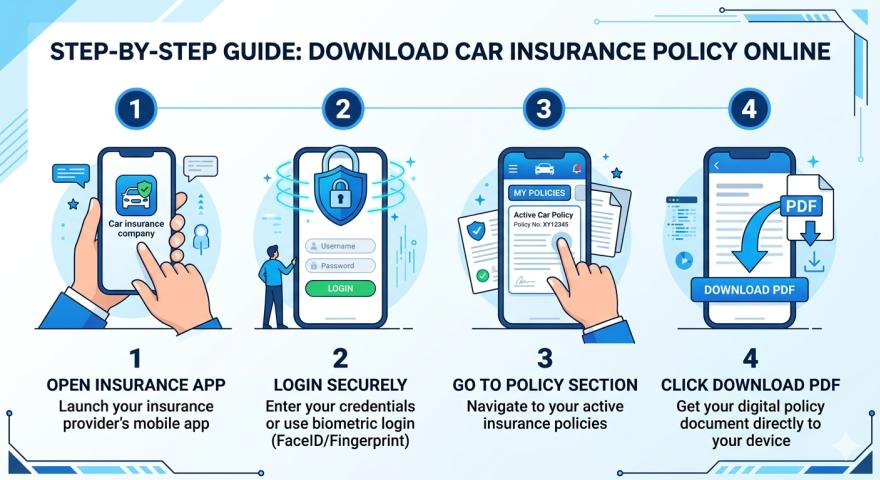
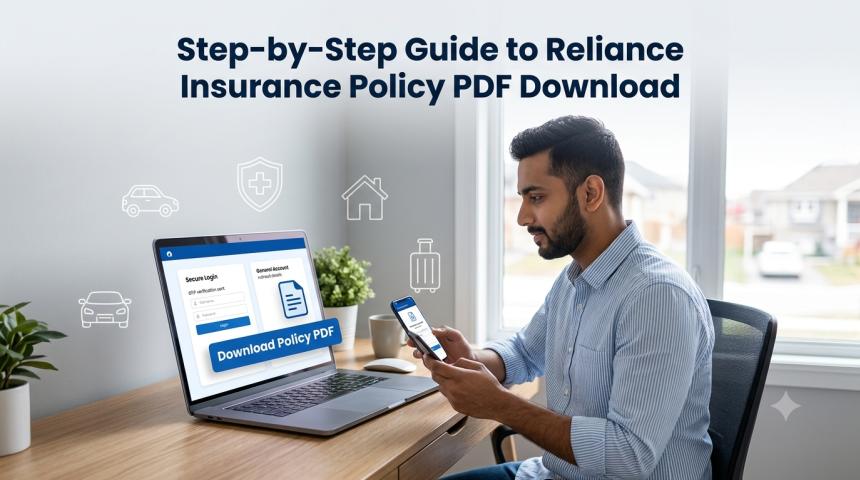
10. Download and Store Your E-Policy
Once your payment is processed, download your electronic insurance
policy (e-policy). Store it safely on your device or cloud storage and
keep a printed copy in your vehicle if needed. The e-policy is legally valid
and can be used for claims, roadside inspections, or verification purposes.
Conclusion
Buying car insurance doesn’t have to be complicated. By following these top 10 steps,
you can select the right coverage, minimize financial risks, and enjoy peace of
mind while driving. From assessing your coverage needs to comparing insurers,
understanding policy terms, and choosing relevant add-ons, a structured
approach ensures a smooth and efficient process. Platforms like Square Insurance simplify online car insurance purchases, offering a seamless
experience with transparent pricing, customizable add-ons, and instant e-policy
issuance.
Frequently Asked Questions
1. What documents are required to buy car insurance?
Vehicle Registration Certificate (RC), driver’s license, previous insurance
(for renewals), and proof of No Claim Bonus if applicable.
2. Can I buy car insurance online instantly?
Yes, most platforms allow instant online purchase and policy issuance after
document verification and payment.
3. Are add-on covers necessary?
Add-ons are optional but recommended for additional protection, especially for
new, high-value, or frequently used vehicles.
4. How is car insurance premium calculated?
Premiums are based on factors such as vehicle age, model, location, coverage
type, past claim history, and add-ons.
5. Is an e-policy legally valid?
Yes, electronic insurance policies issued by licensed insurers are fully legal
and recognized by authorities.