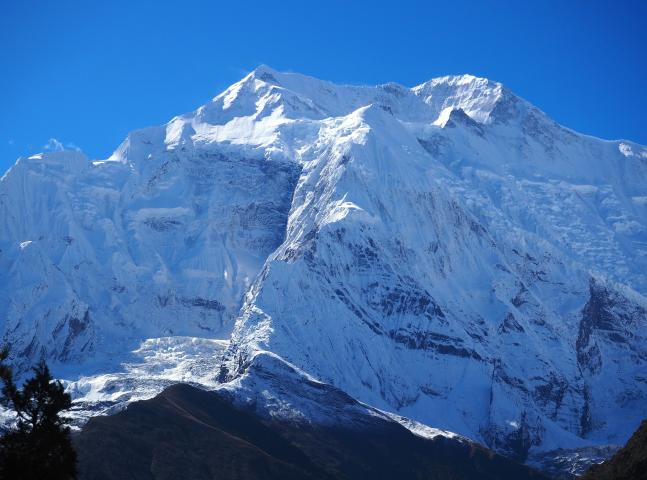
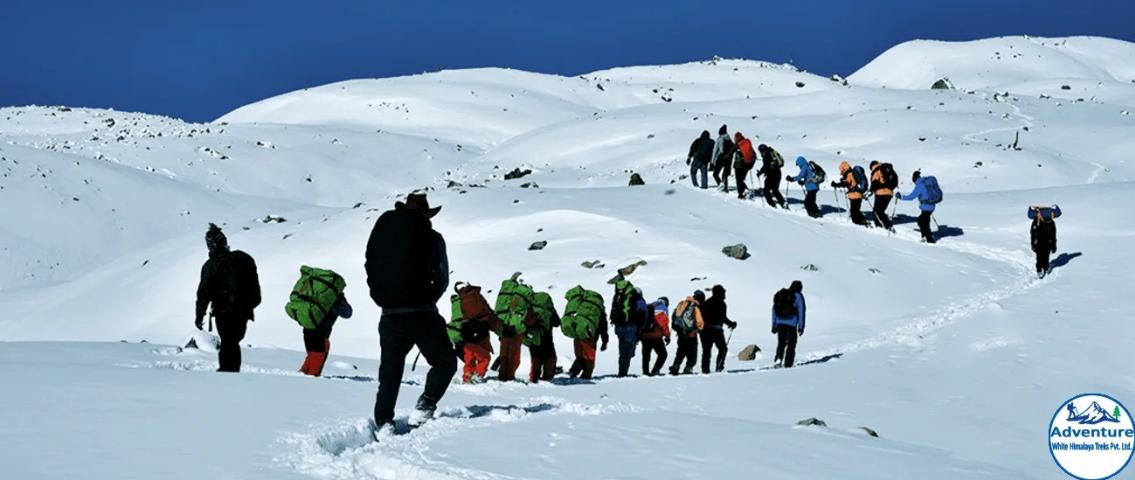
Have you ever dreamed of standing on a snowy peak, looking out at the vast Himalayas? Climbing Imja Tse, also known as Island Peak, is one of the best ways to make that dream come true. This adventure takes you through stunning landscapes, challenging trails, and finally to the top of a mountain that feels like it touches the sky. It is a test of endurance, courage, and determination, but the view from the summit makes every step worth it.
Why Island Peak Is Special
Island Peak is one of Nepal’s most popular trekking peaks. Its unique shape, like an island rising from the glacier, makes it an iconic sight in the Everest region. Climbing this peak is not only about the summit—it’s about the journey through some of the most breathtaking valleys in the world. Trekkers pass through rhododendron forests, wide rivers, and high-altitude villages, experiencing nature in its purest form.
The climb also introduces trekkers to the local Sherpa culture. These hardy people have lived in the mountains for centuries, guiding climbers and sharing their knowledge of the peaks. Staying in teahouses along the trail gives you a glimpse into their simple, yet strong way of life.
Trekking Statistics
For those who love numbers, the Island Peak Climbing adventure usually takes 14–16 days. The total distance covered is around 120 kilometers (75 miles), including the trek to base camp and the summit climb. The maximum elevation reached is 6,189 meters (20,305 feet) at the top of Imja Tse. While the climb requires basic mountaineering skills, including using crampons and ice axes, the trail is well-established, making it possible for determined trekkers with moderate experience to reach the summit.
The Journey Begins
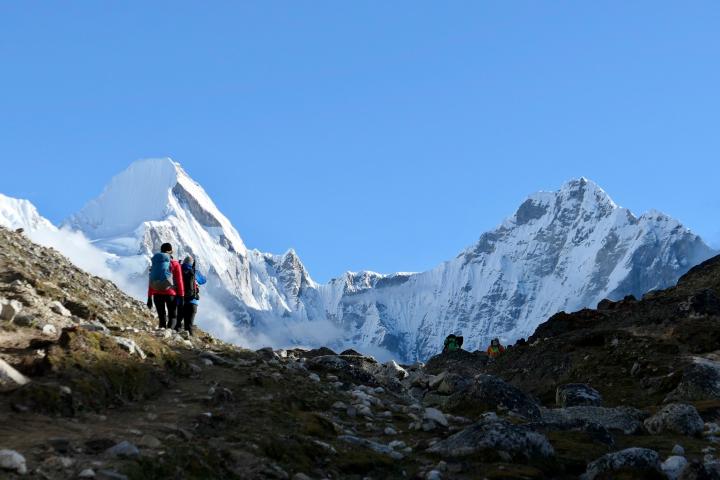
Most climbers start from Lukla, flying into the small airport surrounded by towering peaks. From there, the trail moves through beautiful forests and villages, including Phakding, Namche Bazaar, and Dingboche. Along the way, trekkers gain altitude gradually, allowing their bodies to adjust to the thinner air.
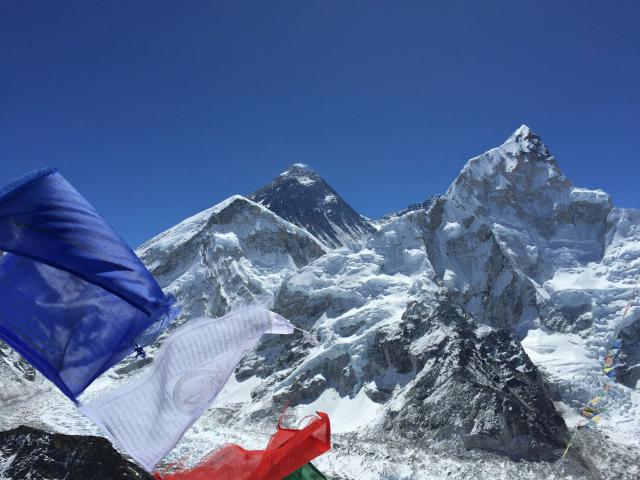
The route offers a mix of terrains—gentle slopes, rocky paths, and glacial trails. Along the way, trekkers are rewarded with views of mountains like Ama Dablam, Lhotse, and Mount Everest. Each stop offers a chance to rest, enjoy local food, and soak in the beauty of the Himalayas.
Base Camp and Summit Push
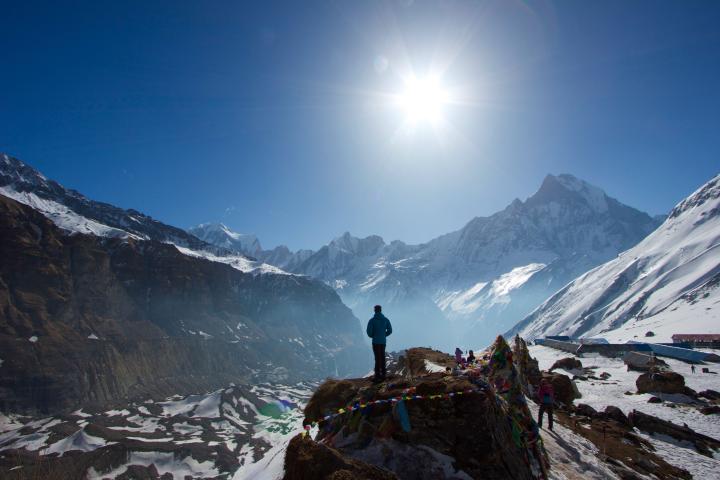
Reaching Island Peak Base Camp is a thrilling moment. Surrounded by towering glaciers and snow-covered peaks, it feels like standing in the heart of the Himalayas. Here, climbers prepare for the summit push by learning essential mountaineering skills, including rope techniques, ice climbing, and safety procedures.
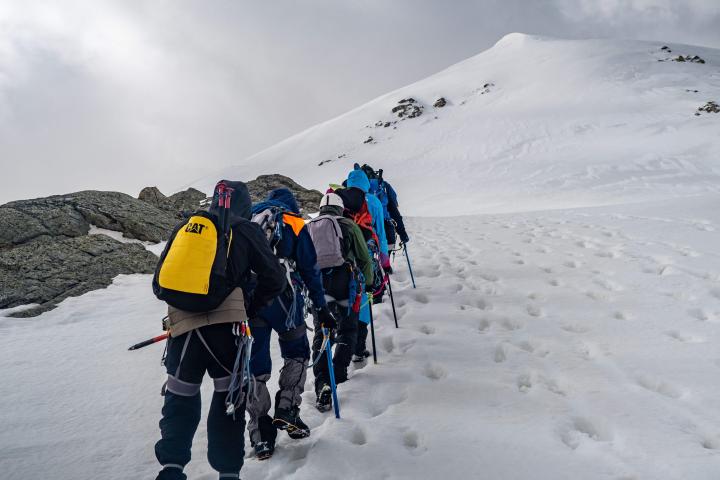
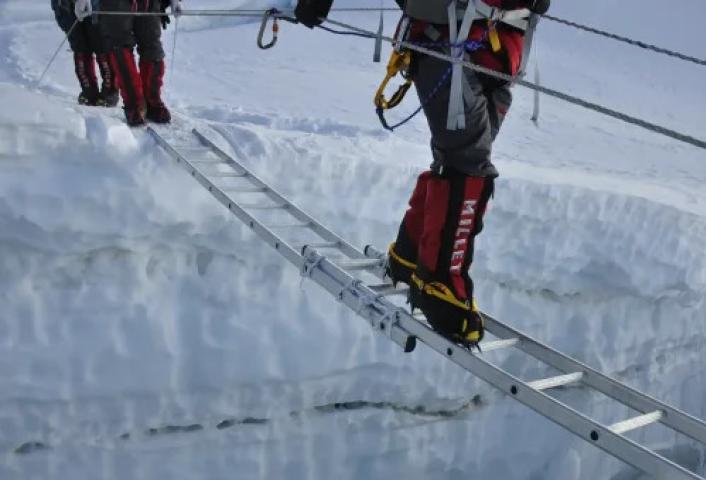
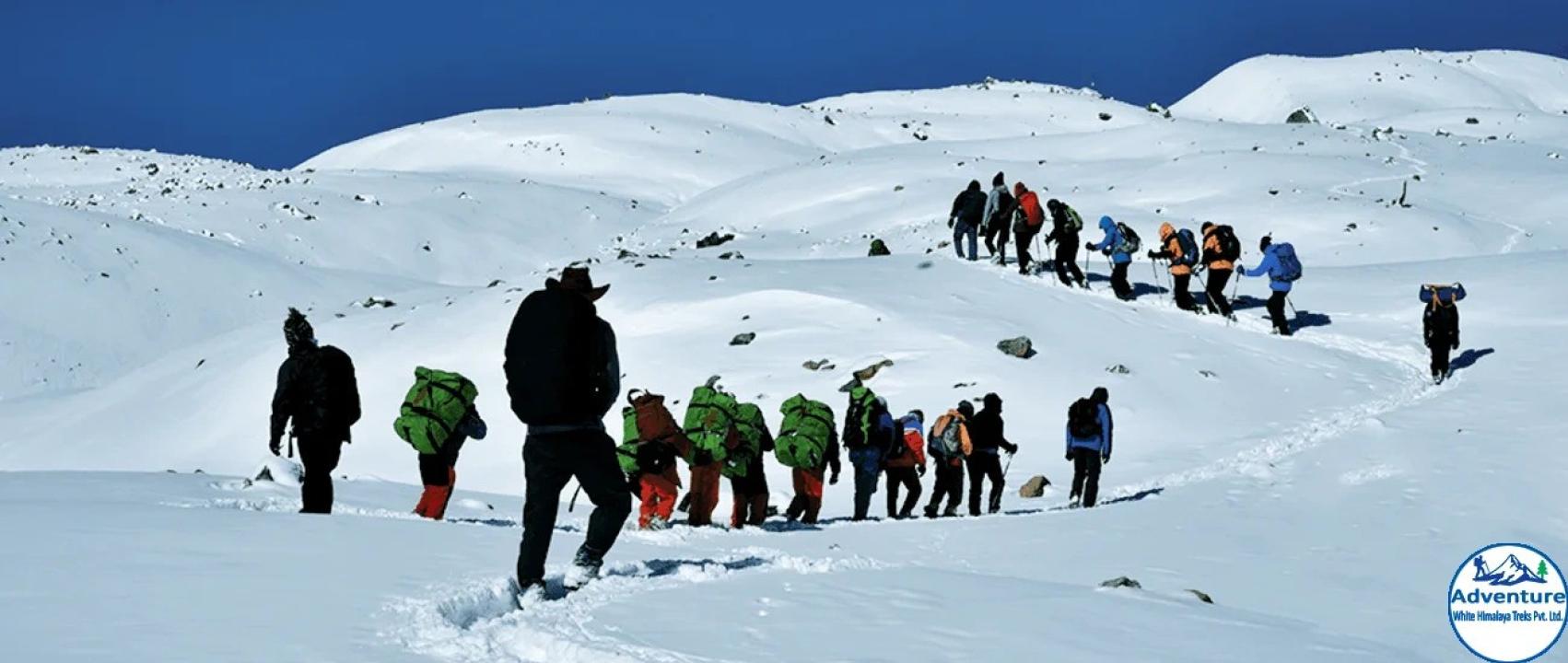
The final climb starts early in the morning, often before sunrise. Trekkers ascend steep snow slopes, cross crevasses, and navigate rocky ridges. The journey is physically demanding, but the sense of achievement at the summit is unforgettable. From the top, you can see panoramic views of the Khumbu region, including Mount Everest, Lhotse, Nuptse, and Ama Dablam. It’s a moment of triumph, a memory that lasts a lifetime.
The Highlights of Island Peak Climbing
Breathtaking Himalayan Views
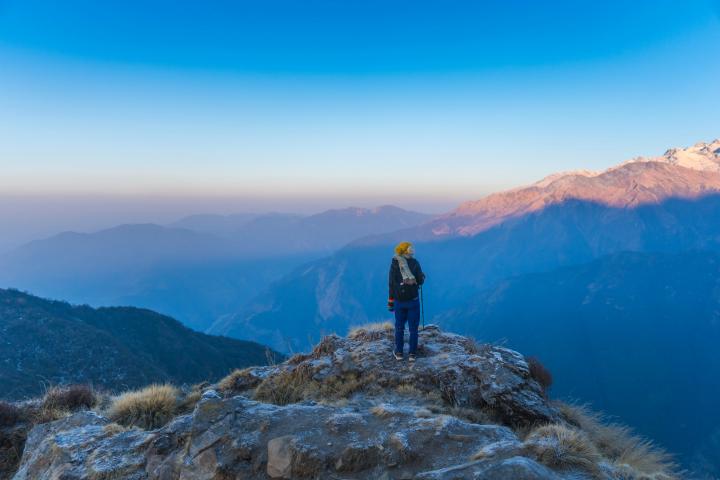
The Island Peak trek offers some of the most spectacular views in the world. From lush valleys to massive glaciers, every step presents a new scene. The sunrise from the summit is particularly stunning, painting the mountains in golden light.
Sherpa Villages and Culture
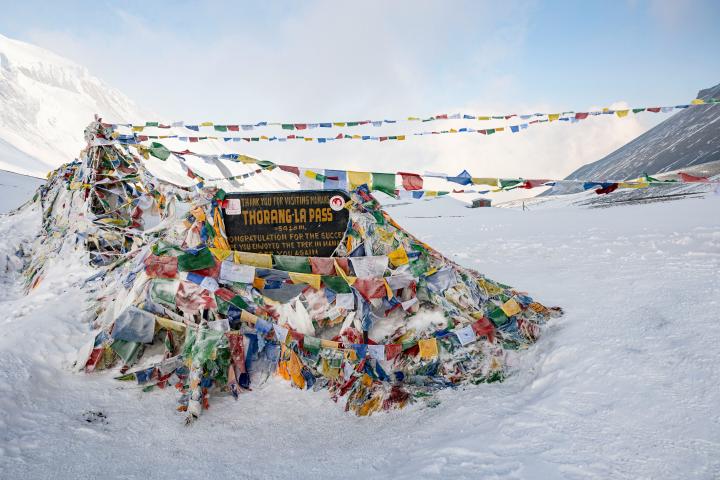
Walking through villages like Namche Bazaar and Dingboche gives trekkers a glimpse of Sherpa life. You’ll see stone houses, mani walls, prayer flags, and monks performing daily rituals. These experiences make the journey more than just a climb—they make it a cultural adventure.
Glacier and Snow Climbing
Climbing Imja Tse involves walking on glaciers and steep snow slopes. Trekkers use crampons and ice axes to move safely. This is an exciting experience for anyone who loves adventure and wants to try basic mountaineering skills.
Tips for Trekkers
Best Time to Visit: March to May and September to November, when the weather is clear and temperatures are moderate.
Fitness Level: Moderate to high. Trekkers should be comfortable walking long distances at high altitudes.
Packing Essentials: Warm clothing, trekking boots, crampons, ice axe, gloves, and a good camera.
Permits Required: Trekkers need the Sagarmatha National Park permit and an Island Peak climbing permit.
Conclusion – Why You Should Climb Island Peak
Climbing Imja Tse is more than just a physical challenge—it’s a journey into the heart of the Himalayas. Every step takes you through incredible landscapes, traditional villages, and high-altitude trails that few people ever see. Reaching the summit is a moment of triumph, a reward for your effort, determination, and courage.
This adventure teaches you patience, resilience, and the joy of pushing beyond your limits. Whether you are a nature lover, a thrill seeker, or someone who wants to experience Himalayan culture up close, Island Peak is an unforgettable adventure. Conquer this mighty mountain, and you will carry the memory of the Himalayas in your heart forever.