Introduction to Computer Vision in Retail
The retail industry is experiencing a major technological transformation driven by artificial intelligence, and one of the most impactful innovations is computer vision. Retailers are increasingly adopting computer vision technology to enhance store operations, improve customer experience, and gain deeper insights into shopper behavior. Computer vision enables machines to interpret and analyze visual data from cameras, images, and videos in real time. By using advanced algorithms, deep learning models, and image recognition systems, retailers can automate processes that previously required manual monitoring and human intervention.
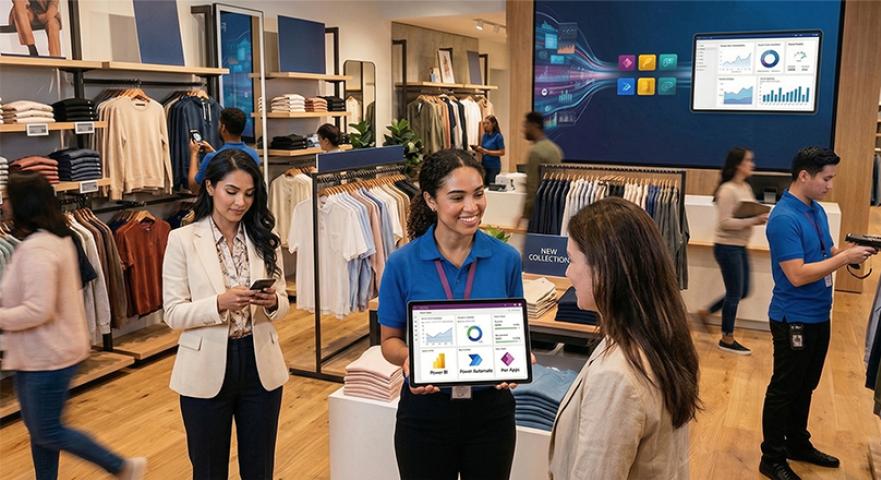
The implementation of computer vision in retail has opened new opportunities for businesses to optimize store performance and deliver personalized experiences to customers. From cashierless checkout systems to intelligent shelf monitoring, computer vision allows retailers to transform traditional stores into smart retail environments. As consumer expectations continue to evolve, retailers are under pressure to provide faster services, reduce waiting times, and ensure product availability. Computer vision technologies are becoming essential tools for achieving these goals while improving operational efficiency.
In today's competitive retail landscape, businesses that leverage computer vision technology can gain a significant advantage by using data-driven insights to make better decisions. Retailers can analyze customer movement patterns, identify product demand trends, and detect anomalies such as theft or misplaced items. As a result, computer vision is becoming a key component of modern retail strategies and digital transformation initiatives.
What is Computer Vision in Retail?
Computer vision in retail refers to the application of artificial intelligence and machine learning technologies that allow computers to interpret visual information captured through cameras and sensors within retail environments. These systems analyze images and video streams to detect objects, recognize patterns, and generate insights that retailers can use to improve operations and customer experiences.
Retail stores generate massive amounts of visual data every day through surveillance cameras, shelf cameras, and mobile devices. Traditionally, this data was used primarily for security purposes, but computer vision technology has unlocked its potential for business intelligence. By applying advanced deep learning models and image recognition techniques, retailers can automatically analyze this visual data and extract valuable information.
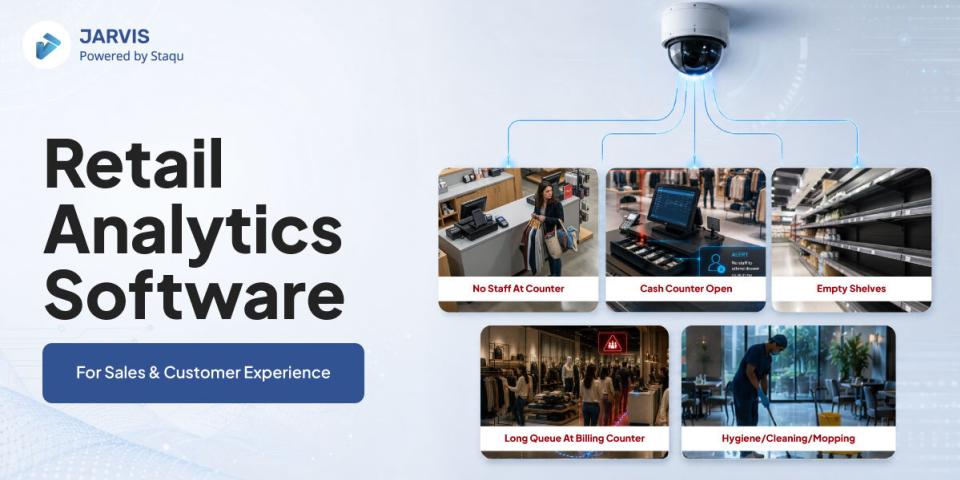
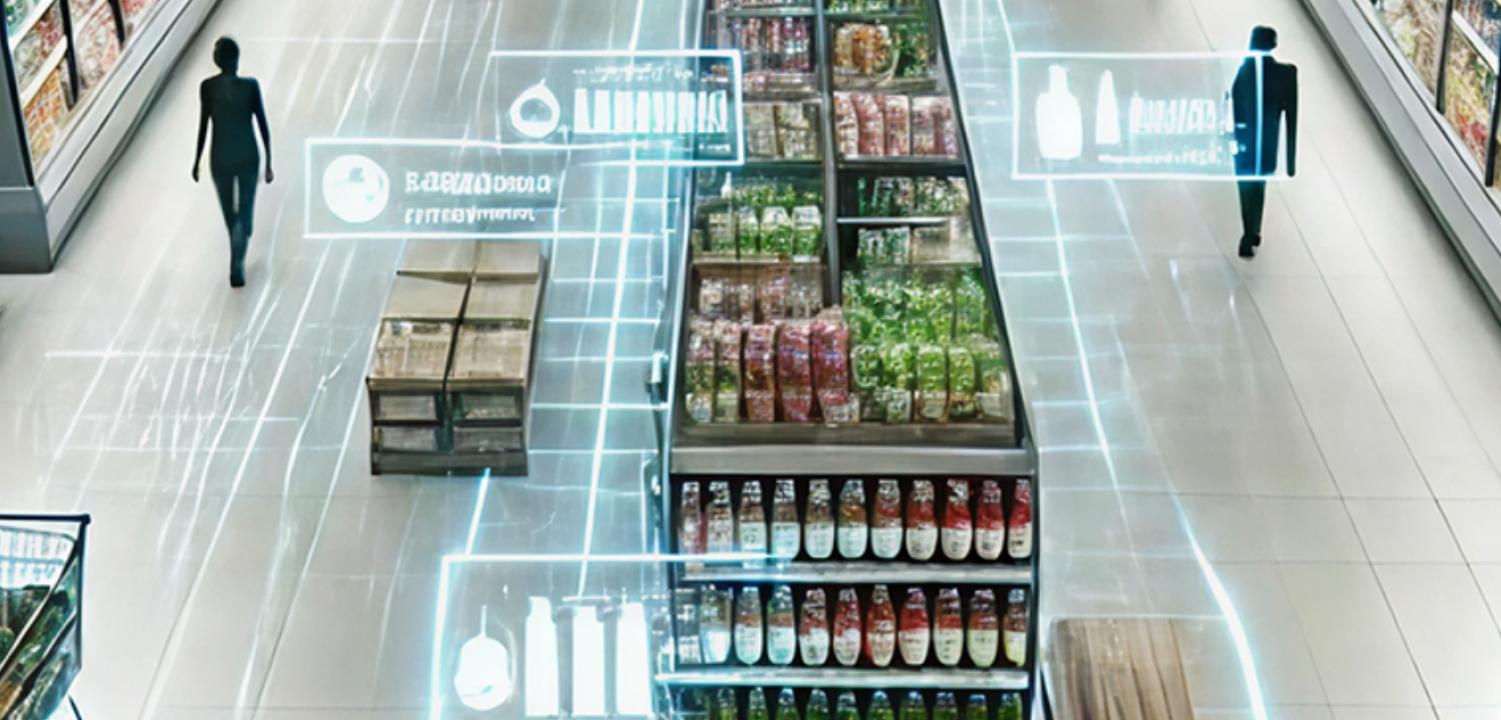
For example, computer vision systems can identify products on store shelves, track customer movement inside the store, monitor inventory levels, and even detect shopper emotions or engagement levels. These capabilities allow retailers to better understand customer behavior and optimize store layouts accordingly.
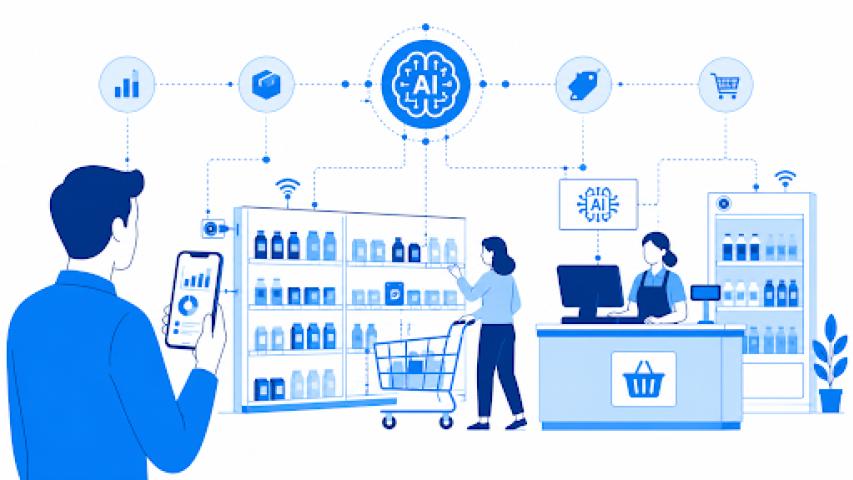
Additionally, computer vision technology integrates with other retail systems such as point-of-sale systems, inventory management platforms, and analytics tools. This integration creates a unified ecosystem where visual data contributes to smarter decision-making across various retail operations.
How Computer Vision Technology Works in Retail
Computer vision technology in retail operates through a combination of hardware components and advanced AI algorithms that process visual data in real time. Cameras installed throughout the store capture images and video streams, which are then analyzed by machine learning models trained to recognize objects, people, and behaviors.
The first step in the process involves capturing visual data through high-resolution cameras or sensors placed strategically around the store. These cameras monitor various aspects of store operations such as product shelves, checkout areas, entrances, and customer movement paths. Once the data is captured, it is transmitted to cloud-based or edge computing systems where computer vision algorithms process the information.
Deep learning models trained on large datasets analyze the visual data to identify patterns and detect specific objects or actions. For instance, the system can recognize when a customer picks up a product from the shelf or determine if a shelf is running low on stock. Advanced object detection algorithms allow the system to differentiate between products, shoppers, and store staff.
The processed data is then converted into actionable insights through analytics dashboards or integrated retail software systems. Retail managers can use these insights to monitor store performance, manage inventory, and improve the overall shopping experience. As computer vision technology continues to evolve, the accuracy and speed of these systems are improving, making them increasingly valuable for retailers.
Key Use Cases of Computer Vision in Retail
Computer vision technology offers numerous applications in the retail sector, enabling businesses to streamline operations and deliver enhanced customer experiences. One of the most widely recognized use cases is automated checkout systems. Retailers are implementing cashierless stores where computer vision tracks the items customers pick up and automatically charges them when they leave the store. This technology eliminates long checkout lines and significantly improves customer convenience.
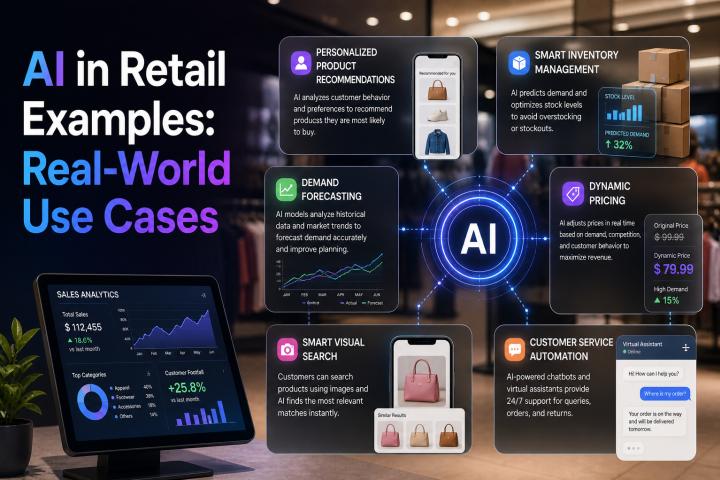
Another important application is shelf monitoring and inventory management. Computer vision systems can continuously monitor store shelves and detect when products are running low or misplaced. This enables retailers to restock shelves promptly and ensure product availability, which directly impacts sales and customer satisfaction.
Customer behavior analysis is another powerful use case of computer vision in retail. By tracking how customers move through the store, retailers can identify high-traffic areas, understand product engagement levels, and optimize store layouts. These insights help businesses design more effective merchandising strategies that encourage purchases.
Computer vision is also widely used for loss prevention and security monitoring. AI-powered systems can detect suspicious activities such as shoplifting or unusual behavior patterns in real time. Retailers can receive alerts instantly, allowing them to take proactive measures to prevent losses.
Furthermore, computer vision supports personalized marketing by analyzing customer demographics and behavior patterns. Retailers can deliver targeted promotions or recommendations based on real-time shopper insights, creating more engaging and relevant shopping experiences.
Benefits of Implementing Computer Vision in Retail
The adoption of computer vision technology in retail provides numerous benefits that extend across operational efficiency, customer satisfaction, and revenue growth. One of the primary advantages is improved inventory management. Retailers can maintain accurate stock levels and prevent out-of-stock situations by continuously monitoring shelves with computer vision systems.
Another key benefit is enhanced customer experience. Computer vision enables faster checkout processes, personalized shopping interactions, and improved store navigation. Customers can enjoy a seamless shopping journey without long waiting times or difficulty finding products.
Operational efficiency is also significantly improved through automation. Tasks such as shelf monitoring, product counting, and store analytics can be performed automatically by AI-powered systems. This reduces the workload on store staff and allows employees to focus on delivering better customer service.
Computer vision technology also provides retailers with valuable data insights that support better decision-making. Retail managers can analyze customer behavior patterns, track product performance, and identify opportunities to improve store layouts or promotional strategies.
Additionally, computer vision plays a crucial role in reducing retail losses caused by theft, fraud, or operational errors. Real-time monitoring systems can detect suspicious activities and alert store personnel immediately. This proactive approach helps retailers protect their assets while maintaining a secure shopping environment.
Real-World Examples of Computer Vision in Retail
Several major retailers around the world have already implemented computer vision technologies to transform their store operations. One of the most prominent examples is Amazon Go, which introduced cashierless retail stores powered by computer vision and sensor fusion technologies. Customers simply walk into the store, pick up the items they want, and leave without going through a traditional checkout process.
Walmart is another retailer that has adopted computer vision technology to improve inventory management and shelf monitoring. By using AI-powered cameras installed throughout stores, Walmart can automatically detect out-of-stock items and notify employees to restock shelves promptly.
Fashion retailers are also leveraging computer vision for visual search and product recognition. Customers can take photos of clothing items and use AI-powered applications to find similar products available in the store or online. This technology bridges the gap between physical and digital shopping experiences.
Supermarkets and grocery chains are implementing computer vision systems to optimize store layouts and analyze customer traffic patterns. By understanding how customers move through different aisles, retailers can place high-demand products strategically to maximize sales.
These real-world implementations demonstrate how computer vision is revolutionizing retail operations and creating smarter shopping environments.
Challenges in Implementing Computer Vision in Retail
Despite its many benefits, implementing computer vision in retail also presents certain challenges that businesses must address. One of the primary challenges is the high initial investment required for deploying camera systems, AI infrastructure, and software integration. Smaller retailers may find it difficult to allocate sufficient resources for such implementations.
Another challenge involves data privacy and security concerns. Since computer vision systems rely on visual data captured from customers inside stores, retailers must ensure compliance with data protection regulations and maintain transparent privacy policies. Customers need to feel confident that their personal information is being handled responsibly.
Technical complexity is another obstacle that retailers may face. Developing and maintaining accurate computer vision models requires expertise in artificial intelligence, machine learning, and data engineering. Retailers may need to collaborate with specialized technology partners to implement these solutions effectively.
Environmental factors such as lighting conditions, camera angles, and store layouts can also impact the accuracy of computer vision systems. Retailers must carefully design their infrastructure to ensure optimal performance.
Addressing these challenges requires strategic planning, investment in technology, and collaboration with experienced AI development partners.
Future Trends of Computer Vision in Retail
The future of computer vision in retail is expected to be shaped by continuous advancements in artificial intelligence, edge computing, and automation technologies. As AI models become more sophisticated, computer vision systems will deliver even more accurate insights and enable advanced retail applications.
One emerging trend is the integration of computer vision with augmented reality and virtual shopping experiences. Customers may soon be able to visualize products in real time through AR-enabled store displays or mobile applications.
Edge computing is another technology that will enhance computer vision capabilities in retail. By processing visual data directly on local devices instead of relying entirely on cloud servers, retailers can achieve faster response times and improved system performance.
Another important trend is hyper-personalized retail experiences powered by AI. Computer vision systems will be able to analyze customer preferences and shopping behavior in real time, allowing retailers to deliver personalized product recommendations and targeted promotions instantly.
Additionally, the growth of smart stores and autonomous retail environments will continue to drive the adoption of computer vision technologies. Retailers will increasingly rely on AI-powered automation to streamline operations and create frictionless shopping experiences.
Conclusion
Computer vision in retail is rapidly transforming the way businesses operate and interact with customers. By enabling machines to interpret visual data, this technology allows retailers to automate processes, gain valuable insights, and create smarter store environments. From automated checkout systems to real-time inventory monitoring, computer vision applications are helping retailers improve efficiency and deliver better customer experiences.
As the retail industry continues to evolve, the adoption of AI-powered technologies like computer vision will become increasingly important for staying competitive. Retailers that embrace these innovations can unlock new opportunities for growth, improve operational performance, and build stronger relationships with customers.
While challenges such as implementation costs and data privacy concerns remain, the long-term benefits of computer vision technology make it a valuable investment for modern retail businesses. With ongoing advancements in artificial intelligence and machine learning, computer vision will play a crucial role in shaping the future of retail and driving the next wave of digital transformation in the industry.