Introduction
The way businesses communicate with customers has evolved rapidly in the last few years. Users today expect quick, accurate, and personalized responses without delays or friction. Traditional customer support models, which rely heavily on human agents, often struggle to meet these expectations at scale. This is where an ai chatbot solution becomes a game-changer.
An AI chatbot solution is not just a tool for answering queries; it represents a shift toward smarter, more efficient communication systems. By leveraging artificial intelligence, businesses can create conversational experiences that feel natural, responsive, and context-aware. Whether it’s assisting customers, automating workflows, or generating leads, AI chatbots are redefining how organizations operate in a digital-first world.
Understanding the Core of an AI Chatbot Solution
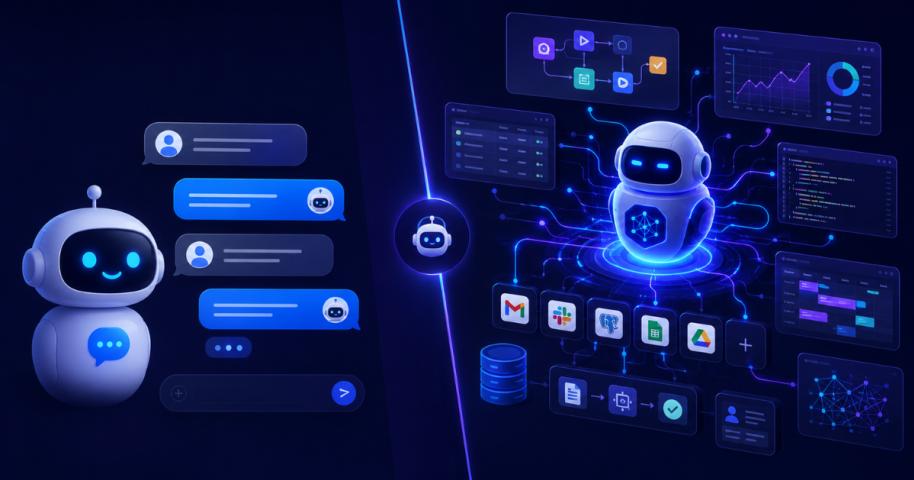
At its core, an ai chatbot solution is designed to simulate human-like conversations using advanced technologies such as natural language processing and machine learning. Unlike traditional chatbots that rely on fixed scripts, AI-powered chatbots understand intent, interpret context, and generate responses dynamically.
This ability to “understand” rather than simply “respond” is what sets modern chatbot solutions apart. When a user asks a question, the system doesn’t just match keywords it analyzes the meaning behind the query. Over time, it learns from interactions, improving its responses and becoming more accurate. This continuous learning loop allows businesses to deliver increasingly refined and personalized user experiences.
Another defining characteristic of AI chatbot solutions is their ability to integrate seamlessly with business ecosystems. They can connect with CRMs, databases, payment systems, and internal tools, enabling them to perform actions rather than just provide information. This transforms them from passive assistants into active participants in business operations.
Why Businesses Are Investing in AI Chatbot Solutions
The growing adoption of ai chatbot solution strategies is driven by a combination of customer expectations and operational needs. Businesses are under constant pressure to deliver faster service while managing costs effectively. AI chatbots help bridge this gap by offering instant responses without increasing manpower.
One of the most compelling reasons companies are adopting these solutions is the ability to provide round-the-clock support. Customers no longer have to wait for business hours to get assistance. This level of availability significantly improves user satisfaction and builds trust.
At the same time, AI chatbots help organizations streamline their internal processes. Repetitive tasks such as answering frequently asked questions, scheduling appointments, or tracking orders can be fully automated. This not only reduces workload but also allows human teams to focus on more complex and strategic responsibilities.
Another important factor is scalability. As businesses grow, the volume of customer interactions increases. Hiring and training large support teams can be expensive and time-consuming. An AI chatbot solution, on the other hand, can handle thousands of conversations simultaneously without compromising quality.
Real-World Applications Across Industries
The versatility of an ai chatbot solution makes it applicable across a wide range of industries. In eCommerce, chatbots are used to guide customers through their buying journey, recommend products, and provide real-time order updates. This creates a smoother shopping experience and often leads to higher conversion rates.
In healthcare, AI chatbots assist patients by scheduling appointments, providing basic medical information, and sending reminders. While they do not replace medical professionals, they play a crucial role in improving accessibility and efficiency within the system.
The banking and financial sector also benefits significantly from chatbot solutions. Customers can check balances, review transactions, and get assistance with financial queries instantly. This reduces dependency on call centers and enhances overall service delivery.
Even in enterprise environments, AI chatbots are being used internally to support employees. From HR queries to IT support, these systems help streamline operations and improve productivity across departments.
The Process Behind Building an Effective AI Chatbot Solution
Developing a successful ai chatbot solution requires more than just implementing technology. It begins with a clear understanding of business goals and user needs. Without a well-defined purpose, even the most advanced chatbot may fail to deliver value.
The next step involves designing the conversational experience. This includes mapping out user journeys, defining how the chatbot will respond in different scenarios, and ensuring that interactions feel intuitive. A well-designed conversation flow is essential for maintaining user engagement.
Training the chatbot is another critical phase. By using real-world data, developers can teach the system how to interpret various queries and respond accurately. The quality of this training directly impacts the chatbot’s performance.
Integration is equally important. A chatbot that cannot access relevant data or perform actions will have limited usefulness. By connecting it with existing systems, businesses can unlock its full potential.
Finally, continuous optimization ensures long-term success. AI chatbots are not static solutions—they evolve over time. Regular updates, performance analysis, and user feedback help refine their capabilities and improve outcomes.
Challenges and Considerations
While the benefits of an ai chatbot solution are significant, implementing one is not without challenges. One of the primary concerns is ensuring that the chatbot can handle complex or ambiguous queries effectively. Users expect accurate and meaningful responses, and any gaps in understanding can lead to frustration.
Data privacy and security are also critical considerations, especially for industries that handle sensitive information. Businesses must ensure that their chatbot solutions comply with relevant regulations and maintain high standards of data protection.
Another challenge lies in striking the right balance between automation and human interaction. While chatbots can handle a large portion of queries, there will always be situations that require human intervention. Designing a seamless handoff process is essential for maintaining a positive user experience.
The Future of AI Chatbot Solutions
The future of the ai chatbot solution landscape is incredibly promising. With advancements in generative AI and large language models, chatbots are becoming more conversational, intelligent, and capable of handling complex interactions.
We are moving toward a world where chatbots are not just reactive but proactive. They will anticipate user needs, offer suggestions, and even make decisions based on real-time data. This shift will further enhance their role as strategic business tools.
Additionally, the integration of voice, text, and visual interfaces will lead to more immersive and seamless user experiences. As technology continues to evolve, AI chatbot solutions will become an integral part of every digital ecosystem.
Conclusion
An ai chatbot solution is no longer a futuristic concept it is a practical and essential tool for modern businesses. By enabling intelligent automation, improving customer engagement, and driving operational efficiency, AI chatbots are transforming the way organizations communicate and operate.
For businesses looking to stay competitive, investing in the right AI chatbot solution is not just an option—it is a necessity. The key lies in understanding your goals, choosing the right approach, and continuously evolving with the technology.