Why Pressure Care Mattresses Are Essential for Bedridden Patients in Long-Term Care
Introduction
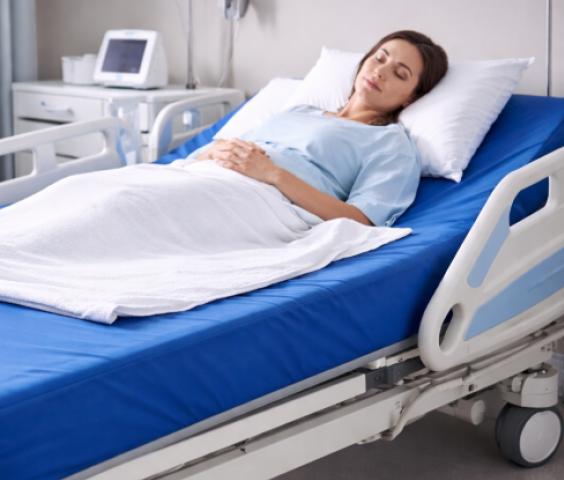
For patients who spend the majority of their time in bed, the mattress beneath them is not simply a surface for rest — it is an active component of their clinical care. In long-term care settings across Ireland, bedridden patients face a unique and serious set of health risks that are directly influenced by the quality and type of mattress they are using every single day.
Pressure care mattresses are specifically designed to address these risks. Yet despite their clinical importance, they are still underused in many care facilities — often replaced by standard mattresses that offer no meaningful pressure management at all. Understanding why pressure care mattresses are essential, and what happens when they are absent, is critical for any care provider responsible for the wellbeing of long-term, bedridden patients.
What Makes Bedridden Patients Uniquely Vulnerable
When a person is mobile, the body naturally shifts position throughout the day and night, redistributing pressure across different areas of skin and tissue. This constant movement, most of which happens unconsciously, prevents any single point of the body from bearing sustained pressure for too long.
Bedridden patients cannot do this. Whether due to advanced age, neurological conditions, post-surgical recovery, or severe physical disability, they remain in the same or very similar positions for extended periods. The result is sustained, concentrated pressure on specific areas of the body — most commonly the heels, sacrum, hips, and shoulder blades.
When this pressure is not relieved, it restricts blood flow to the affected tissue. Without adequate blood supply, the skin and underlying tissue begin to break down, leading to pressure ulcers — one of the most serious and preventable complications in long-term care.
What Pressure Care Mattresses Do
A pressure care mattress is engineered specifically to address the vulnerability of immobile patients. Rather than simply providing a static surface, it actively or passively works to redistribute the patient's body weight, reduce the concentration of pressure on any one point, and maintain blood flow to vulnerable tissue areas.
Alternating pressure mattresses achieve this through a motorised pump system that continuously inflates and deflates air cells across the surface of the mattress. This constant, gentle movement mimics the natural pressure redistribution that a mobile person achieves through unconscious shifting — providing the bedridden patient with protection they cannot provide for themselves.
Foam-based pressure care mattresses achieve a similar outcome through the properties of the foam itself — using high-specification materials that contour to the body and spread weight more evenly than standard foam would allow.
Both approaches represent a significant clinical upgrade over standard mattresses for patients who are at meaningful risk of pressure injuries.
The Real Cost of Pressure Ulcers in Long-Term Care
Pressure ulcers are not a minor complication. They are painful, slow to heal, and in vulnerable patients, they can rapidly become life-threatening. A Grade 3 or Grade 4 pressure ulcer — where damage extends deep into the tissue and potentially to the bone — can require surgical intervention, prolonged hospitalisation, and intensive wound care over months.
Beyond the human cost, pressure ulcers place enormous strain on care resources. They require additional nursing time, specialist wound care products, and in serious cases, hospital transfers that disrupt continuity of care. They are also a leading indicator of care quality during HIQA inspections — a facility with a high incidence of pressure ulcers will face serious scrutiny regarding its standards of patient care and equipment provision.
The financial and reputational consequences of failing to prevent pressure ulcers through appropriate mattress provision are significant. The cost of a quality pressure care mattress is, by comparison, minimal.
Who Needs a Pressure Care Mattress
While all bedridden patients benefit from quality mattress support, pressure care mattresses are particularly essential for certain groups. Patients who are assessed as medium to high risk on a recognised pressure injury risk tool such as the Waterlow or Braden Scale should be prioritised. Elderly patients with thin or fragile skin are at elevated risk even with relatively short periods of immobility. Patients with diabetes, vascular conditions, or poor circulation face compromised tissue repair capacity, meaning pressure injuries develop more quickly and heal more slowly. Patients recovering from surgery or serious illness may be temporarily immobile but still require the same level of protection during their recovery period.
In each of these cases, a standard foam mattress simply does not provide an adequate standard of care. The clinical case for pressure care mattresses is clear and well established.
Pressure Care Mattresses and Patient Dignity
It is important not to reduce the case for pressure care mattresses purely to clinical metrics. For bedridden patients in long-term care, comfort and dignity are inseparable from health. A patient who is lying on a mattress that is causing them pain or discomfort — even if a pressure ulcer has not yet formed — is experiencing a diminished quality of life that a better mattress could meaningfully improve.
Pressure care mattresses, by actively managing the patient's comfort throughout the day and night, contribute to better sleep, reduced pain, and a greater sense of physical wellbeing. For patients who have limited control over many aspects of their daily life, this matters enormously.
Care homes that invest in pressure care mattresses are making a statement about the value they place on every resident's comfort and dignity — not just their clinical safety.
Choosing the Right Pressure Care Mattress
Not all pressure care mattresses are equal, and selecting the right one requires an assessment of the individual patient's needs. Key considerations include the patient's weight and whether a bariatric variant is required, their current pressure injury risk score, any existing skin damage or active pressure ulcers that may require a higher specification product, and the compatibility of the mattress with the patient's existing bed frame.
For patients with active pressure ulcers, a dynamic air mattress with adjustable pressure settings will typically be the appropriate choice. For patients at elevated risk but without existing injuries, a high-specification reactive foam mattress or a lower-pressure air system may be sufficient. The decision should always be made on clinical grounds, with input from nursing staff and ideally a tissue viability specialist where available.
Conclusion
Hospital mattresses are not a premium add-on for long-term care facilities — they are a clinical essential for any bedridden patient at meaningful risk of pressure injury. The consequences of failing to provide appropriate pressure care support are serious, well documented, and entirely preventable.
For Irish care homes committed to delivering the highest standard of long-term care, investing in the right pressure care mattresses for the right patients is one of the most impactful decisions a facility can make. It protects patients from harm, supports care staff in their work, and demonstrates a genuine commitment to resident wellbeing that goes beyond the minimum standard.
Medguard Healthcare supplies a comprehensive range of pressure care mattresses to long-term care facilities across Ireland — from reactive foam systems to dynamic alternating pressure solutions — helping care providers match the right product to every patient's individual clinical needs with confidence and consistency.
Original Source: https://www.jumparticles.com/article/14181/