How a CCIE Security Bootcamp Speeds Up Exam Preparation
The demand for qualified cybersecurity and network security experts is increasing steadily across industries around the world. Companies are actively searching for professionals who can manage enterprise security infrastructures, solve complex technical problems, and implement strong security solutions. For networking professionals looking to validate their advanced-level expertise, the Cisco CCIE Security Lab certification is widely recognized as one of the most respected credentials in the networking industry.
To make the preparation process more effective, many aspirants join CCIE Security Bootcamp Training USA programs that provide focused learning, extensive hands-on practice, and exposure to practical enterprise security environments. A well-structured bootcamp helps candidates concentrate on key exam objectives while building the confidence needed for both written and lab examinations.
Understanding the Importance of CCIE Security Certification
The CCIE Security certification is designed for experienced networking professionals who want to demonstrate advanced knowledge in enterprise security technologies, threat management, automation, and network protection strategies. Unlike entry-level certifications, this credential places a strong emphasis on practical troubleshooting and implementation skills in real-world lab environments.
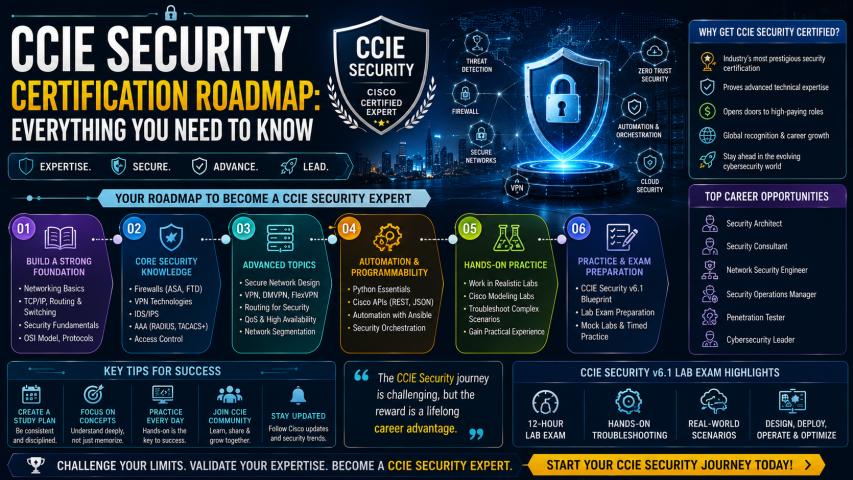
Candidates preparing for this certification are expected to gain expertise in areas including:
Enterprise security solutions
VPN technologies
Identity and access management
Firewall configuration
Secure connectivity
Network automation
Endpoint security
Security monitoring and troubleshooting
Because the certification syllabus is extensive and technically advanced, preparing without proper direction can become challenging. This is one of the main reasons professionals choose structured bootcamp training.
What Is a CCIE Security Bootcamp?
A CCIE Security Bootcamp is an intensive training program developed specifically to help candidates prepare efficiently for certification exams. These programs combine instructor-led sessions, practical lab exercises, troubleshooting practice, mock exams, and strategic preparation methods.
Most bootcamp programs provide:
Real-time lab simulations
Guided technical practice
Security-focused training modules
Advanced troubleshooting sessions
Time management strategies
Access to physical and virtual lab environments
The main purpose of these programs is to improve exam readiness while helping candidates prepare more effectively.
How a CCIE Security Bootcamp Improves Learning Efficiency
Organized Learning Structure
One of the biggest challenges during self-study is determining which topics should receive the most attention. The CCIE Security syllabus includes several advanced technologies, making it difficult for learners to maintain a structured preparation path.
A bootcamp simplifies this process by dividing the curriculum into organized modules. Every topic is explained systematically so candidates understand both theoretical concepts and practical implementation methods.
This structured approach helps learners:
Focus on important exam topics
Avoid irrelevant study material
Improve knowledge retention
Follow a clear preparation roadmap
Easier Understanding of Complex Technologies
Many security technologies involve advanced configurations and troubleshooting scenarios. Experienced instructors simplify these concepts using practical demonstrations and real-world deployment examples.
Some commonly covered areas include:
VPN Technologies
Candidates learn how to configure and troubleshoot:
Site-to-site VPNs
Remote access VPNs
IPsec implementations
SSL VPN configurations
Cisco ISE Implementation
Bootcamp training generally covers:
Authentication methods
Authorization policies
Network access control
Identity-based security solutions
Firewall Technologies
Students gain practical experience with:
Cisco Firepower platforms
Threat defense configurations
Access control management
Security policy implementation
This hands-on training approach helps candidates understand technical concepts more quickly compared to independent study methods.
Importance of Hands-On Lab Practice
Exposure to Realistic Lab Environments
The CCIE Security exam focuses heavily on practical implementation and troubleshooting. Candidates must solve networking and security problems within strict time limits.
Bootcamps provide enterprise-grade lab environments that simulate real business networks. This enables learners to:
Practice configurations repeatedly
Improve troubleshooting speed
Understand device behavior
Gain confidence before the actual exam
Developing Time Management Skills
Poor time management is one of the most common reasons candidates struggle during the lab exam. Bootcamp programs train students to complete tasks quickly without compromising accuracy.
Instructors frequently conduct:
Timed lab sessions
Troubleshooting challenges
Scenario-based exercises
Rapid configuration practice
These activities help candidates become comfortable with the pressure of the real examination environment.
Expert Guidance Helps Accelerate Preparation
Learning from Experienced Trainers
Experienced instructors play a significant role in helping candidates prepare faster. Their technical expertise enables students to focus on critical concepts and avoid common preparation mistakes.
Trainers often provide guidance related to:
Important exam topics
Effective lab strategies
Troubleshooting methods
Configuration optimization
Exam-day preparation tips
This expert support can significantly reduce the overall learning curve.
Immediate Resolution of Technical Doubts
During self-study, learners may spend hours trying to resolve technical issues on their own. In a bootcamp environment, candidates can quickly clarify doubts directly with instructors.
This immediate assistance improves understanding and helps students progress smoothly through advanced topics.
Access to Updated Exam-Oriented Content
Coverage of Current Cisco Technologies
Cisco regularly updates certification blueprints to align with modern enterprise security requirements and emerging technologies. Reputable bootcamp providers continuously update their training content to match these industry changes.
Modern CCIE Security Bootcamp programs often include:
SD-WAN security
Zero Trust frameworks
Network automation
API integrations
Cloud security technologies
Threat intelligence solutions
This helps candidates stay aligned with current industry standards and exam expectations.
Availability of Comprehensive Study Materials
Bootcamp programs usually provide:
Detailed workbooks
Lab manuals
Practice tests
Configuration samples
Recorded sessions
Mock lab exercises
These resources help candidates stay organized and improve revision efficiency throughout preparation.
Why Mock Labs Are Important for Success
Simulating the Actual Exam Environment
Mock labs are designed to replicate the structure and complexity of the real CCIE Security Lab exam. Through repeated practice, candidates become familiar with:
Multi-technology integration
Advanced troubleshooting tasks
Time-sensitive execution
Configuration dependencies
Regular mock practice helps improve confidence and reduce exam-related stress.
Identifying Weak Areas
Practice assessments allow candidates to evaluate areas where improvement is needed.
Students can focus more preparation time on areas such as:
VPN troubleshooting
Automation scripting
Identity management
Firewall security policies
This targeted approach helps improve overall exam performance.
Networking Opportunities During Bootcamp Training
Collaborative Learning Environment
Bootcamp programs often include professionals from different networking and cybersecurity backgrounds. This creates an environment that encourages technical discussions and collaborative learning.
Candidates benefit through:
Peer learning opportunities
Shared troubleshooting methods
Group discussions
Industry-level insights
These interactions can also help professionals build valuable industry connections.
Understanding Real Enterprise Security Challenges
Many instructors share practical experiences from real-world enterprise deployments during training sessions. This helps learners understand how security technologies function in actual production environments instead of only theoretical scenarios.
Managing Work and Certification Preparation
Structured Study Planning
Most CCIE Security aspirants are working professionals balancing certification preparation with job responsibilities. Bootcamp programs simplify the process by providing a clear and organized study plan.
Instead of spending months deciding:
What topics to study
Which labs to practice
Which resources to follow
Candidates can rely on a structured learning framework designed for efficient preparation.
Reducing Overall Preparation Time
Without proper guidance, CCIE Security preparation can become a long and difficult process. A focused bootcamp shortens the preparation cycle by emphasizing important technologies and eliminating unnecessary distractions.
This enables candidates to:
Learn more efficiently
Practice regularly
Develop skills faster
Prepare with confidence
Career Benefits After CCIE Security Training
Greater Industry Recognition
The CCIE Security certification is globally respected as an expert-level networking credential. Professionals who complete advanced bootcamp training often gain stronger technical confidence and enhanced troubleshooting capabilities.
Expanded Career Opportunities
Organizations across various industries seek professionals capable of securing enterprise infrastructures and managing advanced cybersecurity operations.
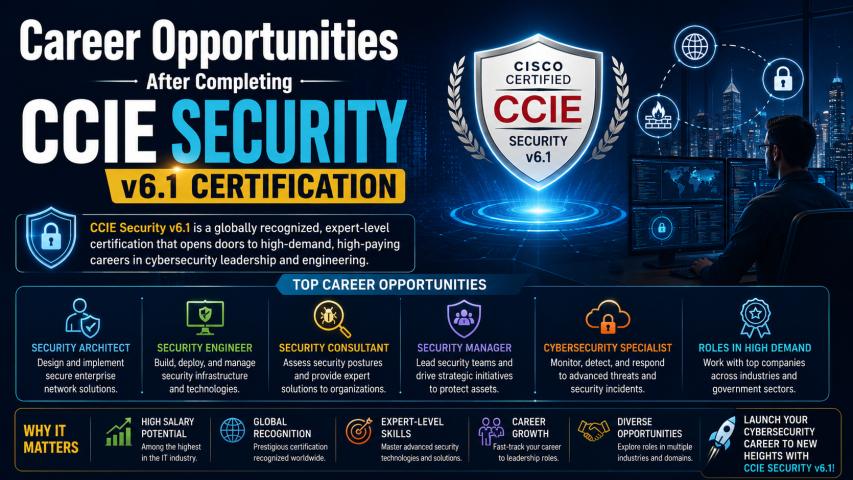
Common job roles include:
Security Engineer
Network Security Architect
Cybersecurity Consultant
Security Operations Analyst
Infrastructure Security Specialist
Improved Salary Potential
Advanced security certifications often lead to higher salary opportunities because certified professionals possess specialized technical expertise that organizations highly value.
Employers prefer professionals who can:
Design secure enterprise networks
Prevent cybersecurity threats
Troubleshoot complex security problems
Implement scalable security solutions
Choosing the Right CCIE Security Bootcamp
Important Factors to Consider
Before selecting a bootcamp program, candidates should evaluate several important factors.
Instructor Experience
Choose training programs led by certified professionals with practical enterprise-level experience.
Lab Infrastructure
Ensure the program offers updated and modern lab environments for practical training.
Updated Curriculum
The course content should align with the latest Cisco certification blueprint.
Availability of Mock Labs
Frequent mock lab practice is essential for effective preparation.
Student Support
Post-training mentorship and technical support can greatly improve success rates.
Conclusion
Preparing for the CCIE Security certification requires technical dedication, practical experience, and a well-planned study strategy. Since the certification validates advanced networking and cybersecurity expertise, candidates must prepare thoroughly for both theoretical and practical examinations.
A structured CCIE Security Bootcamp can greatly accelerate the preparation process by providing expert guidance, hands-on lab training, updated study resources, and exam-focused methodologies. From strengthening troubleshooting skills to improving time management, bootcamp programs offer a more efficient path toward certification success.
For professionals aiming to establish a successful career in cybersecurity and enterprise security infrastructure, investing in professional bootcamp training can provide the confidence and practical expertise needed to succeed in complex networking environments.