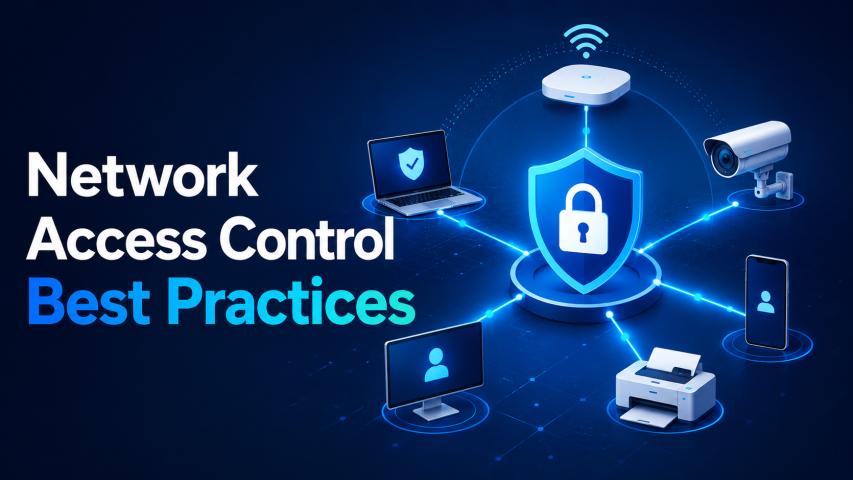

The networking industry continues to evolve with the rapid adoption of cloud computing, automation, artificial intelligence, and software-defined networking. Organizations across industries are actively seeking professionals who can design, deploy, secure, and optimize enterprise networks.
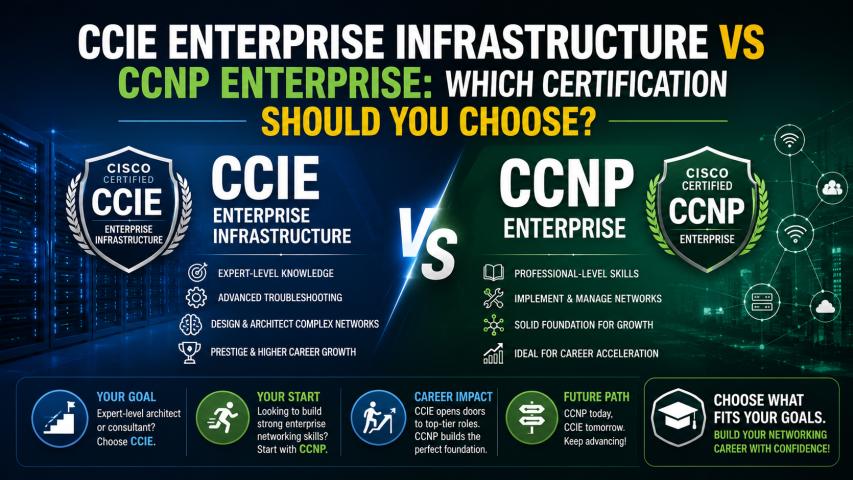
CCIE Enterprise Infrastructure is one of the most prestigious certifications offered by Cisco, validating advanced networking skills and real-world expertise. Professionals who achieve this certification often gain access to exciting career opportunities, higher earning potential, and leadership roles in enterprise networking.
Whether you are an experienced network engineer or an IT professional aiming to advance your career, understanding the opportunities available after certification can help you plan your professional growth effectively.
Why CCIE Enterprise Infrastructure Certification Matters
The CCIE Enterprise Infrastructure certification demonstrates that you possess advanced technical knowledge in enterprise networking technologies. Unlike entry-level certifications, it validates practical skills in designing, implementing, troubleshooting, and optimizing complex enterprise infrastructures.
Organizations value certified professionals because they can:
Manage enterprise-scale networks
Improve network performance
Implement automation solutions
Secure enterprise environments
Reduce downtime
Support digital transformation initiatives
As enterprises increasingly depend on reliable connectivity, the demand for CCIE-certified professionals continues to grow globally.
The Growing Demand for Enterprise Networking Professionals
Modern businesses rely on secure, scalable, and high-performance networks to support remote work, cloud applications, IoT devices, and digital services.
Several trends are driving demand for certified networking experts:
Cloud Adoption
Organizations are integrating on-premises infrastructure with public and private cloud platforms, requiring professionals who understand hybrid networking.
Industries Hiring CCIE Enterprise Infrastructure Professionals
The certification opens opportunities across numerous industries.
Information Technology
IT service providers require networking professionals to support enterprise customers worldwide.
Banking and Financial Services
Financial institutions depend on highly secure, reliable, and low-latency enterprise networks.
Healthcare
Hospitals and healthcare organizations require uninterrupted network connectivity for patient care systems.
Telecommunications
Telecommunication companies deploy and manage large-scale networking infrastructure.
Manufacturing
Smart factories rely on enterprise networks to support automation and Industrial IoT.
Government
Government agencies require secure networking professionals to manage mission-critical infrastructure.
Education
Universities and educational institutions continue expanding their campus networking environments.
Essential Skills That Complement CCIE Enterprise Infrastructure Certification
Technical certification becomes even more valuable when combined with complementary skills.
Network Automation
Knowledge of:
Python
REST APIs
Ansible
Cisco DNA Center
helps professionals automate enterprise operations.
Cloud Networking
Understanding platforms such as:
AWS
Microsoft Azure
Google Cloud
improves career flexibility.
Security
Skills in:
Network segmentation
Zero Trust
VPN technologies
Identity management
enhance enterprise networking capabilities.
Soft Skills
Employers also value:
Communication
Leadership
Problem-solving
Project management
Documentation
These skills support career progression into senior and management positions.
Salary Potential After CCIE Enterprise Infrastructure Certification
Although salaries vary based on experience, location, industry, and employer, CCIE-certified professionals generally command competitive compensation.
Common factors influencing salary include:
Years of networking experience
Technical specialization
Cloud expertise
Automation skills
Leadership responsibilities
Geographic location
Industry demand
Professionals who continuously upgrade their skills often enjoy stronger career growth and long-term earning potential.
How to Maximize Career Growth
Earning the certification is only the beginning of your professional journey.
Continue Learning
Stay updated with:
Cisco technologies
Cloud platforms
AI-driven networking
Network automation
Security best practices
Build Real-World Experience
Hands-on experience strengthens technical confidence and improves job readiness.
Develop a Professional Portfolio
Document:
Lab projects
Automation scripts
Network designs
Technical documentation
Infrastructure deployments
A strong portfolio demonstrates practical expertise.
Participate in Networking Communities
Join professional forums, attend technology events, and engage with networking communities to stay informed about industry developments.
Pursue Leadership Opportunities
Leading projects and mentoring junior engineers can accelerate career advancement into management or consulting roles.
Future Outlook for CCIE Enterprise Infrastructure Professionals
Enterprise networking continues to evolve with technologies such as AI-powered operations, intent-based networking, edge computing, hybrid cloud infrastructure, and advanced automation.
Professionals who combine networking expertise with automation, cloud, and cybersecurity skills will remain highly competitive in the evolving job market.
Organizations increasingly seek professionals capable of designing intelligent, secure, and scalable enterprise networks that support business growth and innovation.
Final Thoughts
Achieving the CCIE Enterprise Infrastructure certification is a significant milestone that can open doors to diverse and rewarding career opportunities. From Network Engineer and Network Architect to Cloud Network Engineer, SD-WAN Specialist, Consultant, and Infrastructure Operations Manager, certified professionals can pursue roles across multiple industries with strong long-term growth potential.
Success after certification depends not only on technical expertise but also on continuous learning, practical experience, automation knowledge, and strong communication skills. As enterprise networking continues to evolve, professionals who adapt to new technologies will remain valuable assets to organizations worldwide.
If you are looking to build a successful career in enterprise networking, investing in
CCIE Enterprise Training can provide the practical knowledge, hands-on experience, and industry-focused skills needed to confidently pursue advanced networking roles and achieve long-term professional success.