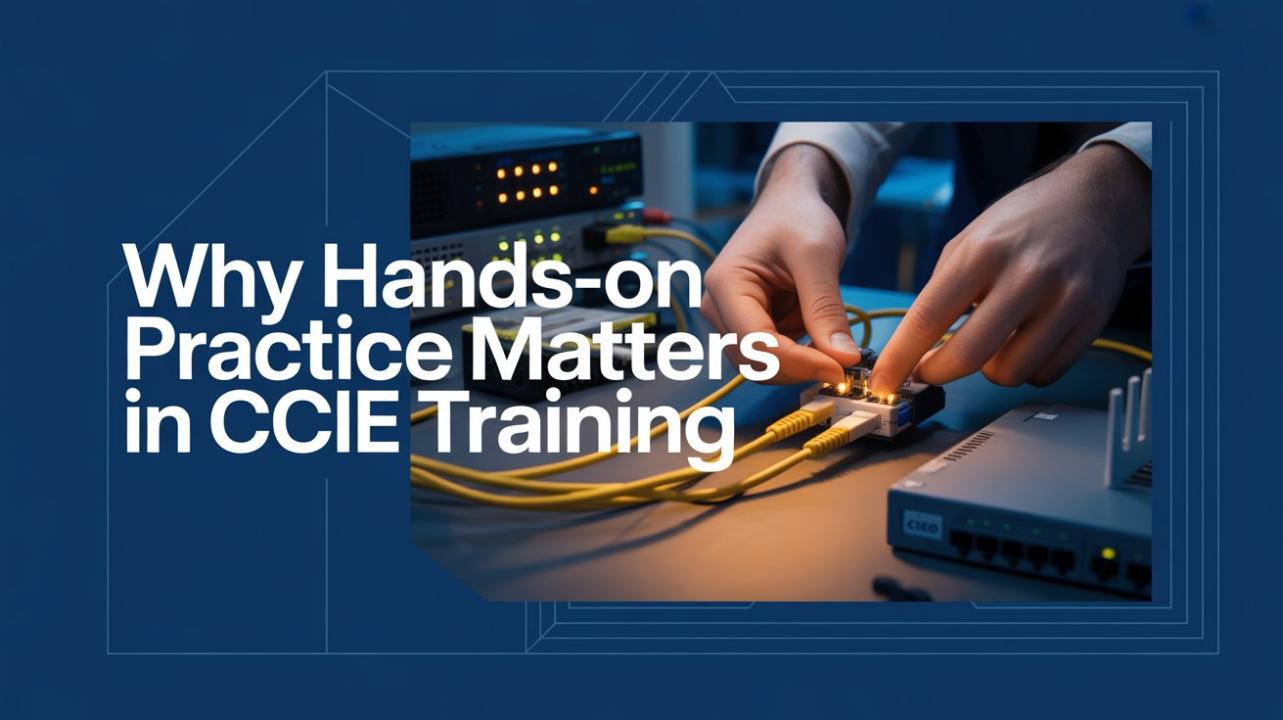
Why Hands-On Practice Matters in CCIE Training
The networking sector is evolving continuously as businesses adopt technologies such as automation, cloud platforms, virtualization, and advanced cybersecurity solutions. Professionals preparing for CCIE certification Training are expected to possess not only strong theoretical understanding but also the practical expertise needed to manage real enterprise environments effectively. Today, many learners choose flexible learning formats like CCIE training online because they offer remote access to advanced lab setups, expert guidance, and practical networking exercises from virtually anywhere.
Understanding the Value of Practical Learning in CCIE Preparation
The Cisco Certified Internetwork Expert (CCIE) certification is considered one of the most respected and advanced credentials in the networking domain. Unlike beginner or intermediate certifications, the CCIE program places major emphasis on practical implementation, troubleshooting, and real-time problem-solving capabilities.
Although understanding networking concepts and protocols is essential, theory alone cannot ensure success in the CCIE lab examination or in enterprise-level networking roles. Practical exposure allows candidates to apply technical concepts directly within live or simulated network environments.
Hands-on learning helps professionals gain confidence in configuring, managing, troubleshooting, and optimizing complex network infrastructures. It also improves familiarity with Cisco operating systems, automation tools, command-line interfaces, and real-world deployment scenarios.
Why Hands-On Experience Is Essential in CCIE Training
Develops Real-World Networking Expertise
Enterprise networks consist of multiple interconnected technologies that must function together efficiently. Through practical lab sessions, candidates understand how routers, switches, firewalls, wireless systems, and automation platforms interact within production infrastructures.
Hands-on exercises help learners:
Configure routing and switching protocols
Implement security technologies
Resolve connectivity issues
Manage automation processes
Improve network performance
Deploy enterprise-level architectures
These practical experiences prepare candidates for actual workplace responsibilities instead of relying solely on exam-focused memorization.
Enhances Troubleshooting Skills
Troubleshooting is one of the most critical competencies evaluated in the CCIE lab examination. Network engineers are expected to diagnose and resolve technical issues quickly and accurately under strict time constraints.
Practical training introduces candidates to real networking problems such as:
Routing failures
VLAN configuration errors
Authentication issues
Firewall policy conflicts
Automation scripting problems
Network latency and performance concerns
Repeated exposure to these situations improves analytical thinking, decision-making, and problem-resolution speed. As a result, candidates become more confident handling technical issues independently, which is essential for certification success and professional growth.
Improves Command-Line Efficiency
Cisco environments rely heavily on command-line interface (CLI) operations. Simply reading configuration examples is not enough to build the speed and precision required for advanced network administration.
Practical lab work enables candidates to:
Execute commands accurately
Understand syntax behavior
Navigate Cisco operating systems effectively
Verify configurations properly
Interpret debugging outputs efficiently
Regular CLI practice increases operational confidence while reducing configuration mistakes during both examinations and real deployments.
Importance of Hands-On Labs in the CCIE Lab Examination
Replicates Real Exam Environments
The CCIE lab examination tests a candidate’s ability to configure and troubleshoot enterprise networks within a limited timeframe. Success depends heavily on practical familiarity and effective time management.
Hands-on labs simulate actual exam conditions where candidates can:
Work under pressure
Resolve layered networking issues
Practice large-scale configurations
Improve task prioritization
Increase deployment accuracy
This preparation reduces exam-related stress and helps candidates become comfortable with advanced technical scenarios.
Strengthens Time Management Skills
Many candidates struggle during the CCIE lab because they spend too much time troubleshooting or incorrectly configuring tasks. Consistent practical repetition helps engineers complete activities more efficiently.
Lab practice teaches candidates how to:
Analyze network topologies quickly
Identify issues faster
Avoid unnecessary troubleshooting steps
Validate configurations methodically
Distribute time effectively across exam sections
These capabilities can significantly improve overall performance during the lab exam.
Importance of Real-Time Scenarios in CCIE Training
Connects Theory With Practical Implementation
Networking concepts may appear simple in books or classroom discussions, but real production environments often introduce additional complexity. Practical exercises demonstrate how technologies actually behave under different operational conditions.
For instance, a candidate may understand routing protocols conceptually, but real lab practice reveals how neighbor relationships, route advertisements, failover mechanisms, and protocol timers operate in live environments.
This deeper practical understanding improves technical competency and long-term knowledge retention.
Encourages Self-Learning and Exploration
Hands-on labs motivate learners to test multiple configurations and experiment with different approaches. This process strengthens independent learning and technical curiosity.
During practical exercises, candidates often discover:
Alternative configuration strategies
Optimization methods
Advanced troubleshooting techniques
Integration possibilities between technologies
Independent experimentation helps professionals build stronger technical foundations beyond standard training materials.
Technologies That Require Practical Experience in CCIE Training
Routing and Switching
Routing and switching technologies form the backbone of enterprise networking. Practical implementation is critical for mastering advanced protocols such as:
OSPF
EIGRP
BGP
STP
VLANs
MPLS
VXLAN
Hands-on labs help candidates understand how these technologies function together within enterprise infrastructures.
Network Automation
Modern enterprise networking increasingly depends on automation and programmability. Professionals pursuing CCIE certifications must understand automation frameworks and orchestration tools.
Practical exposure may include:
Python-based automation
REST API integrations
Cisco DNA Center
Ansible implementation
Network orchestration platforms
Automation-focused labs help candidates adapt to evolving enterprise networking requirements.
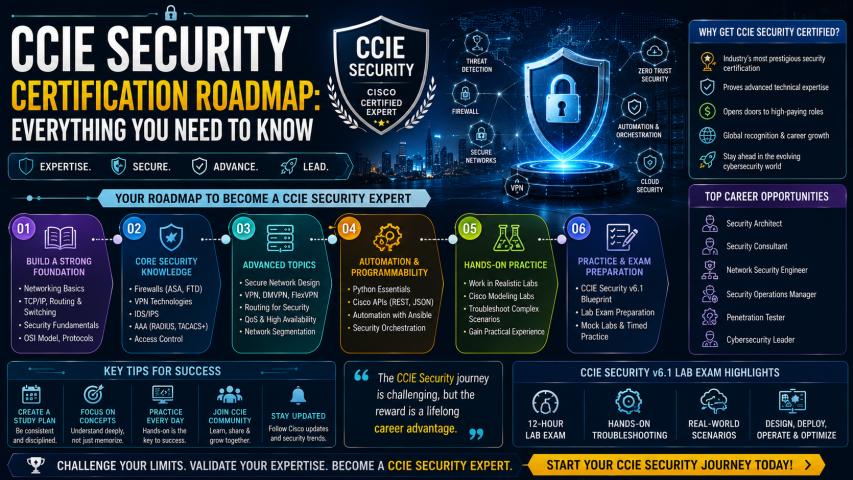
Security Technologies
Enterprise security implementation requires extensive practical knowledge because organizations use multiple layers of protection across their infrastructures.
Hands-on security training supports learning in areas such as:
VPN deployment
Firewall configuration
Access control implementation
Identity and authentication management
Threat detection mechanisms
Secure network segmentation
Real-time security practice improves both configuration accuracy and policy management capabilities.
Advantages of Virtual Labs and Online Practice Platforms
Greater Accessibility and Flexibility
Modern training providers offer cloud-based lab platforms that allow candidates to practice remotely at any time. This flexibility is especially valuable for working professionals balancing certification preparation with job responsibilities.
Virtual labs typically provide:
24/7 access
Remote device management
Scalable network topologies
Multi-vendor environments
Real-time troubleshooting simulations
These platforms make enterprise-level networking practice more accessible than traditional hardware-based labs.
Cost-Effective Learning Solutions
Building a personal physical networking lab can be expensive due to equipment costs, upgrades, and maintenance requirements. Online lab platforms reduce these expenses while still providing realistic hands-on experience.
Candidates can practice within enterprise-grade environments without purchasing large amounts of networking hardware.
How Practical Training Improves Career Readiness
Prepares Candidates for Enterprise Networking Roles
Organizations hiring CCIE-certified professionals expect them to manage mission-critical infrastructure with minimal supervision. Practical training prepares candidates for real operational responsibilities immediately after certification.
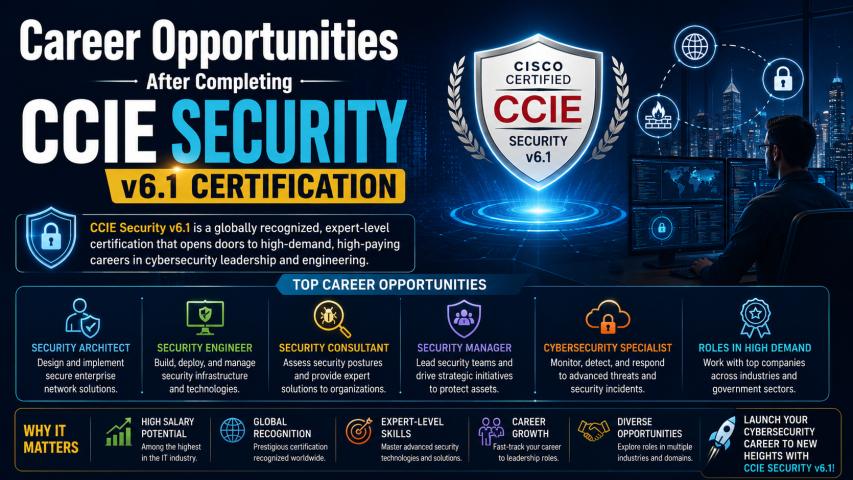
Hands-on expertise improves readiness for positions such as:
Network Engineer
Senior Network Administrator
Data Center Engineer
Security Engineer
Network Architect
Infrastructure Consultant
Employers highly value professionals who can solve technical problems efficiently in live environments.
Builds Technical Confidence
Confidence is extremely important during interviews, client interactions, deployments, and troubleshooting situations. Engineers with strong practical backgrounds communicate technical solutions more effectively and make faster decisions during high-pressure network incidents.
Best Practices for Effective Hands-On CCIE Preparation
Practice Consistently
Consistency is one of the most important aspects of successful CCIE preparation. Daily lab practice helps reinforce concepts and improve long-term retention.
Even short but regular practice sessions can gradually strengthen troubleshooting and configuration skills.
Work With Multiple Topologies
Using different network designs exposes candidates to a wider range of technical challenges. This variety improves adaptability and broadens technical understanding.
Candidates should practice with:
Small enterprise environments
Multi-site infrastructures
Hybrid cloud topologies
Security-focused deployments
Automation-driven architectures
Prioritize Troubleshooting Practice
Many learners spend too much time memorizing configurations while neglecting troubleshooting skills. Dedicated troubleshooting practice is equally important for CCIE success.
Candidates should intentionally create network issues and practice resolving them systematically.
Review Configurations Thoroughly
Analyzing completed configurations helps identify mistakes and improve overall accuracy. Reviewing routing tables, logs, and debugging outputs also strengthens technical understanding.
Conclusion
Hands-on practice remains one of the most essential elements of effective CCIE Course Certification preparation. While theoretical learning establishes the foundation, practical implementation develops the real-world expertise required to configure, troubleshoot, optimize, and manage complex enterprise networks successfully. Modern networking environments demand professionals who can confidently apply technical knowledge in real operational situations.
Through consistent lab practice, virtual simulations, troubleshooting exercises, and scenario-based learning, candidates can significantly improve both certification performance and career readiness. As enterprise networking continues evolving toward automation, cloud technologies, and advanced security architectures, practical expertise will remain a critical requirement for long-term success in the networking industry.