How Integrated Audits and Inspections Improve Operational
Safety Performance
Workplace
safety has evolved far beyond simply meeting regulatory expectations or
preparing for inspections. Modern organisations are now expected to maintain
full visibility into how risks are managed, demonstrating not just the final
results but the entire decision-making and corrective process behind them. When
incidents, hazards, or non-conformities arise, businesses need clear evidence
showing how the issue was discovered, who responded to it, what corrective
measures were taken, and how future recurrence will be avoided. At the same
time, organisations are placing greater emphasis on tracking patterns that
reveal genuine progress in reducing operational risk. Using a centralised EHS system to manage
inspections, audits, and corrective actions makes this level of control and
transparency significantly easier to achieve.
While
inspections and audits often work together, each serves a different purpose
within an effective safety program. Inspections are primarily focused on
present workplace conditions. They help identify immediate hazards, unsafe
behaviours, and gaps in task execution as operations are taking place. Audits,
on the other hand, take a broader and more strategic view by evaluating whether
systems, controls, and procedures are capable of managing risks consistently
over time. In simple terms, inspections show what is happening now, whereas
audits determine whether the overall safety structure can sustain safe
performance in the long run. When both processes are integrated, inspection
results can influence audit focus areas, while audit conclusions can refine future
inspection priorities. This relationship creates an ongoing cycle of
improvement directed toward the most critical risks.
For audits
to deliver meaningful outcomes, organisations must move away from standardised
templates and generic checklists. A more effective approach is to design audits
around the organisation’s actual operational hazards, legal obligations, and
workplace conditions. Different audit categories contribute to strengthening
the overall safety framework. Compliance audits examine whether environmental
and regulatory requirements are being met, including matters such as emissions
control, permit conditions, waste handling, and discharge management.
Management system audits assess the effectiveness of leadership engagement,
policies, employee competency, and operational oversight. Program audits focus
on high-risk activities like contractor safety, confined space entry, hot work,
and lockout/tagout practices. Environmental audits evaluate areas such as
hazardous substance storage, spill prevention controls, waste systems, and
protection of environmental resources. When audits are structured around
operational risk rather than paperwork, they become valuable tools that
actively contribute to safer and more reliable workplace performance.
The
effectiveness of any audit also depends heavily on the quality of its
documentation and reporting. Every observation should be backed by reliable
evidence and linked directly to the exact requirement that has not been
satisfied, whether it comes from legislation, internal procedures, or
operational standards. This level of clarity strengthens the integrity and
objectivity of the entire audit process. When gaps or deficiencies are
identified, reports should clearly describe the issue, explain the associated
risk, and assign accountability to the appropriate team or individual.
Well-prepared reporting turns audit findings into actionable improvements
instead of vague recommendations that are easily overlooked.
A reliable
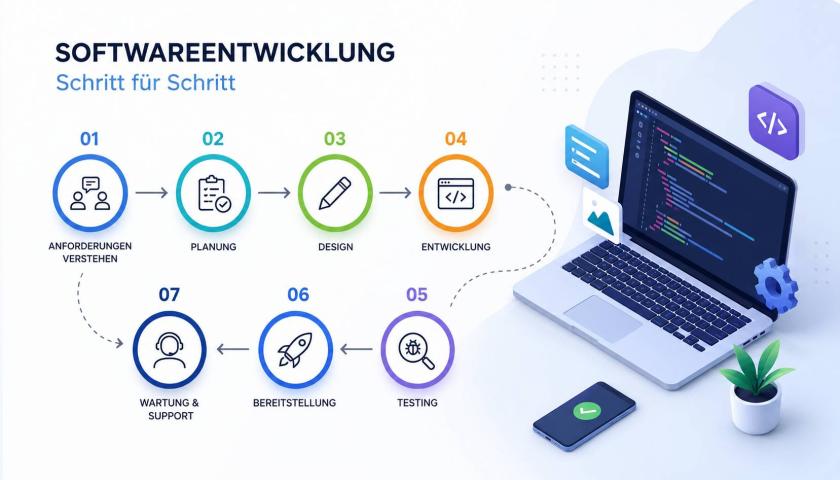
audit framework can be built through a structured seven-step approach. The
process begins by defining the audit scope, objectives, operational boundaries,
involved departments, and key risk areas. Preparation follows through reviewing
critical documentation such as SOPs, maintenance records, permits, training
history, and previous incident reports, while also informing relevant
stakeholders about the audit schedule. The next stage involves conducting
workplace inspections, observing operations, and engaging with employees,
supervisors, contractors, and EHS personnel to understand how procedures are
implemented in practice. Findings are then evaluated using a risk-based
perspective that considers both the likelihood of occurrence and the severity
of potential consequences. Detailed reports are prepared to identify strengths,
highlight weaknesses, assign responsibility, and establish achievable timelines
for corrective action. These findings are then converted into measurable
corrective and preventive actions that become part of daily operations. The
final stage focuses on verification to ensure actions are completed
effectively, root causes are resolved, and recurring high-risk issues continue
to be monitored over time.
Although
audits are essential, they do not automatically create safer workplaces on
their own. Organisations must also measure how effective the audit process
itself is. Simply completing inspections or closing checklist items does not
necessarily indicate genuine improvement in safety performance. More meaningful
insight comes from monitoring factors such as how quickly serious findings are
resolved, the number of overdue corrective actions, repeated problem areas, and
how long unresolved issues remain open across teams or facilities. These
lagging indicators should be balanced with proactive leading indicators such as
employee training completion, participation in risk assessments, and other
preventive initiatives. Combining both perspectives helps organisations confirm
that operational risks are actually being reduced instead of merely generating
additional documentation.
An
effective audit framework should cover a broad range of operational and
safety-related elements. Important focus areas include leadership
responsibility, risk and change management, competency-based training,
permit-to-work procedures, lockout/tagout systems, incident investigation
quality, CAPA effectiveness, emergency response readiness, chemical safety
controls, PPE compliance, machine safeguarding, contractor oversight,
environmental performance monitoring, workplace organisation, and document management
practices. Together, these components form a strong and defensible foundation
for workplace safety and operational excellence.
Digital
EHS platforms now play a critical role in supporting this integrated safety
environment. These systems streamline communication by tracking findings
efficiently, escalating overdue actions automatically, and maintaining
consistent compliance with permits and lockout/tagout requirements. They can
also trigger maintenance activities for essential equipment, revise procedures
when operational changes occur, and assign training whenever competency gaps
are identified. One of their greatest advantages is the ability to maintain
secure and tamper-resistant records that support compliance, certifications,
and regulatory expectations. As a result, organisations can ensure that every
corrective action is not only completed but also validated as a sustainable
long-term improvement.
Book a free demo @
https://toolkitx.com/blogsdetails.aspx?title=EHS-audit-(2025-guide):-definition,-checklist,-process,-and-ISO/OSHA-mapping