Dating apps have completely changed how people find love. Just a decade ago, meeting someone new meant going to events, asking friends for introductions, or hoping for a lucky encounter. Today, millions of people swipe left and right every single day looking for a match. If you have an idea for the next big dating app, this guide will walk you through everything you need to know, from the core features to the dating app cost in simple, clear terms.
Why Swipe-Based Dating Apps Are So Popular
The swipe mechanic is simple but powerful. Users see a photo, make a quick decision, and move on. It feels like a game that keeps people coming back. Apps like Tinder popularized this format, and now it is the standard for modern dating platforms.
The demand is only growing. The global online dating market is worth billions of dollars and is expected to continue to expand. This means there is still plenty of room for new apps, especially those that serve a specific audience or offer something unique.
Core Features You Need to Build
Before you write a single line of code, you need to know what your app must do. Here are the must-have features for any swipe-based dating app:
1. User Registration and Profiles
Users need a simple way to sign up through email, phone number, or social media. Once in, they create a profile with photos, a short bio, age, location, and preferences. Keep this process fast. If sign-up takes too long, people drop off.
2. Swipe Functionality
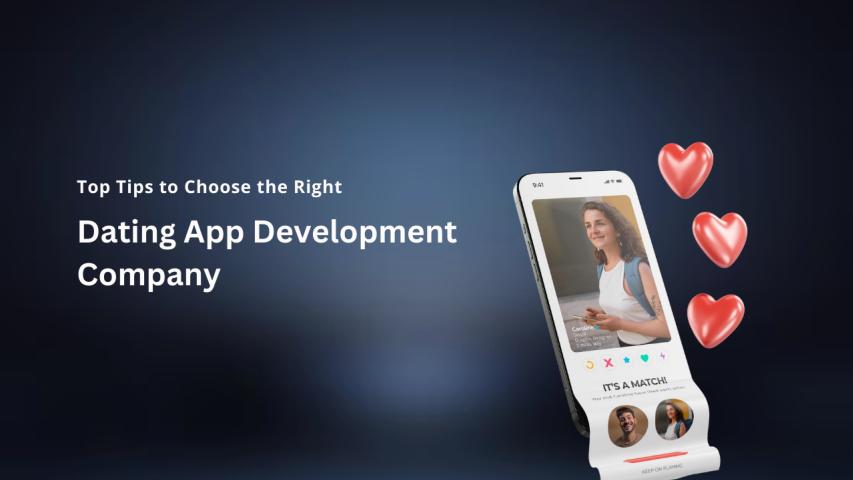
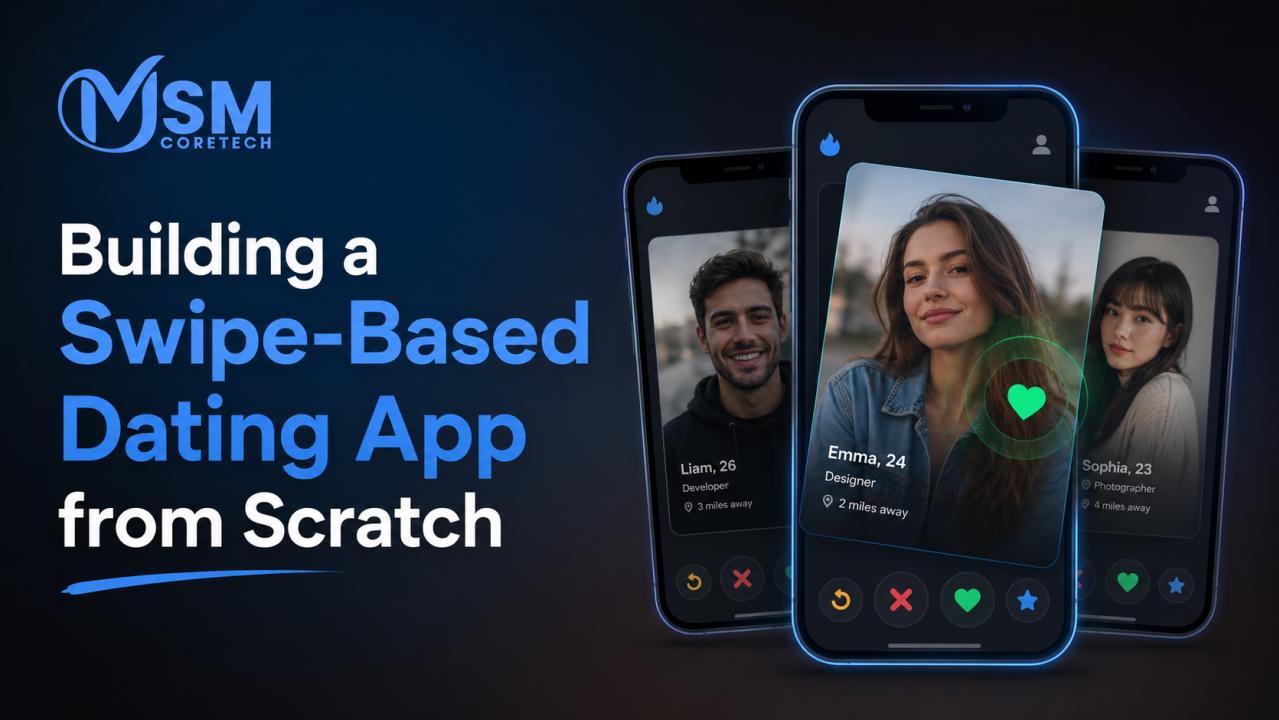
This is the heart of the app. Users swipe right to like someone and left to pass. When two people both swipe right, it becomes a match. The swipe animation should feel smooth and responsive; bad animations kill the user experience.
3. Matching Algorithm
Your app needs a smart system to decide which profiles to show each user. This can be based on location, age preferences, interests, or behavior patterns. The better your matching logic, the more likely users are to find meaningful connections.
4. In-App Messaging
Once users match, they need a way to talk. Build a clean, fast chat feature. You can add extras like voice notes, GIFs, or reactions later, but basic text messaging is enough to start.
5. Location-Based Discovery
Most dating apps show profiles based on proximity. Using GPS or device location data, your app can prioritize nearby people. Always give users control over how much location data they share.
6. Push Notifications
Notify users when they get a match, a new message, or when someone likes them. Smart notifications bring users back to the app without being annoying.
7. Privacy and Safety Features
Safety is critical in dating apps. Include options to report and block users, hide your profile, blur photos until matched, and verify identity. Users need to trust your platform before they open up to strangers.
8. Premium Subscription and In-App Purchases
This is how most dating apps make money. Offer a free version with limited swipes and charge for extras, unlimited swipes, seeing who liked you, boosting your profile, or rewinding a swipe. This "freemium" model works very well.
The Tech Stack: What Powers Your App
You do not need to know how to code to understand the basics of what goes into an app. Here is a simplified breakdown:
- Frontend (what users see): Built using tools like React Native or Flutter, which let you build for both iOS and Android from one codebase.
- Backend (the engine behind the scenes): Handles user data, matching logic, and messages. Common choices include Node.js or Python with a cloud server like AWS or Google Cloud.
- Database: Stores user profiles, matches, and messages. PostgreSQL and MongoDB are popular options.
- Real-Time Messaging: Tools like Firebase or WebSockets power instant messaging so chats feel live.
Choosing the right tech stack early saves a lot of headaches later. A good dating app development company will guide you through these decisions based on your goals and budget.
How Long Does It Take to Build?
A basic MVP (Minimum Viable Product) with core features, profiles, swiping, matching, and chat typically takes 3 to 6 months to build. A more complete app with advanced features, admin panels, and polished design can take 9 to 12 months or longer.
The timeline depends on the size of your development team, the complexity of features, and how many platforms (iOS, Android, web) you are targeting.
Dating App Cost: What Should You Budget?
This is usually the first question founders ask. The dating app cost varies widely depending on several factors:
Factors That Affect Cost
- Features: More features mean more development time, which means higher cost.
- Design complexity: Custom animations and polished UI cost more than basic templates.
- Platform: Building for both iOS and Android costs more than building for one platform alone.
- Development team location: Developers in North America or Western Europe charge more than teams in Eastern Europe, India, or Southeast Asia.
Rough Cost Estimates
App Type | Estimated Cost |
Basic MVP (core features only) | $20,000 – $50,000 |
Mid-level app (more features, polished UI) | $50,000 – $120,000 |
Full-featured app (advanced matching, video, etc.) | $120,000 – $300,000+ |
These are rough estimates. Your actual dating app cost will depend on the scope of your project and who builds it. Getting a detailed quote from a dating app development company is always the best first step.
Ongoing Costs to Keep in Mind
Building the app is just the beginning. You will also pay for:
- Server and cloud hosting (roughly $500–$5,000/month depending on traffic)
- App store fees (Apple and Google both charge annual fees)
- Customer support and moderation
- Marketing to acquire users
- Regular updates and bug fixes
Many founders underestimate ongoing costs. Plan for them from day one.
Choosing the Right Dating App Development Company
Unless you are a developer yourself, you will need a team to build your app. Here is what to look for when choosing a dating app development company:
- Portfolio: Have they built dating or social apps before? Ask to see examples.
- Reviews and references: Check platforms like Clutch or GoodFirms for honest client feedback.
- Communication: Do they respond quickly and explain things clearly? Poor communication early on is a red flag.
- Post-launch support: Will they fix bugs after launch? Do they offer maintenance contracts?
- Transparency on cost: Good companies give detailed, itemized quotes, not vague ballpark numbers.
You can choose between hiring a full-time in-house team, working with a freelance team, or partnering with a dedicated development agency. For most startups, a development agency or a well-vetted freelance team offers the best value.
Monetization: How Will You Make Money?
There are several proven ways to earn revenue from a dating app:
- Freemium model: Free basic access, paid upgrades for premium features.
- Subscriptions: Monthly or yearly plans (like Tinder Gold or Bumble Boost).
- In-app purchases: One-time buys like "Super Likes" or profile boosts.
- Ads: Show ads to free users (though this can hurt user experience if overdone).
Most successful apps use a mix of subscriptions and in-app purchases. Start simple and add more options as your user base grows.
Tips for Standing Out in a Crowded Market
There are hundreds of dating apps out there. Here is how to carve out your space:
- Niche down: Build for a specific community, pet lovers, professionals over 40, or people who share a hobby. Niche apps often have more loyal users.
- Focus on safety: Make trust and safety a core selling point, not an afterthought.
- Keep onboarding short: Users should be swiping within 2 minutes of downloading the app.
- Listen to your users: Gather feedback early and often. The apps that succeed are the ones that improve constantly.
- Build a community feel: Features like events, icebreaker prompts, or video dates can make your app feel more human.
Final Thoughts
Building a swipe-based dating app from scratch is a real undertaking, but it is absolutely doable with the right plan, the right team, and a clear budget. Understanding the dating app cost upfront and choosing a reliable dating app development company will save you time, money, and stress down the road.
Start with a focused MVP, learn from your early users, and grow from there. The best dating apps were not built overnight; they were shaped by feedback, iteration, and a genuine desire to help people connect.