The education industry has become increasingly competitive over the last decade. Universities, colleges, online learning platforms, and vocational training institutes are all competing for the attention of prospective students. With changing student expectations and the rise of digital channels, institutions can no longer rely solely on traditional marketing methods to attract enrollments. Instead, they need a well-planned lead generation strategy that identifies, engages, and converts potential students into applicants.
Lead generation is the process of attracting interested individuals and guiding them through the enrollment journey. It plays a crucial role in helping educational institutions maintain a consistent flow of qualified prospects while improving admission outcomes. A strong lead generation strategy not only increases inquiries but also ensures that marketing efforts reach students who are genuinely interested in the programs being offered.
The Importance of Lead Generation in Education
Educational institutions face unique challenges when marketing their programs. Students often spend months researching courses, comparing universities, and evaluating career opportunities before making a final decision. This lengthy decision-making process makes it essential for institutions to stay connected with prospects through personalized communication and valuable information.
Effective lead generation helps institutions:
- Increase student inquiries and applications
- Improve enrollment rates
- Build brand awareness and credibility
- Reach the right audience at the right time
- Optimize marketing budgets
- Create long-term relationships with prospective students
By implementing targeted campaigns, institutions can attract students who are more likely to complete the application process and enroll successfully.
Digital Channels Driving Student Acquisition
Today's students spend a significant amount of time online, making digital marketing one of the most effective methods for generating leads. Educational institutions can utilize multiple channels to reach potential applicants.
Search Engine Optimization (SEO)
SEO helps institutions improve their visibility in search engine results. When students search for degree programs, universities, certifications, or career-oriented courses, institutions with strong SEO strategies are more likely to appear in front of them.
Optimized website content, informative blogs, and targeted keywords can significantly increase organic traffic and generate high-quality leads over time.
Pay-Per-Click Advertising (PPC)
PPC campaigns allow institutions to target specific demographics, locations, and interests. These advertisements appear on search engines and social media platforms, driving immediate traffic to landing pages designed to capture student information.
Social Media Marketing
Platforms such as Facebook, Instagram, LinkedIn, and YouTube provide excellent opportunities to engage prospective students. Educational institutions can showcase campus life, student success stories, faculty expertise, and program highlights through compelling content.
Email Marketing
Email campaigns remain one of the most effective tools for nurturing leads. Personalized emails can provide prospects with program details, admission deadlines, scholarship information, and event invitations, helping move them through the enrollment funnel.
Why Data-Driven Strategies Matter
Modern lead generation relies heavily on data and analytics. Institutions that track user behavior, campaign performance, and conversion metrics can make informed decisions to improve results.
Data-driven strategies help marketers understand:
- Which channels generate the most qualified leads
- What content resonates with prospective students
- How students interact with websites and landing pages
- Which campaigns produce the highest return on investment
By analyzing these insights, institutions can continuously optimize their marketing efforts and improve enrollment outcomes.
The Role of Specialized Partners
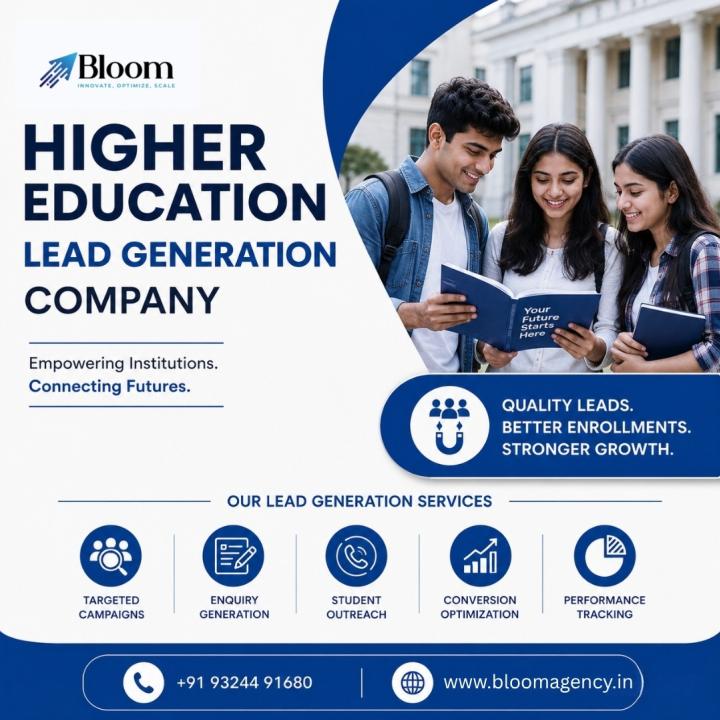
Many educational institutions choose to work with external experts to strengthen their recruitment efforts. Professional Higher Education Lead Generation Companies offer specialized services designed specifically for the education sector. These organizations understand student behavior, digital marketing trends, and enrollment challenges, allowing them to create highly targeted campaigns.
Such partnerships can provide access to advanced marketing technologies, experienced professionals, and proven lead generation frameworks. As a result, institutions can focus on delivering quality education while experts manage student acquisition efforts.
Key Elements of a Successful Lead Generation Campaign
A successful campaign requires more than simply driving traffic to a website. Several components must work together to maximize conversions.
High-Converting Landing Pages
Landing pages should be designed with clear messaging, compelling calls to action, and easy-to-complete forms. The goal is to capture essential information without creating friction for prospective students.
Personalized Communication
Students expect personalized experiences throughout their decision-making journey. Customized content based on interests, academic goals, and engagement history can significantly improve conversion rates.
Marketing Automation
Automation tools help institutions manage large volumes of leads efficiently. Automated workflows can send follow-up emails, schedule reminders, and nurture prospects based on their stage in the enrollment process.
Content Marketing
Educational content builds trust and authority. Blogs, webinars, guides, videos, and case studies provide valuable information while positioning the institution as a reliable source of knowledge.
Future Trends in Education Marketing
The future of student recruitment will be driven by artificial intelligence, predictive analytics, and personalized digital experiences. Institutions that embrace these innovations will be better equipped to identify high-intent prospects and deliver relevant messaging throughout the student journey.
Additionally, mobile-first marketing strategies will become increasingly important as students continue to rely on smartphones for research, communication, and applications.
Educational institutions that invest in modern lead generation techniques today will be better positioned for long-term growth and success. Whether through internal marketing teams or partnerships with experienced Higher Education Lead Generation Companies, a strategic approach to lead generation can help institutions attract qualified students, improve enrollment rates, and build a stronger presence in the competitive education marketplace.