Higher education institutions are facing a rapidly evolving recruitment landscape. Students today have access to endless educational options, making it more challenging for universities and colleges to attract attention and secure enrollments. In such a competitive environment, institutions must adopt innovative marketing strategies that go beyond traditional advertising and outreach efforts.
One of the most effective approaches is lead generation. By identifying and engaging prospective students early in their decision-making process, educational institutions can create stronger relationships, increase applications, and improve enrollment outcomes. A well-executed lead generation strategy not only supports recruitment goals but also contributes to long-term institutional growth.
Understanding the Importance of Student Lead Generation
Lead generation is the process of attracting individuals who express interest in an educational program and collecting their information for future communication. These prospects may discover an institution through search engines, social media platforms, educational websites, webinars, or digital advertisements.
The goal is to move potential students through a structured journey—from awareness and consideration to application and enrollment. Institutions that successfully manage this process are more likely to attract qualified candidates who align with their academic offerings.
As student expectations continue to evolve, institutions must focus on delivering personalized experiences that address individual needs and aspirations.
Why Student Recruitment Has Become More Complex
The path to enrollment is no longer straightforward. Prospective students conduct extensive research before making a final decision. They compare multiple institutions, explore program details, evaluate tuition costs, and assess career opportunities.
Several factors influence student choices, including:
- Academic reputation
- Course availability
- Campus facilities
- Financial aid opportunities
- Career outcomes
- Learning flexibility
- Student support services
Because students engage with multiple information sources, educational institutions need a consistent and effective strategy to remain visible throughout the decision-making process.
Building Awareness Through Digital Marketing
Digital marketing serves as the foundation of modern lead generation efforts. Educational institutions can use various online channels to reach students where they spend most of their time.
Search Engine Marketing
Search engines remain one of the primary resources students use when researching educational opportunities. Paid and organic search campaigns help institutions appear in front of prospective applicants at critical moments.
By targeting relevant search terms, institutions can attract individuals actively seeking information about specific programs and career pathways.
Social Media Engagement
Social media platforms offer powerful opportunities to connect with students and showcase institutional strengths. Content such as student testimonials, campus events, faculty achievements, and program highlights can increase engagement and build trust.
Interactive content, live sessions, and video storytelling often generate stronger responses than traditional promotional messaging.
Email Nurturing Campaigns
Email marketing remains one of the most effective lead nurturing tools available. Once a student submits an inquiry, institutions can provide personalized updates, program information, application reminders, and scholarship opportunities through automated email sequences.
Consistent communication helps maintain interest and encourages students to move forward in the enrollment process.
The Value of Content Marketing
Educational content plays a crucial role in attracting and converting prospective students. High-quality content answers questions, addresses concerns, and demonstrates institutional expertise.
Effective content formats include:
- Educational blogs
- Career planning guides
- Student success stories
- Admission resources
- Faculty interviews
- Video presentations
- Industry trend reports
Providing valuable information helps institutions establish credibility while supporting prospective students throughout their research journey.
Creating High-Converting Landing Pages
Landing pages are often the first point of conversion in a lead generation campaign. A well-designed landing page should provide clear information and encourage visitors to take action.
Key elements of effective landing pages include:
- Strong headlines
- Program-specific information
- Easy-to-complete inquiry forms
- Clear calls to action
- Mobile responsiveness
- Social proof and testimonials
When optimized correctly, landing pages can significantly improve lead capture rates and campaign performance.
Working with Recruitment Specialists
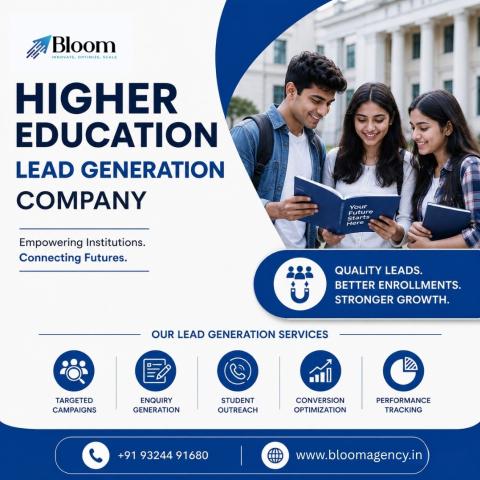
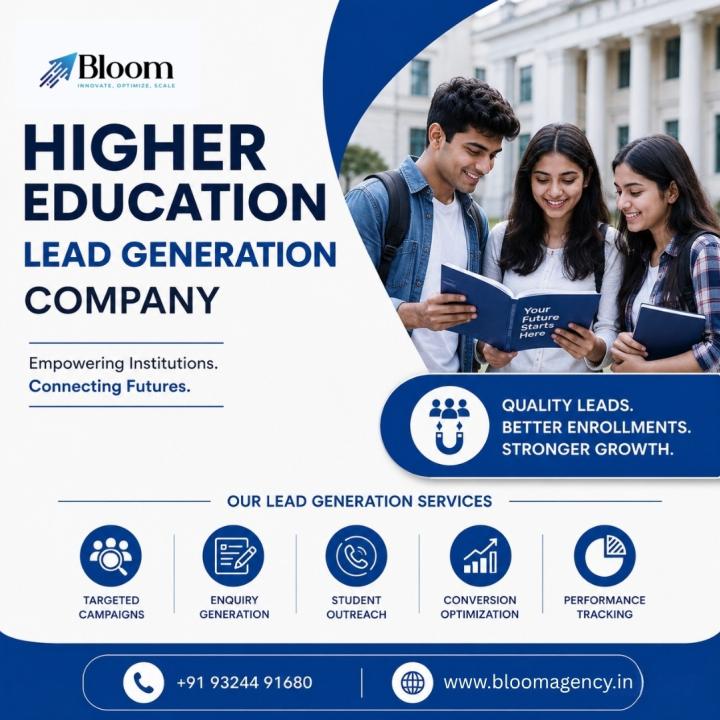
Many institutions choose to collaborate with professional Higher Education Lead Generation Companies to strengthen their recruitment efforts. These specialists understand the unique challenges of student acquisition and bring valuable expertise to marketing campaigns.
They assist with audience targeting, campaign optimization, marketing automation, and performance tracking. Their knowledge of educational marketing trends allows institutions to reach the right students more effectively.
Partnering with experienced professionals can help institutions reduce acquisition costs while increasing enrollment efficiency.
Data Analytics and Performance Measurement
Successful lead generation relies heavily on continuous improvement. Educational institutions must track campaign performance to identify strengths and opportunities for optimization.
Important performance indicators include:
- Website traffic growth
- Lead generation volume
- Inquiry-to-application rate
- Application-to-enrollment rate
- Cost per acquisition
- Marketing return on investment
Analyzing these metrics enables institutions to make informed decisions and allocate resources more effectively.
Looking Ahead
The future of higher education marketing will be driven by technology, personalization, and data intelligence. Artificial intelligence and predictive analytics are already helping institutions identify prospective students with greater accuracy and deliver more relevant experiences.
Virtual events, chatbot interactions, personalized content recommendations, and automated communication workflows are expected to become even more important in the coming years.
Educational institutions that embrace innovation and prioritize student-focused marketing strategies will gain a competitive advantage in recruitment. By investing in modern lead generation techniques and partnering with trusted Higher Education Lead Generation Companies, universities and colleges can attract qualified students, strengthen enrollment pipelines, and position themselves for sustainable growth in an increasingly competitive educational environment.