The higher education landscape has transformed dramatically in recent years. Students now have access to countless educational opportunities, ranging from traditional university programs to online certifications and hybrid learning models. As competition increases, educational institutions must adopt innovative marketing strategies to attract, engage, and convert prospective students.
Lead generation has become one of the most important aspects of student recruitment. It enables institutions to identify potential applicants, nurture their interest, and guide them toward enrollment. A well-structured lead generation strategy not only improves admission numbers but also helps institutions build lasting relationships with future students.
Understanding Educational Lead Generation
Lead generation refers to the process of attracting individuals who show interest in an educational program and collecting their information for future communication. These leads can come from various sources, including websites, social media platforms, search engines, webinars, and educational events.
The objective is not simply to increase inquiries but to attract qualified prospects who are genuinely interested in the institution’s offerings. Quality leads are more likely to complete applications, attend interviews, and ultimately enroll in academic programs.
Why Traditional Recruitment Methods Are No Longer Enough
For many years, educational institutions relied on newspaper advertisements, educational fairs, and direct outreach to attract students. While these methods still have value, they often lack the precision and scalability required in today's digital environment.
Modern students conduct extensive online research before making enrollment decisions. They compare institutions, read reviews, explore course details, and interact with digital content. As a result, institutions need a strong online presence to remain competitive.
Digital lead generation provides measurable results, broader reach, and better targeting capabilities compared to traditional recruitment methods.
Creating a Student-Centric Marketing Approach
Successful lead generation starts with understanding the needs and expectations of prospective students. Educational institutions should focus on creating personalized experiences that address student concerns and aspirations.
Common factors influencing enrollment decisions include:
- Program quality
- Career opportunities
- Tuition fees
- Campus facilities
- Faculty expertise
- Student support services
- Flexibility of learning options
Marketing campaigns that highlight these factors can significantly improve engagement and conversion rates.
Leveraging Search Engine Visibility
Search engines remain one of the primary tools students use when researching educational opportunities. Institutions that rank highly for relevant keywords are more likely to attract qualified traffic.
Search engine optimization involves improving website content, technical performance, and user experience. Informative blog posts, detailed course pages, and educational resources help institutions establish authority while increasing visibility in search results.
Consistent SEO efforts can generate a steady stream of organic leads without relying entirely on paid advertising.
The Power of Social Media Engagement
Social media platforms have become essential communication channels for educational institutions. Students spend considerable time on platforms such as Instagram, LinkedIn, YouTube, and Facebook, making these networks valuable for recruitment campaigns.
Through social media, institutions can:
- Showcase student achievements
- Highlight campus life
- Promote academic programs
- Conduct live Q&A sessions
- Share testimonials and success stories
Authentic and engaging content helps build trust while encouraging prospective students to take the next step in their educational journey.
Using Marketing Automation to Improve Results
Managing thousands of inquiries manually can be challenging for admissions teams. Marketing automation helps streamline communication while ensuring that every lead receives timely and relevant information.
Automation tools can:
- Send welcome emails
- Deliver course information
- Schedule follow-ups
- Track student engagement
- Segment audiences based on interests
These capabilities allow institutions to nurture leads more effectively and increase the likelihood of conversion.
Partnering with Industry Experts
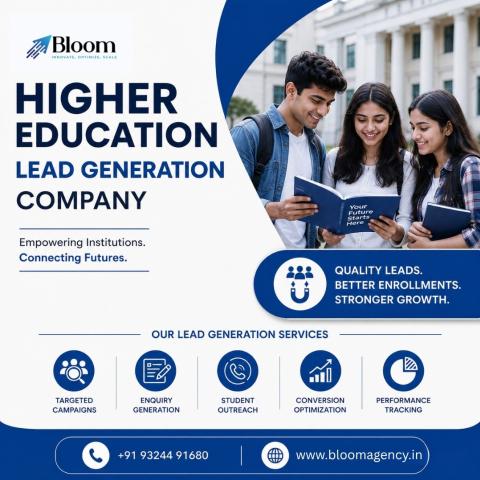
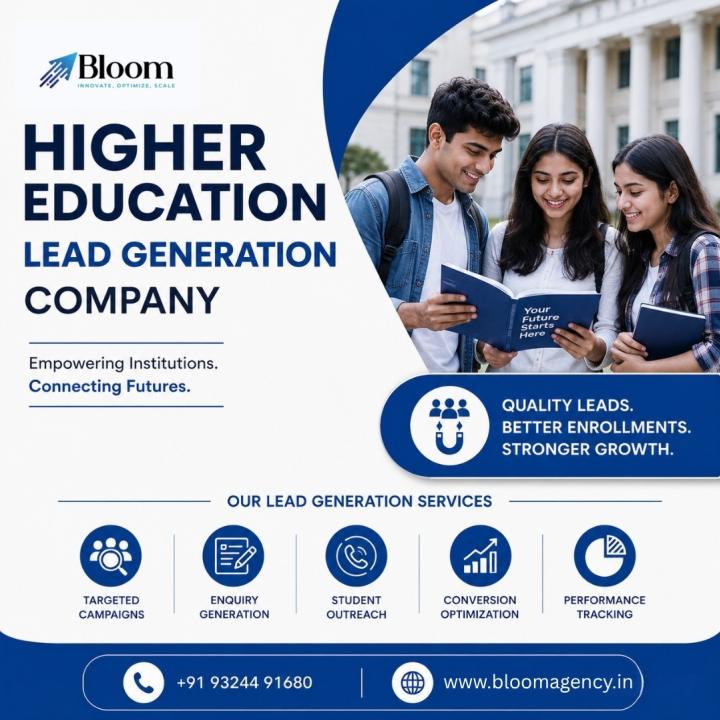
Many institutions seek external support to enhance their recruitment efforts. Experienced Higher Education Lead Generation Companies provide specialized knowledge, advanced technology, and strategic guidance tailored to the education sector.
These organizations help institutions identify target audiences, develop marketing campaigns, optimize conversion funnels, and measure performance. Their expertise can significantly reduce acquisition costs while improving lead quality.
By leveraging professional support, educational institutions can achieve enrollment goals more efficiently and remain competitive in a rapidly evolving market.
Measuring Lead Generation Success
Effective lead generation requires continuous monitoring and optimization. Institutions should track key performance indicators to understand campaign effectiveness and identify areas for improvement.
Important metrics include:
- Website traffic
- Cost per lead
- Conversion rate
- Application completion rate
- Enrollment rate
- Return on marketing investment
Regular analysis enables institutions to allocate resources more effectively and maximize recruitment outcomes.
Preparing for the Future
The future of education marketing will be shaped by artificial intelligence, predictive analytics, and personalized digital experiences. Prospective students increasingly expect customized interactions that align with their interests and career goals.
Institutions that invest in data-driven marketing strategies and advanced lead nurturing systems will be better positioned to attract high-quality applicants. Furthermore, mobile optimization, video marketing, and interactive content will continue to play an important role in student recruitment.
As competition intensifies, institutions must focus on delivering meaningful experiences throughout the enrollment journey. Collaborating with trusted Higher Education Lead Generation Companies and implementing innovative marketing techniques can help educational organizations achieve sustainable growth, improve enrollment performance, and build stronger relationships with future students.