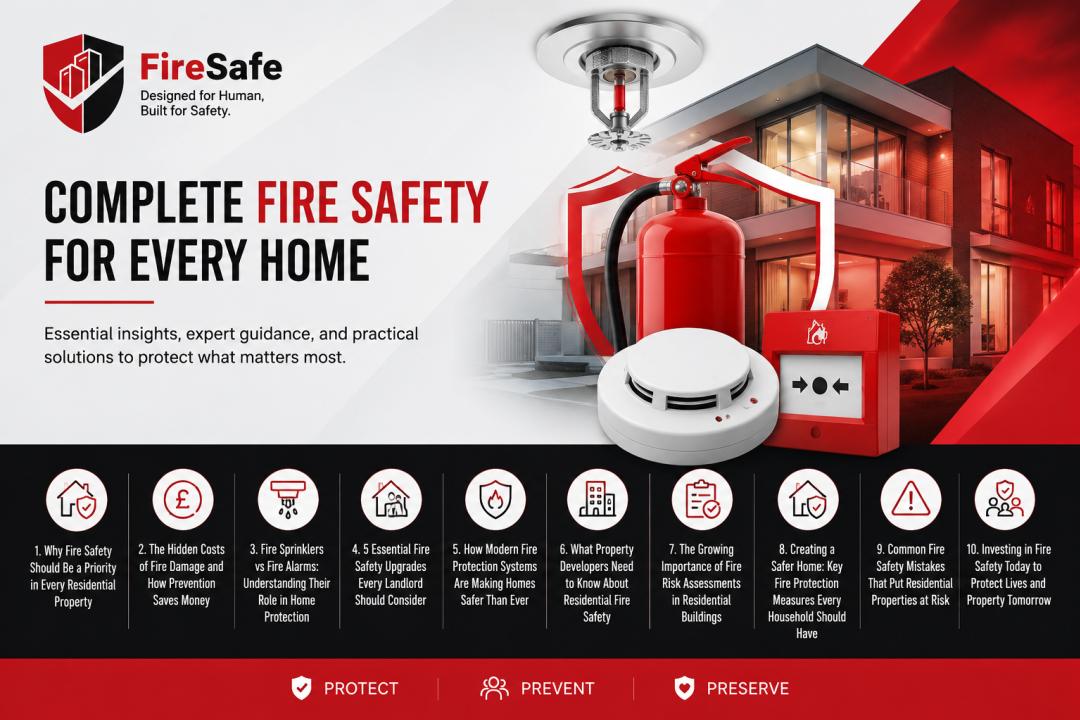
Fire safety has become one of the most important considerations in residential property development. As building regulations evolve and expectations around occupant safety continue to grow, developers must ensure that fire protection is integrated into projects from the earliest planning stages.
Effective fire safety measures not only help protect future residents but also support regulatory compliance, reduce liability risks, and enhance the long-term value of residential developments. Understanding the key principles of modern fire safety can help developers create safer, more resilient buildings that meet both legal requirements and market expectations.
Fire Safety Starts at the Design Stage
One of the most effective ways to improve fire safety is to consider it during the design phase of a project. Incorporating fire protection measures early allows developers to create buildings that are safer, more efficient, and easier to maintain over time.
Building layout, access routes, emergency exits, and compartmentation systems should all be carefully planned to support safe evacuation and limit the spread of fire and smoke. Early integration of fire safety measures can also help avoid costly modifications later in the construction process.
A proactive approach ensures that fire safety becomes a core element of the development rather than an afterthought.
Understanding Fire Detection and Alarm Systems
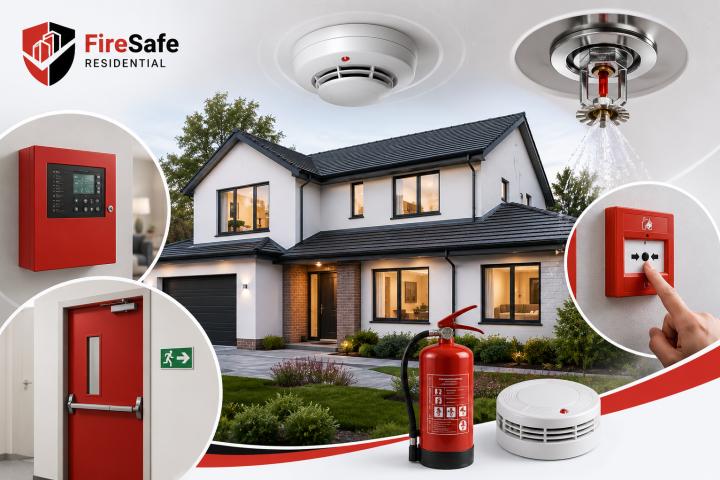
Modern residential developments require reliable fire detection systems capable of providing early warning during emergencies. Smoke detectors, heat detectors, and fire alarm systems help alert occupants and emergency responders when a fire occurs.
The type of system required will depend on the size, layout, and intended use of the building. Developers should ensure that fire detection systems are designed to provide comprehensive coverage while meeting applicable safety standards.
Proper installation and future maintenance planning are equally important to ensure long-term effectiveness.
The Growing Role of Residential Sprinkler Systems
Fire sprinkler systems are becoming increasingly common in residential developments due to their proven ability to control fires and reduce damage. Unlike fire alarms, which provide warnings, sprinkler systems actively respond to fires by suppressing or containing them.
Installing sprinkler systems can significantly improve occupant safety and reduce the likelihood of extensive property damage. They can also provide additional reassurance to residents and investors who prioritize building safety.
As awareness of fire risks continues to increase, many developers are viewing sprinkler systems as an important component of modern residential construction.
The Importance of Passive Fire Protection
Passive fire protection is designed to slow the spread of fire and smoke throughout a building. Unlike active systems, passive measures are built into the structure and provide continuous protection without requiring activation.
Examples include:
- Fire-resistant walls and floors
- Fire-rated doors
- Fire-stopping materials
- Building compartmentation systems
These features help contain fires within specific areas, providing valuable time for evacuation and emergency response. For developers, investing in high-quality passive fire protection can significantly enhance the overall safety performance of a residential property.
Compliance and Risk Management
Residential developments must comply with a range of fire safety regulations and building standards. Failing to meet these requirements can lead to delays, additional costs, and potential legal consequences.
Developers should work closely with fire safety consultants, designers, and construction professionals throughout the project lifecycle. Regular reviews and assessments help ensure that fire safety measures remain aligned with current regulations and best practices.
A strong compliance strategy not only reduces risk but also demonstrates a commitment to responsible development.
Creating Safer Communities
Modern buyers and tenants are increasingly aware of fire safety and often consider it when choosing where to live. Developments that prioritize safety can benefit from enhanced reputation, stronger resident confidence, and long-term market appeal.
Many developers partner with Fire protection services in UK to help assess project requirements, implement suitable safety systems, and ensure ongoing compliance throughout the construction and occupancy phases. Professional expertise can help developers navigate complex requirements while delivering safer residential environments.
Conclusion
Residential fire safety is a critical consideration for every property developer. From early-stage planning and fire detection systems to sprinkler installations and passive fire protection, every element plays a role in creating safer buildings.
By integrating fire safety into the development process, maintaining compliance, and adopting modern protection measures, developers can help safeguard residents, protect investments, and contribute to the creation of safer communities for the future.
Original source : https://ecomotion.ae/residential-sprinkler-systems-in-the-uk-are-they-worth-the-investment/