Early-stage teams tend to obsess over the parts of brand that feel expensive: the logo system, the website, the pitch deck, the product video, the trade-show booth they may not need yet. Then a customer clicks the founder's LinkedIn profile and sees a cropped wedding photo, a dim laptop selfie, or a profile picture from three jobs ago.
It is a small miss, but small misses add up fast. A startup does not have the luxury of being half-legible. Buyers, investors, applicants, partners, and journalists often meet the team online before they ever hear a pitch. The product might be sharp. The writing might be clear. But if the people behind the company look inconsistent or rushed, that becomes part of the first impression too.
This is why AI headshot generators are becoming more useful than the novelty category they first appeared to be. For startup teams, the point is not vanity. It is operational consistency. A clean headshot makes a founder profile, team page, investor intro, podcast bio, sales email, and conference page feel like they belong to the same company.
The practical question is simple: when does a team need a polished professional image, and when is a full photo shoot too much process for the job?
The team page is part of the sales funnel
Startup websites often treat the team page as a formality. Add a few names, paste in titles, upload whatever headshots are available, and move on. That works until the company starts asking people to trust it with money, data, time, or reputation.
For a SaaS founder selling into businesses, the team page is not decorative. It answers quiet questions. Who is building this? Do they look reachable? Is there a real person behind the product? Does this company seem organized enough to survive the next twelve months?
A messy set of photos will not kill a good product, but it can make the company feel early in the wrong way. There is a difference between "lean" and "unfinished." Lean means the team spends money carefully. Unfinished means the outside world has to guess whether anyone is paying attention.
Professional headshots help because they remove one source of doubt. They do not make a weak business strong. They simply stop the visuals from working against the message.
Why traditional photo shoots often break for small teams
A studio shoot sounds simple until someone has to schedule it. The founder is in one city. The first engineer is remote. The marketer works part time. The advisor is never available on the same day as anyone else. One person joins two weeks later and suddenly the team page is inconsistent again.
That is the real problem: not the cost of one headshot, but the cost of keeping the whole set current. Startups change quickly. New hires arrive. Cofounders switch roles. A personal brand grows from "stealth founder" to "speaker at events" in a few months. A photo set that looked current in January can feel old by July.
AI tools do not replace every studio shoot. A company raising a major round, filming a brand campaign, or preparing a high-visibility press launch may still want a photographer. But for most routine needs, speed matters more than ceremony. A profile photo for LinkedIn, a founder bio, a support-team page, or a webinar speaker card should not require a production calendar.
That is where tools like DatePhotos AI fit into a startup workflow. The homepage product is built around AI-generated profile photos, and the same visual logic applies here: the photo should look like a real person in a context that fits the use case, not like a generic avatar.
Headshots are becoming a brand system
The best startup teams treat headshots the way they treat typography or button >
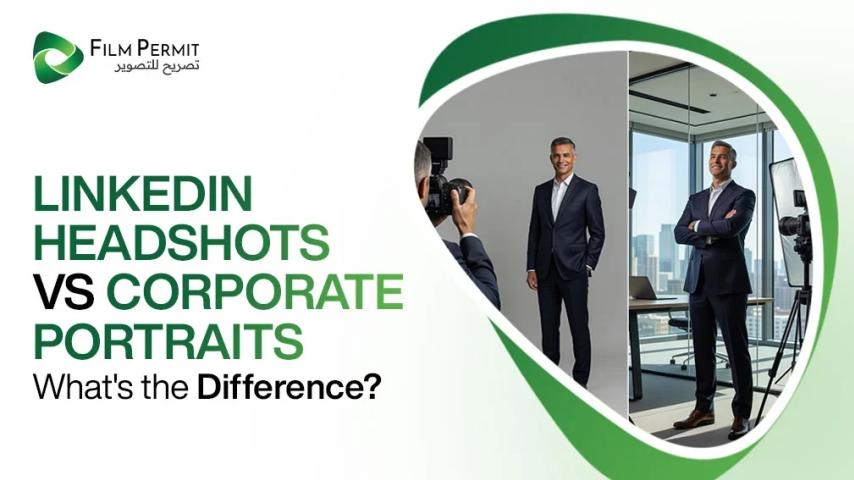
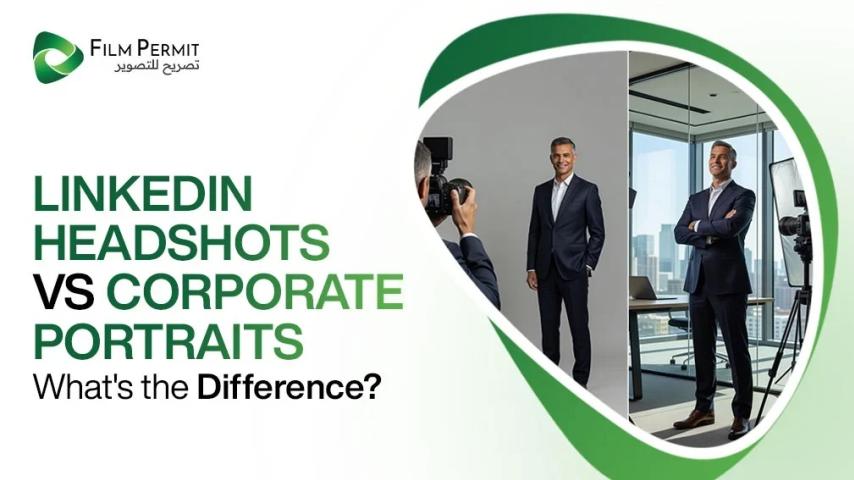
That does not mean every person needs the same grey background and the same blazer. In fact, that can make a young company feel stiff. A founder, designer, account executive, and developer may need slightly different visual signals. The point is to set a range: clean lighting, clear face, similar crop, no distracting backgrounds, and enough polish that the person looks ready to represent the company.
Think about all the places one headshot travels. LinkedIn. Company site. Product Hunt launch. Startup directory. Investor update. Guest post author box. Podcast page. Conference profile. Sales deck. Email signature. Once a person is public-facing, the photo stops being a private asset. It becomes part of how the business is recognized.
This is also why mismatched photos feel worse as a company grows. One casual selfie on a three-person landing page is understandable. Ten random crops across a twenty-person team page look careless. The company starts to feel like a set of freelancers rather than a coordinated team.
What a useful AI headshot tool should actually do
A useful headshot generator should do more than smooth skin and swap a background. For business use, the hard part is matching the image to the role.
A LinkedIn photo needs a different tone from a creator avatar. A resume photo needs a different crop from a founder bio. A passport or ID->
The stronger workflow starts from one clear selfie, then lets the user pick the intent. Is this for LinkedIn? A resume? A company profile? A formal ID? A startup founder page? The output should adapt wardrobe, crop, lighting, and background to the job.
That matters because many teams do not know what they need until they see the difference. A founder may think a casual profile picture is fine until they compare it with a clean LinkedIn->
The founder photo has its own job
Founder headshots deserve special attention because founders are often the brand before the company has a brand. Investors look them up. Customers read their posts. Candidates decide whether the company feels like a place worth joining. A founder's photo does not have to look expensive, but it does need to look current and credible.
The mistake is trying to look like a public-company executive too early. A black suit against a dark studio background can feel heavy for a startup that sells developer tools or creator software. On the other hand, a phone selfie in a dark room can make the company feel less serious than it is.
A good founder headshot sits between those extremes. Clear face. Clean crop. Better light than a webcam. Clothes that fit the category. Enough personality to feel human. It should look like someone a customer could speak with on a demo call, not someone posing for a bank's annual report.
This is where AI-generated options can help. A founder can test a modern startup look, a more formal executive look, and a softer creator->
Team consistency does not mean visual sameness
There is a trap in "standardizing" headshots. Some companies overdo it. Every person gets the same pose, same crop, same expression, and same background. It looks tidy, but it also looks lifeless.
Startup teams are usually better served by a looser system. Keep the basics consistent: face visible, similar framing, clean light, no clutter, no outdated photos. Then let the role shape the >
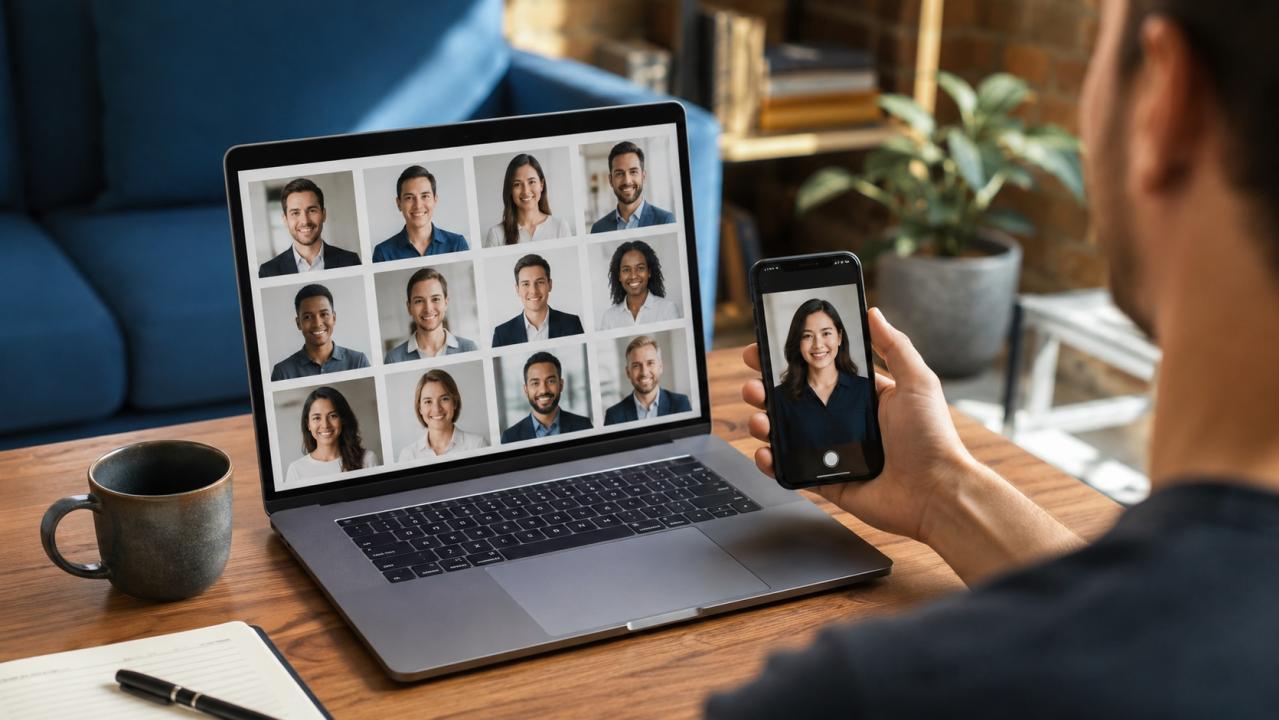
A practical rule: if the photos were placed side by side on a company page, would they feel like they came from the same organization? If yes, the system is working. If they feel like a collage pulled from different decades of the internet, fix the inputs.
Where startups should use AI headshots first
The first place is LinkedIn. It is still the default identity layer for founders, operators, recruiters, investors, and B2B buyers. If the photo is weak there, it follows the person into almost every professional interaction.
The second place is the company website. Team pages, author bios, and customer-facing profile cards should not feel like an afterthought. For small teams, a simple headshot refresh can make the site feel more complete without touching the product or copy.
A free headshot generator is useful here because it lets a team test the professional version before booking a shoot. DatePhotos AI's page is built around one selfie, 22 professional >
The third place is launch collateral. Product Hunt, startup directories, founder interviews, podcast appearances, partner pages, and webinar profiles all need images. When those images are created in a hurry, they often look that way. Having a ready set of clean portraits lowers the friction of saying yes to public opportunities.
The fourth place is internal consistency. Even if a team is remote, a shared standard for profile photos can make Slack, Notion, CRM profiles, and support dashboards feel less random. That may sound minor, but culture is partly made of small repeated signals.
When not to use AI headshots
There are times when AI is the wrong tool. If the photo needs to document a real event, use a real photo. If the company is announcing a major funding round and wants original photography for press, hire a photographer. If a regulated form has strict photo rules, always check the official requirements before submitting any generated image.
There is also a trust line. An AI headshot should still look like the person. If the face changes too much, the photo is not useful. If the image makes someone look ten years younger or changes their facial structure, it creates a problem instead of solving one. The best professional photo is not the most flattering version possible. It is the most credible version that still feels like you.
For startups, that should be the standard. Use AI to clean up friction: bad lighting, inconsistent backgrounds, awkward crops, missing team photos. Do not use it to manufacture a team identity that has nothing to do with the real people behind the company.
A lightweight workflow for startup teams
Start with a short internal guide. Ask each person for a clear, front-facing selfie with natural light, no sunglasses, no heavy filters, and no group crop. Give examples of acceptable framing so the inputs are not wildly different.
Pick two or three approved output >
Review the outputs as a set, not one by one. A headshot can look good alone and still feel wrong next to the rest of the team. Check background tone, crop, face size, and clothing formality. Then choose the version that fits the company, not just the person.
Finally, store the final images in one place with naming rules. That sounds boring because it is. But the next time someone needs a speaker bio, press quote, partner page, or hiring announcement, boring will feel like a gift.
The real value is removing one more rough edge
AI headshot generators will not build a brand for a startup. They will not make customers trust a product that does not work. They will not turn a weak founder narrative into a strong one.
They solve a smaller problem, which is why they are useful. They help teams stop looking improvised in the places where credibility is decided quickly. They make it easier for a remote group to look coordinated. They let founders test a better public image without turning a simple profile update into a project.
For lean teams, that is enough. A better headshot is not the strategy. It is one of the small assets that keeps the strategy from looking sloppy.